
The Met: Live in HD in Hong Kong 2026 Season Online Brochure
Enjoy it on your device or share it easily with friends.

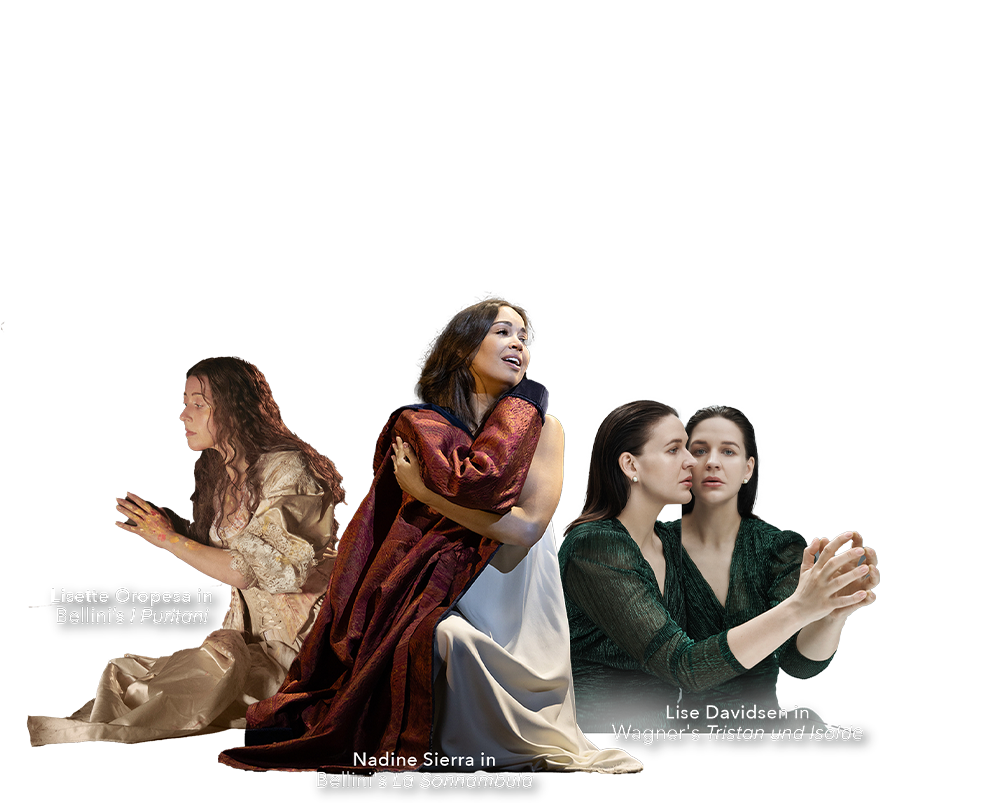
Lisette, Nadine, Lise on stage
and 5,000 people backstage…


Behind the curtain:
Where the magic begins
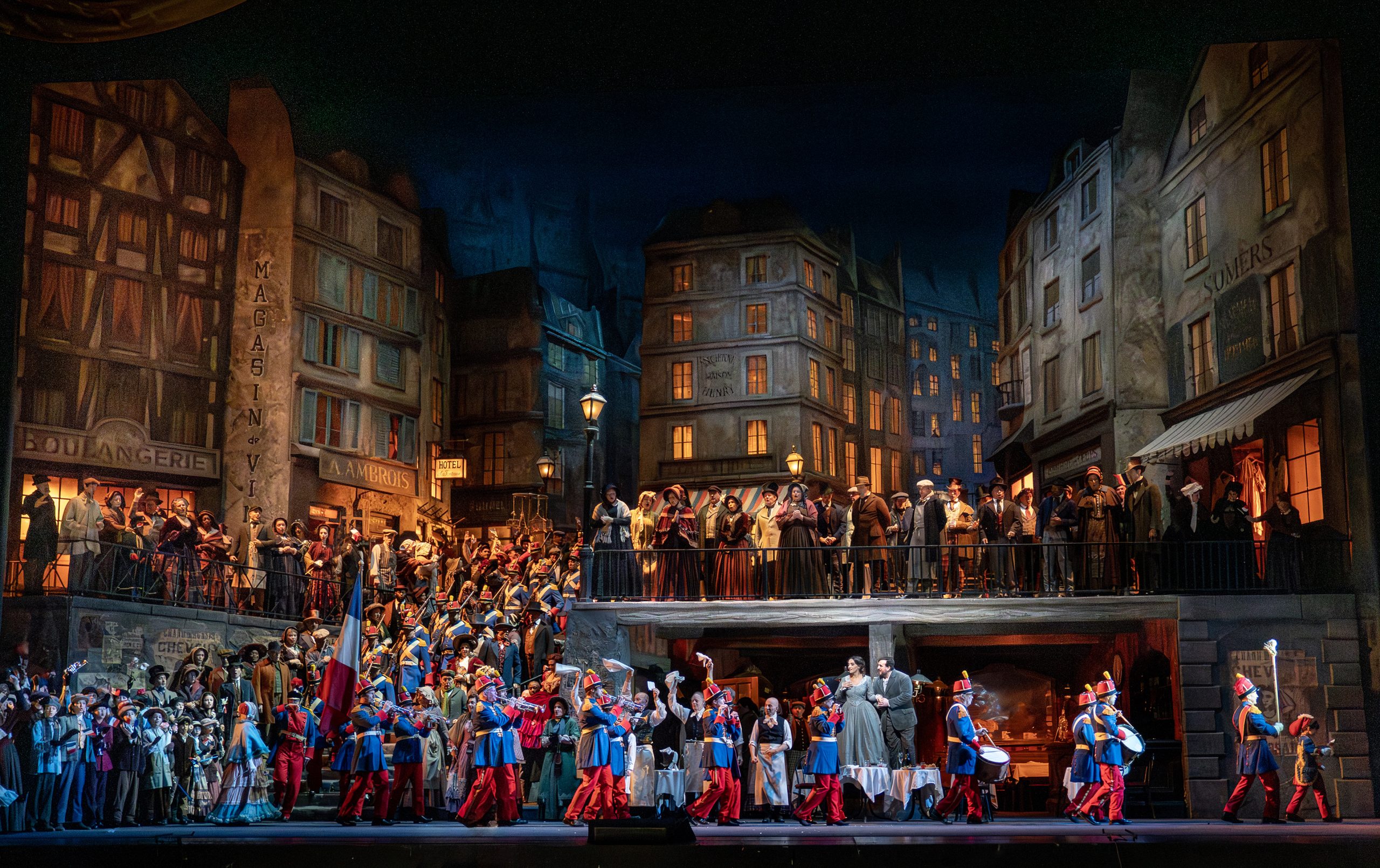
Why it takes 5,000 people to put on one three- or four-hour show at the Metropolitan Opera
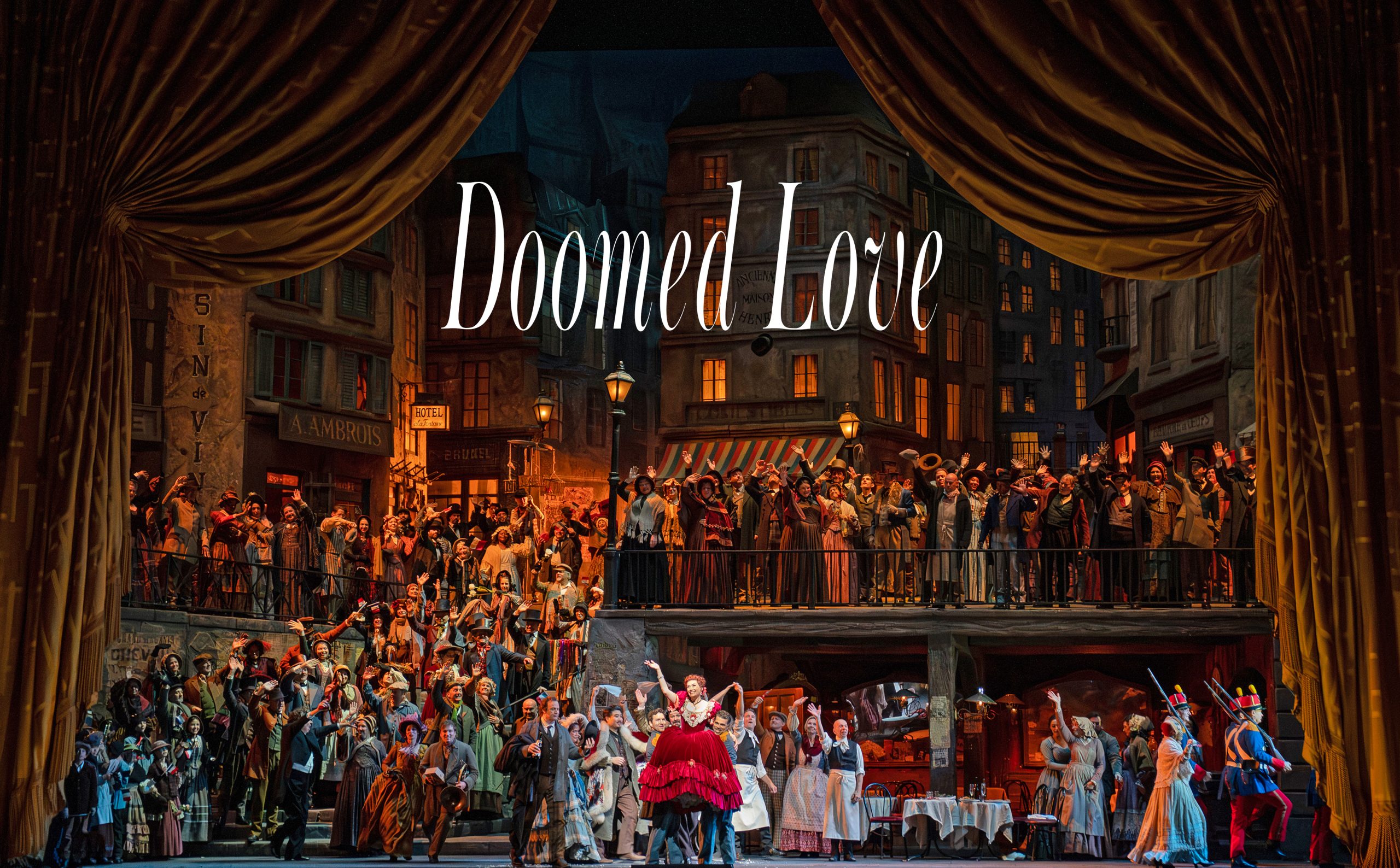
At the right is one of the most famous productions that those 5,000 people are working on, Franco Zefferelli’s La Bohème. It’s perhaps the best example of why people love the Metropolitan Opera. La Bohème is the most often produced opera at the Met. In fact, it’s in almost every season and appears on stage twice as much as any other title in the Met repertoire.
The staging is picture perfect and transports you to 19th century Paris. It’s old school theatrical realism on a grand scale. In fact, the set itself gets applause. It’s so popular that often when the curtain goes up at the start of Act 2 revealing what you see on the right, the audience erupts in a roar of “acclaim, amazement, and even disbelief,” according to one audience member, for sometimes a full minute. Click the above photo to see it in action.
In La Bohème, you’ll see 238 performers populate the Paris street world (principal artists, chorus, actors, children’s choristers, marching band musicians), plus a horse and a donkey. The show is supported by 145 backstage technicians overseeing sets, lights, costumes, machinery, and nearly 575 props. Since the premiere, the Café Momus section of the set, where Rudolfo and Mimi have their fi rst date on Christmas Eve, has travelled 25 kilometres rolling on and off stage from the wings. (Yes—kilometres.)
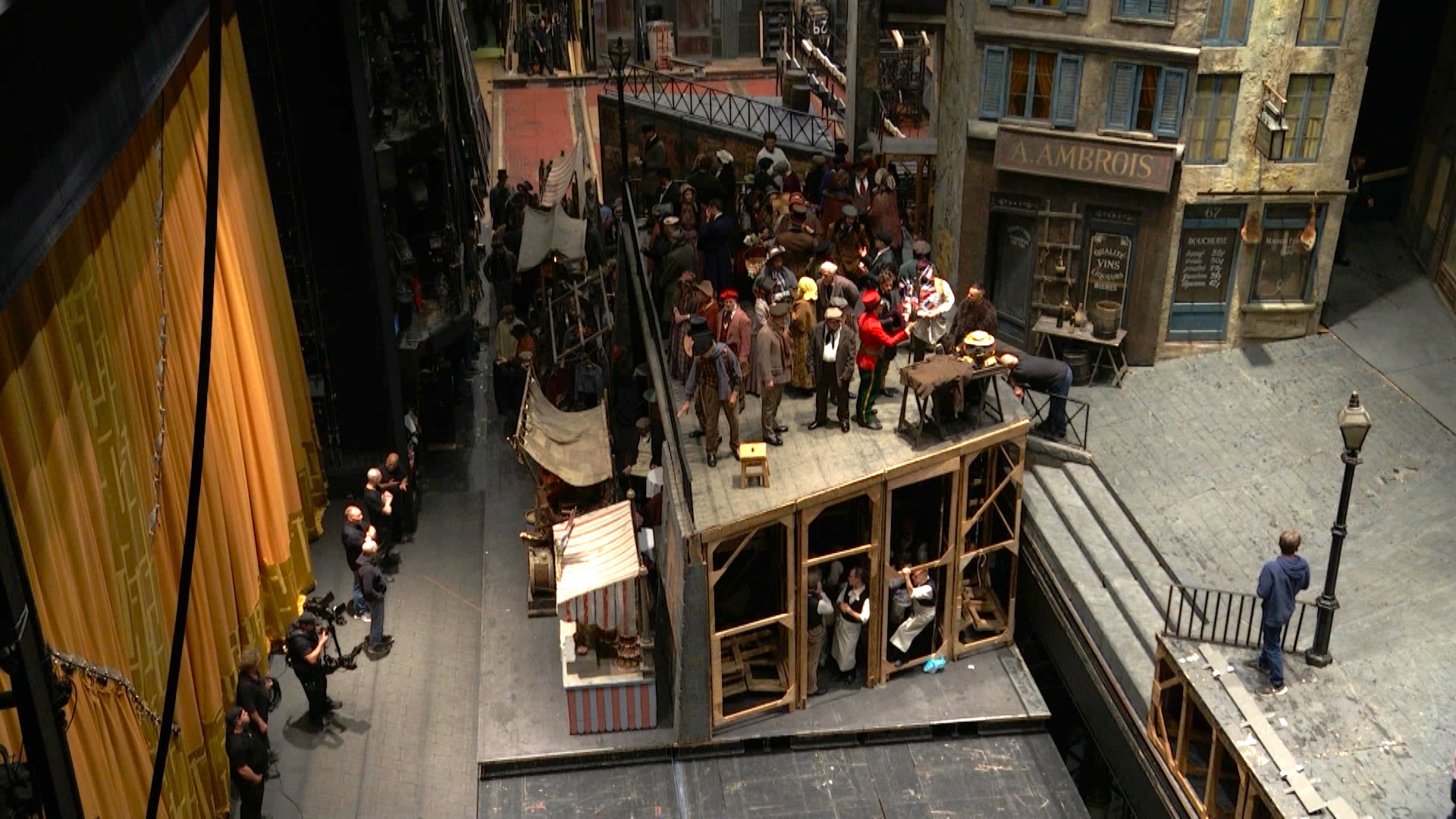
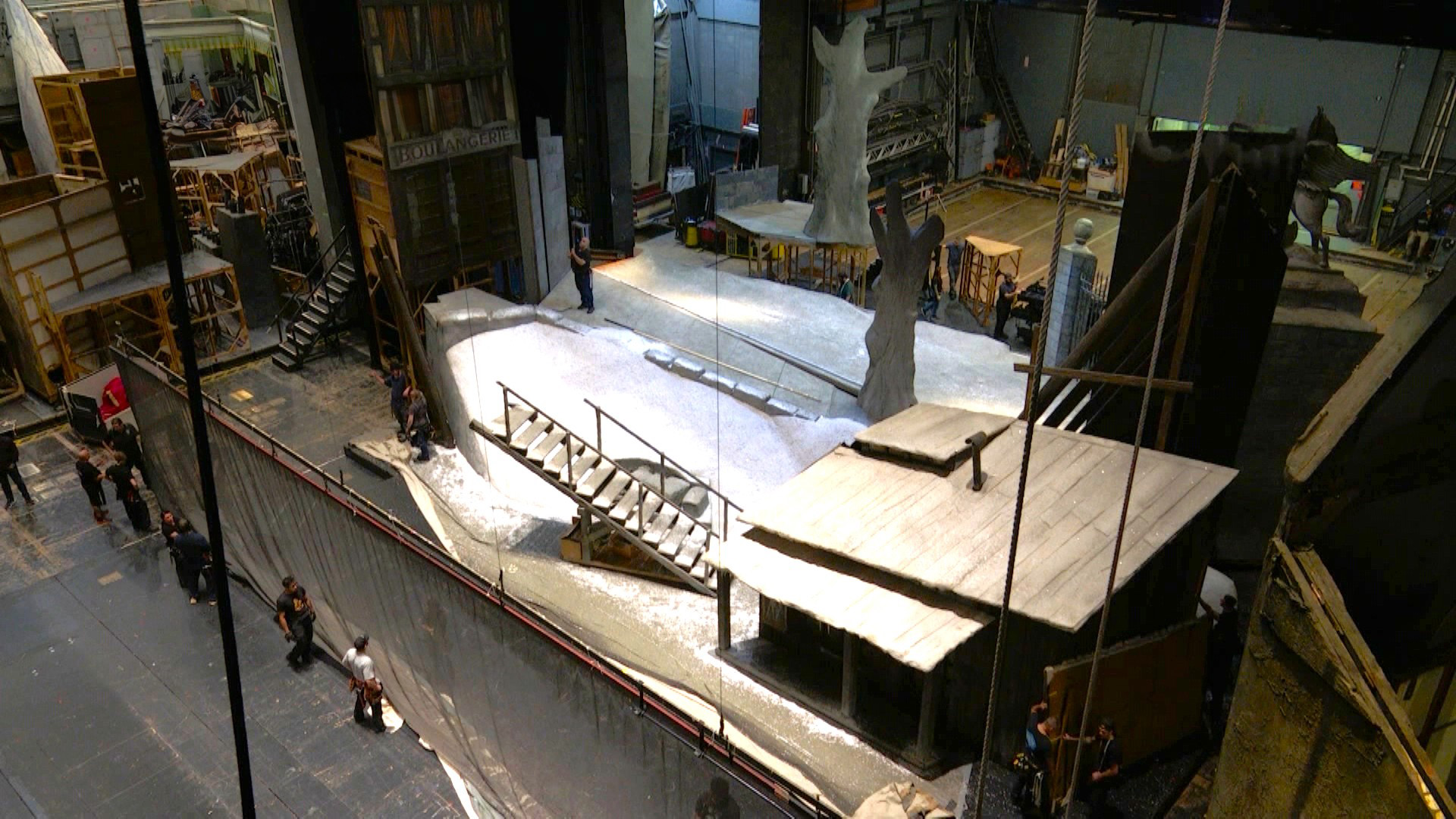
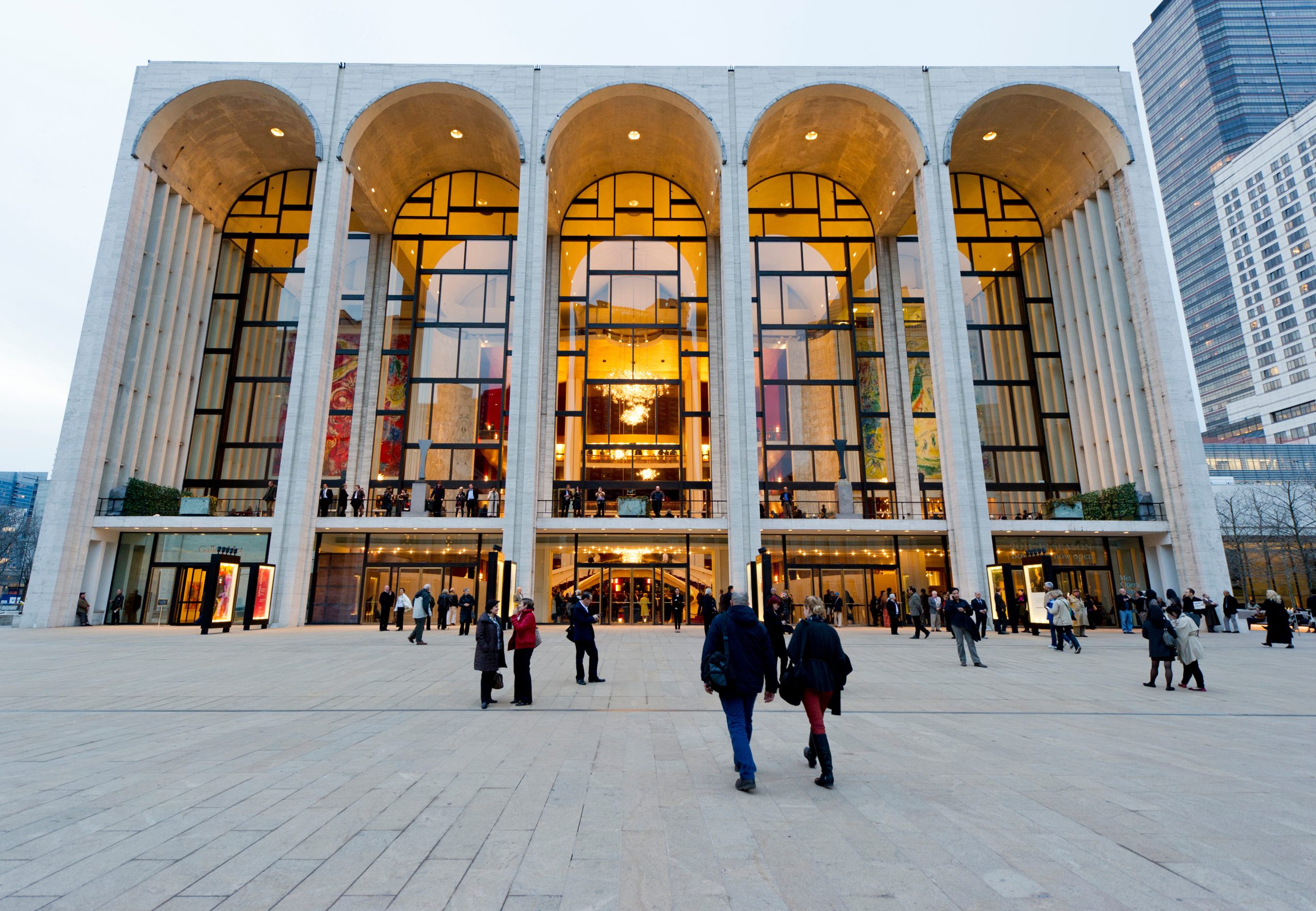
Audience members arrive at the Lincoln Center plaza in New York (above) for the Saturday 1.15 p. m. performance of Met: Live in HD. Saturday afternoons are the times when the shows for cinema distribution are shot and are the most sought-after by the performers. Singers clamour to appear on these dates because the audience for just one of these performances will number in the hundreds of thousands of people viewing the show on 1,800 cinema screens in 70 countries, including Hong Kong.
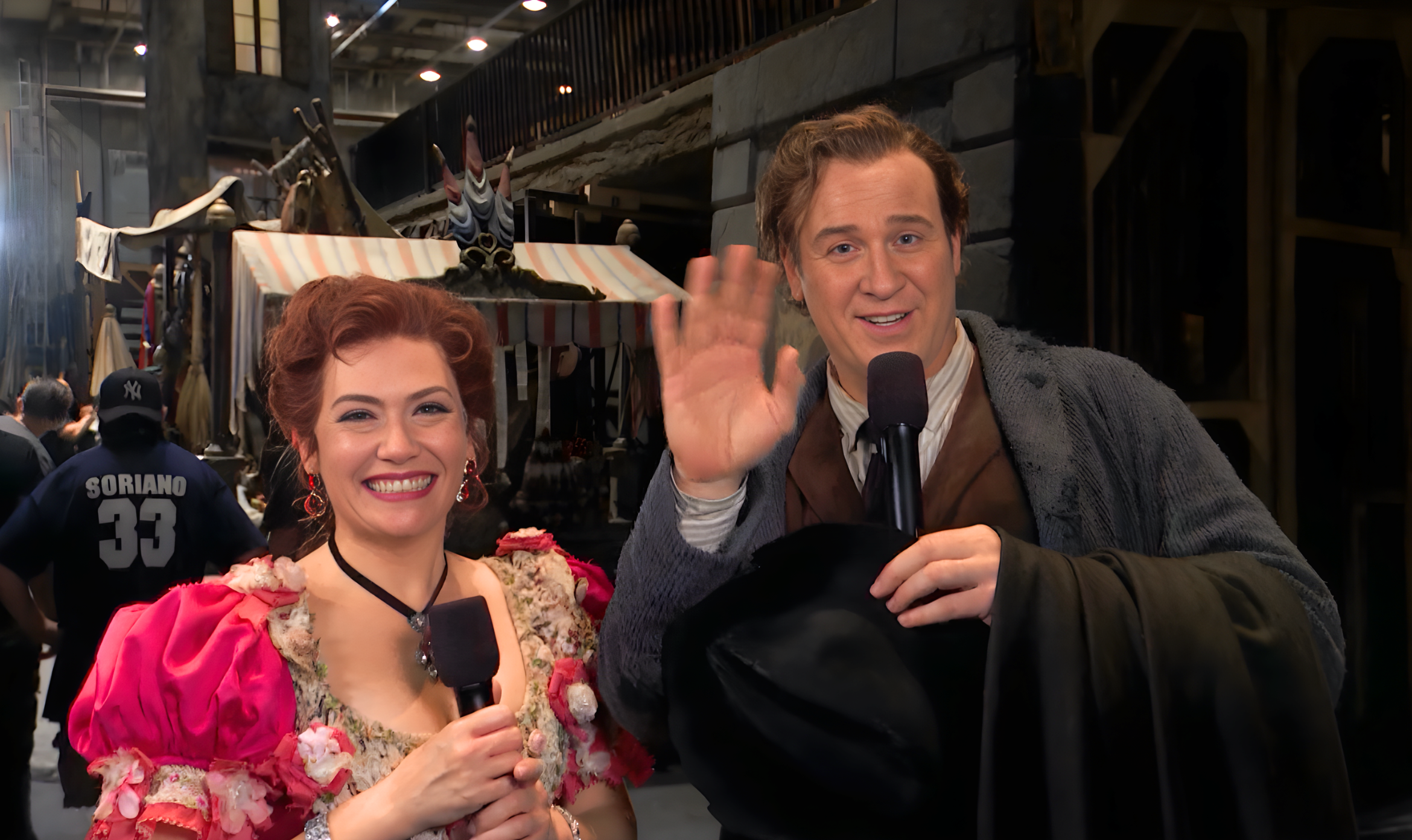
A tradition of the backstage interviews in between acts is for singers to wave and say hello to family members around the world.
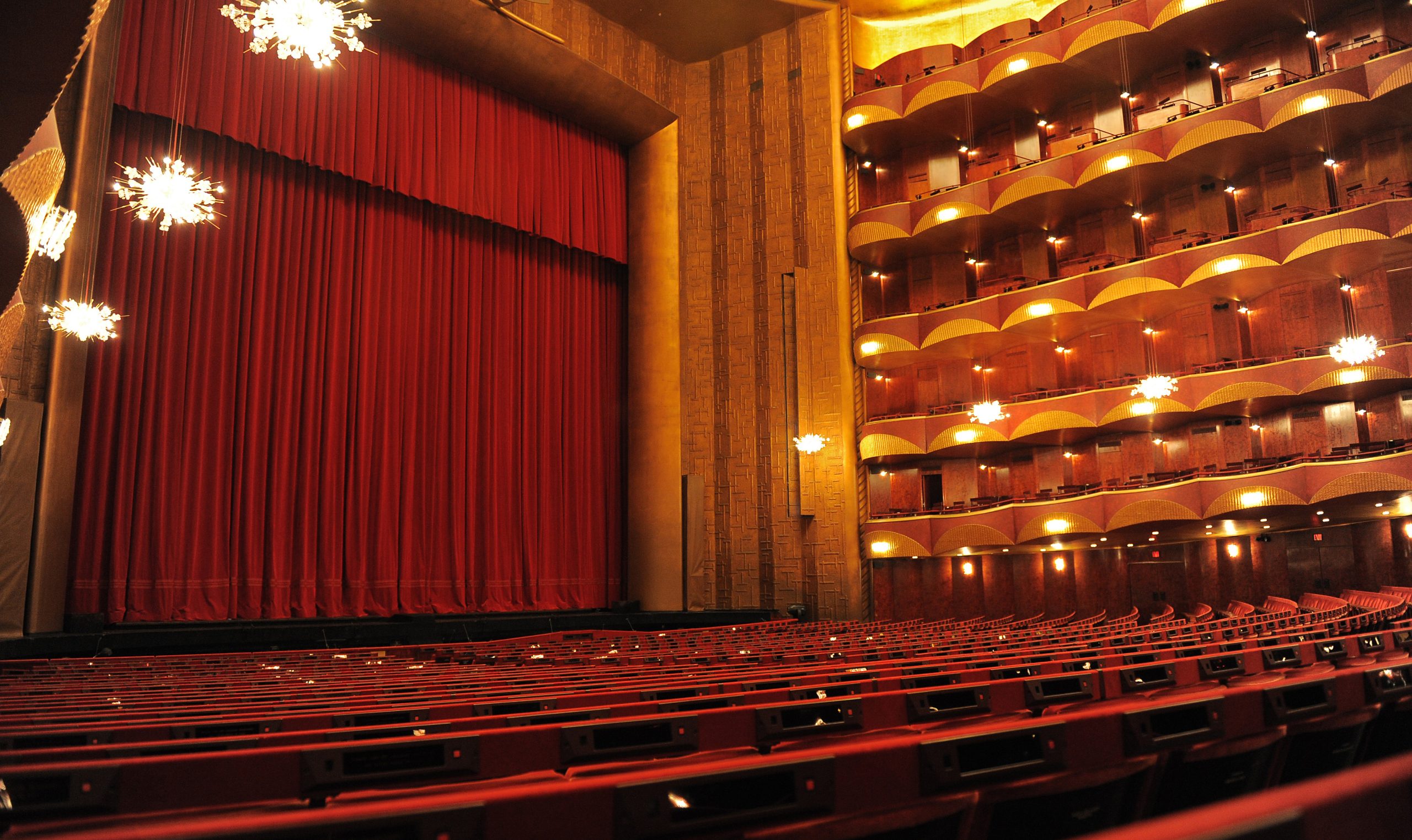
“It was my dream for 40 years to work here.”- Live in HD Director Gary Halvorson
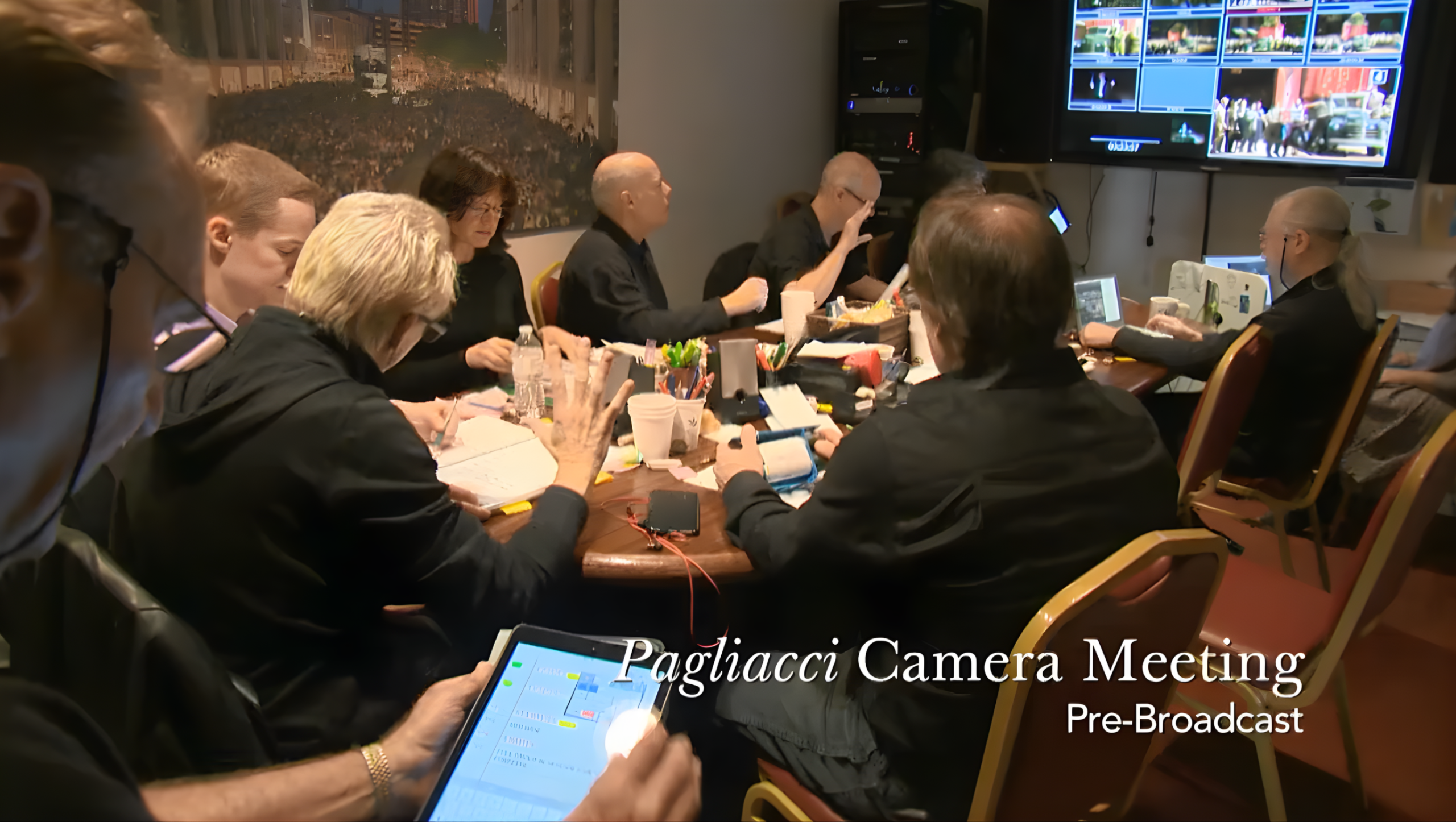
The Live in HD broadcast uses a separate audio capture and mixing workflow from the in house auditorium sound.
Preparation includes placement of multiple microphones to capture principal singers, chorus, orchestra and ambient hall acoustics. Testing audio mixing consoles to balance voices and orchestra specifically for cinema playback is crucial because cinema speakers and large auditoriums behave very differently from the opera house itself. This cinema-tuned alchemy ensures every Hong Kong viewer hears Mimì’s fragile whisper pierce Puccini’s swelling strings or Verdi’s chorus thunder like a revolution—delivering the Met’s acoustic majesty to local screens without losing a single emotional shiver.
A Live in HD broadcast requires 50+ video professionals on site for each transmission. Crew members are drawn from top level television and film production, many with backgrounds in
major live events and scripted TV. This elite crew captures unscripted opera drama with Hollywood precision, turning backstage frenzy into seamless cinematic magic that grips first-time viewers worldwide.
The HD director oversees the entire broadcast in real time. He chooses which camera feed goes to cinemas at every moment and coordinates visual storytelling with the musical structure.
The Met’s longtime HD director is Gary Halvorson, an Emmy winning television director with extensive experience in major broadcast events and scripted television. Forty years of TV triumphs led Halvorson to his operatic holy grail, now beaming Met legends to 1,800 global cinemas—proving one fan’s obsession crafts transcendent art for millions. The story about his dream of 40 years to work at the Met is told in the above QR code.
What All of Those People Are Doing Who Put Live in HD onto Cinema Screens
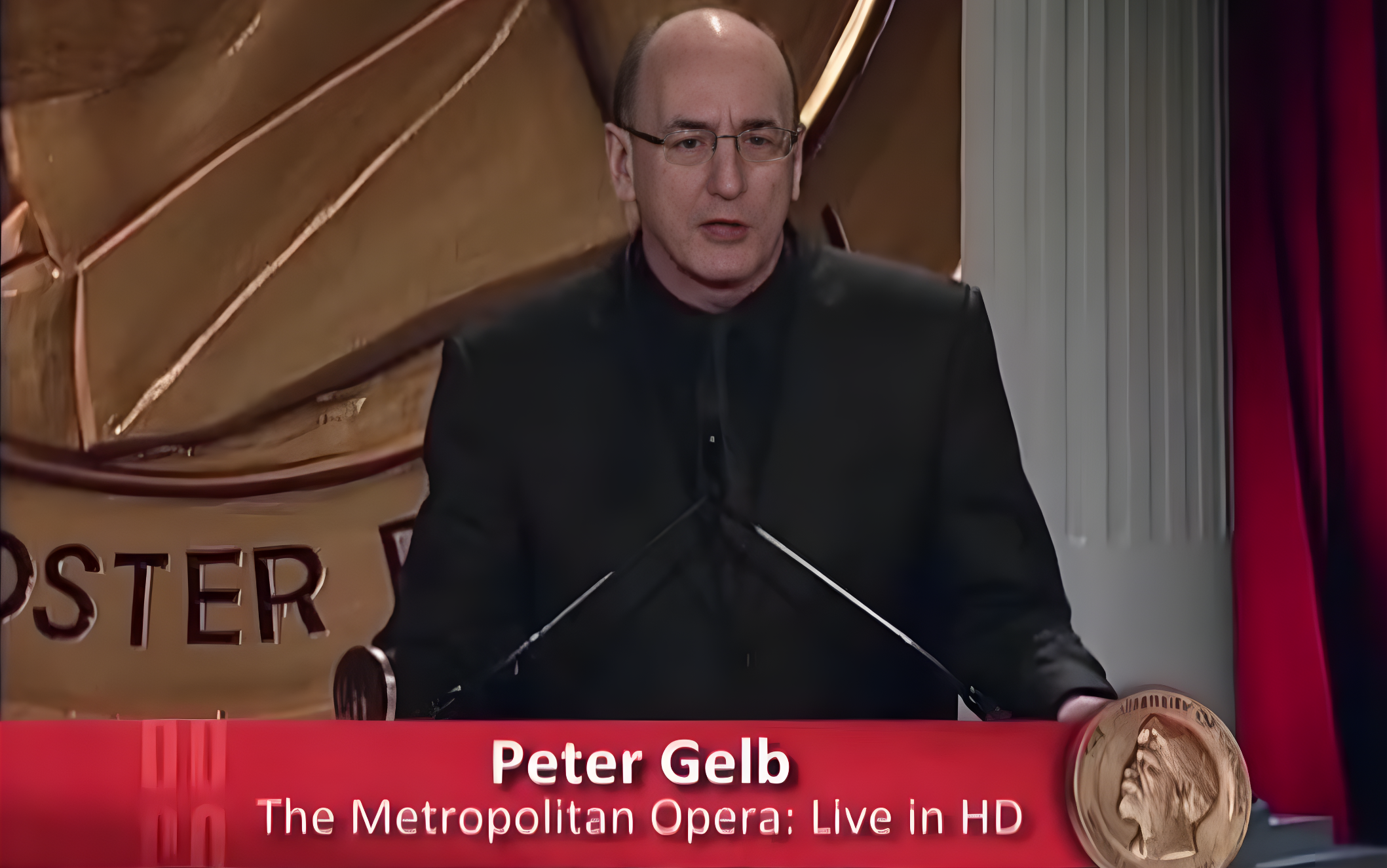
Every broadcast is directed live, like a major television event, captured using multiple high definition cameras positioned throughout the opera house and sent by satellite uplink to cinemas on multiple continents simultaneously. Before the broadcast day, the HD production team plans camera positions throughout the auditorium and stage areas using up to roughly a dozen HD cameras.
This large number of camera angles makes possible medium “proscenium” perspectives, close ups of singers and the conducting podium plus scene changes and backstage areas.
In advance of the Live in HD date, cameras are used during rehearsals, early-stage rehearsals and occasionally rehearsals of other operas during intermissions (used as intermission features).
This allows the HD director and camera operators to learn blocking, timing, and musical cues plus camera moves to be coordinated with lighting, staging, and conductor tempos.
How the Met Prepares When Turning Live Theatre into Gripping Cinema Entertainment
Typically around 10 to 12 camera operators work for each broadcast. They operate fixed cameras, hand operated cameras and jib cameras (long articulated arms for sweeping motion.) Operators must follow the score and staging closely, anticipate entrances, emotional moments, and conductor cues and maintain physically demanding positions throughout the whole performance (often 4 hours or more).
Meanwhile, a team of audio engineers mix live vocal and orchestral sound specifically for cinema, balance clarity of text with orchestral power and adjust the sound dynamically during the performance as singers move and ensembles change. The broadcast and transmission team, manage the live satellite uplink and monitor signal integrity to global cinema partners and coordinate timing across time zones for live and delayed screenings. This nerve-centre squad battles satellite glitches and time-zone chaos to beam flawless HD feeds to 1,800 screens across 70 countries—delivering Rodolfo’s kiss or Carmen’s dagger flash to Hong Kong precisely when emotions peak.
The intermission production team conducts live interviews with singers, conductors, or production staff, captures backstage activity, including scene changes and costume changes, and rehearsals in progress. Intermission’s whirlwind reveal—sweaty divas spilling secrets, sets morphing mid-air, quick-change corsets flying—pulls back the velvet curtain, hooking newcomers with opera’s frenetic humanity between the arias.
What Happens During the Performance?
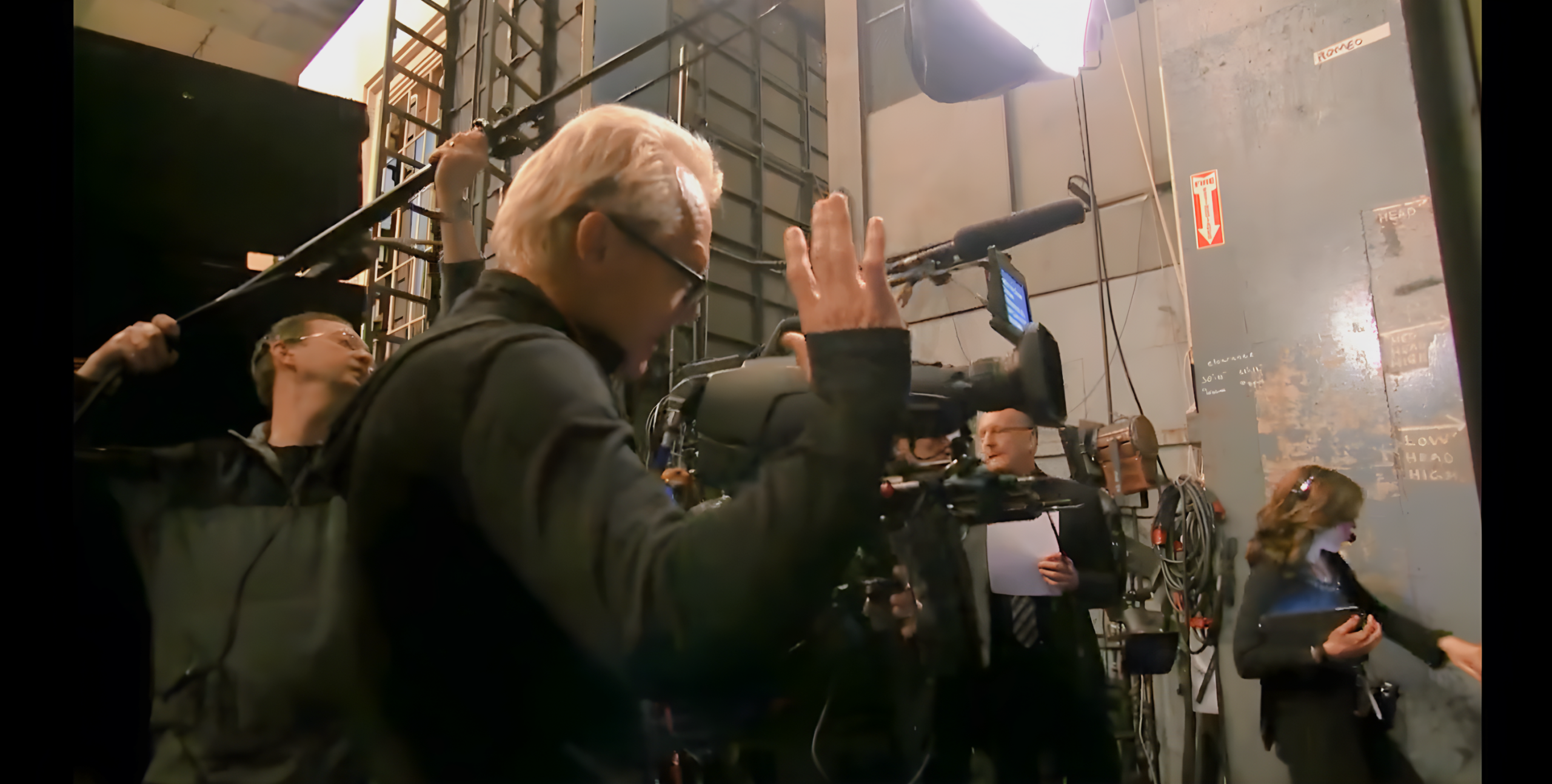
Live direction (there’s no post performance editing)
The feature shown in cinemas is cut live, in real time. The director selects shots moment by moment as the opera unfolds. This means musical knowledge is essential — camera cuts are aligned with phrasing, cadences, and dramatic beats. Mistakes cannot be “fixed later” for the live transmission.
Why Live in HD Is Not “Filmed Opera”
Live in HD is one of the most demanding forms of television production. It combines: live music, theatre, cinema and sports style live direction.
Camera operators and directors repeatedly emphasize that opera’s length, lack of retakes, and musical precision make it harder than most live television formats.
Camera Storytelling Reveals the Stage Reality
The HD version is not simply a wide shot of the stage. It uses close ups to reveal facial expression and acting detail invisible in the house, reframes massive stage pictures into cinematic compositions and allows viewers to see conductors, orchestral detail, and backstage mechanics. What cinema audiences see is the live directed program output, which includes the full opera, Intermission interviews conducted by big stars of the opera world, behind the scenes footage and on screen titles and translations.
This cinematic lens pulls Hong Kong viewers into tear-streaked arias and baton flashes otherwise lost in auditorium distance, turning opera’s vast stage into personal, binge-worthy drama.
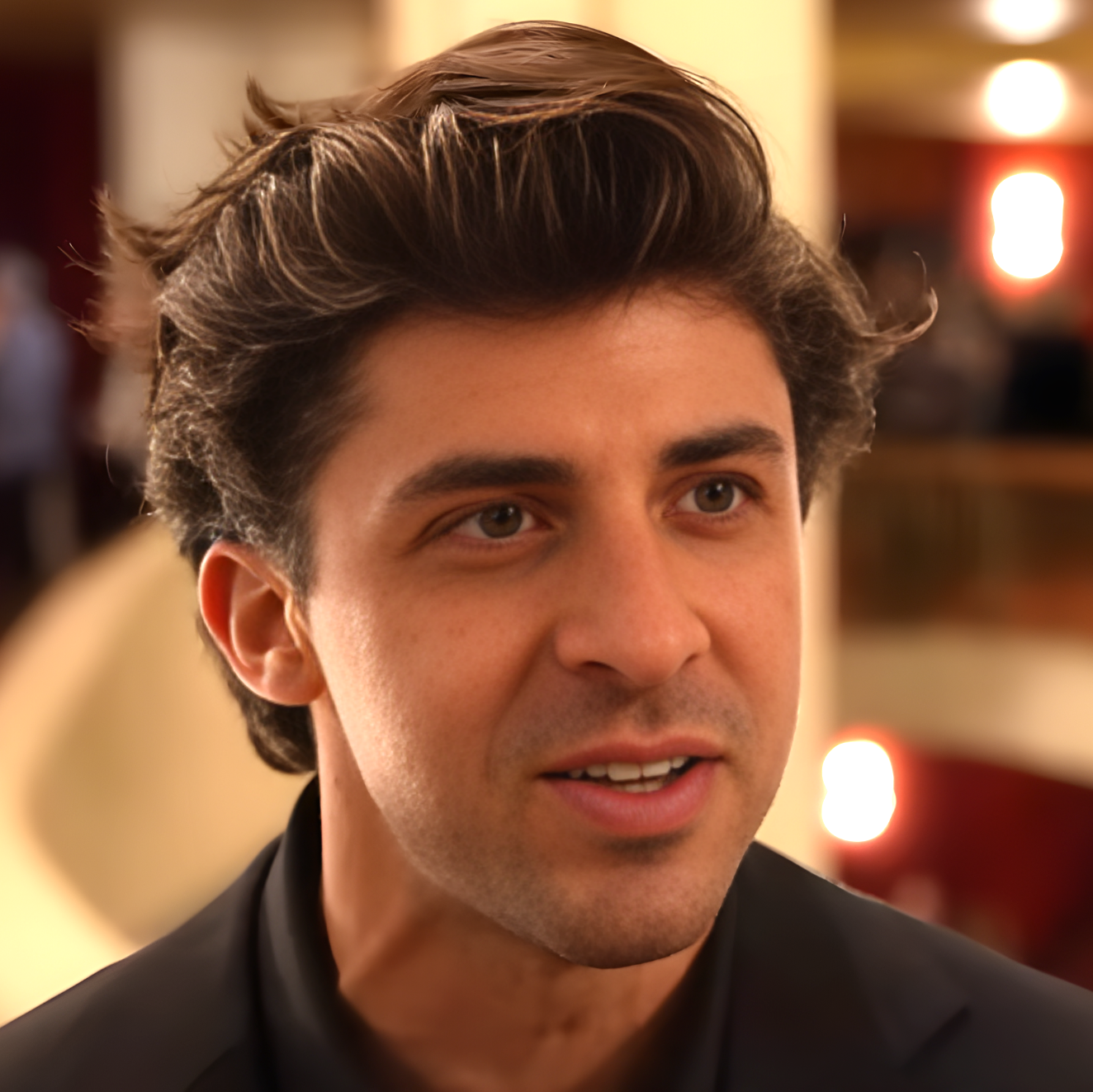
“You can’t really describe an opera. you just have to go.”
“You have to be here to experience it!”
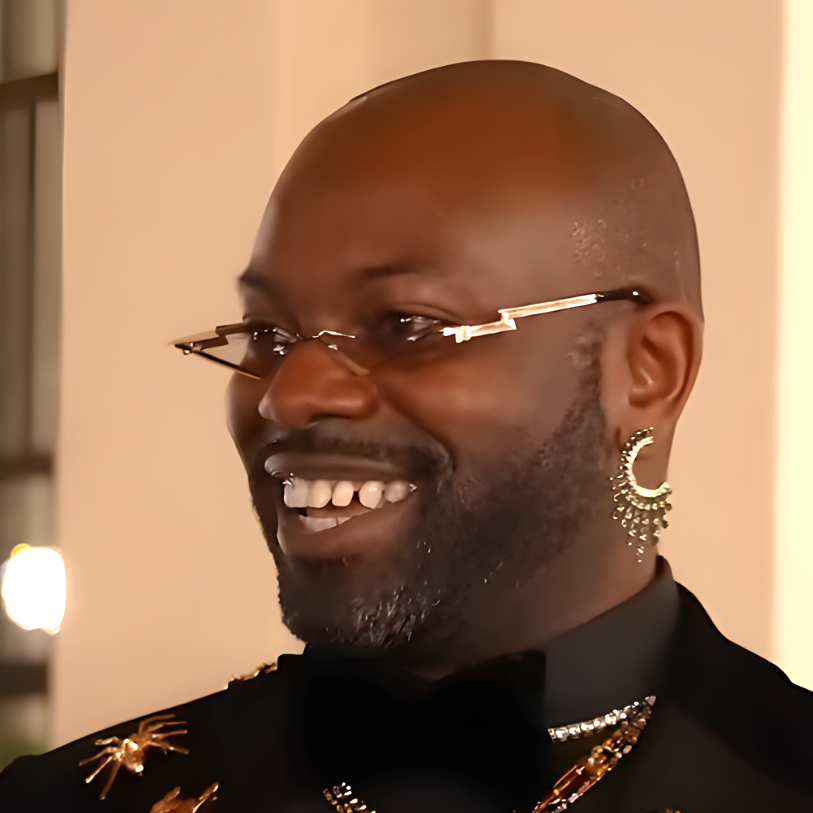
The best opera orchestra and chorus. The biggest singing stars, breathtaking costumes and sets. It all leaves many in the audience simply speechless. People leave a show at the Met and are completely at a loss for words.
Hear what they say about the things they are unable to describe… click the photo at right.
It’s like stepping into a dream. As members of the Met audience say: “You can’t really describe an opera, you just have to go…” and “… It’s pretty incredible.”
Expect heart-pounding artistry, a thrilling blend of new and old, and unwavering commitment to excellence. Thrilled newcomers call it “amazing” and “outstanding.” Let the Met captivate you!
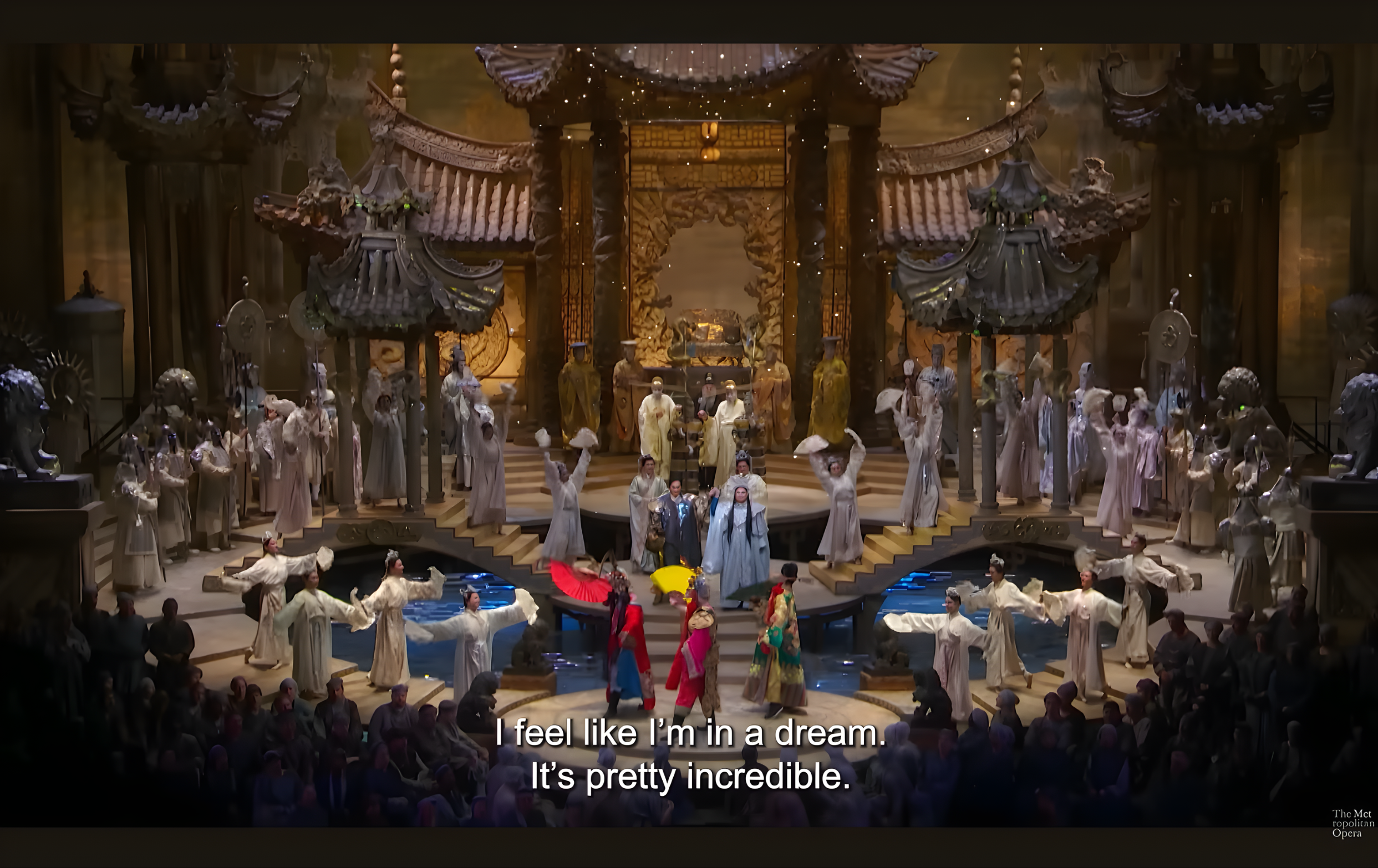
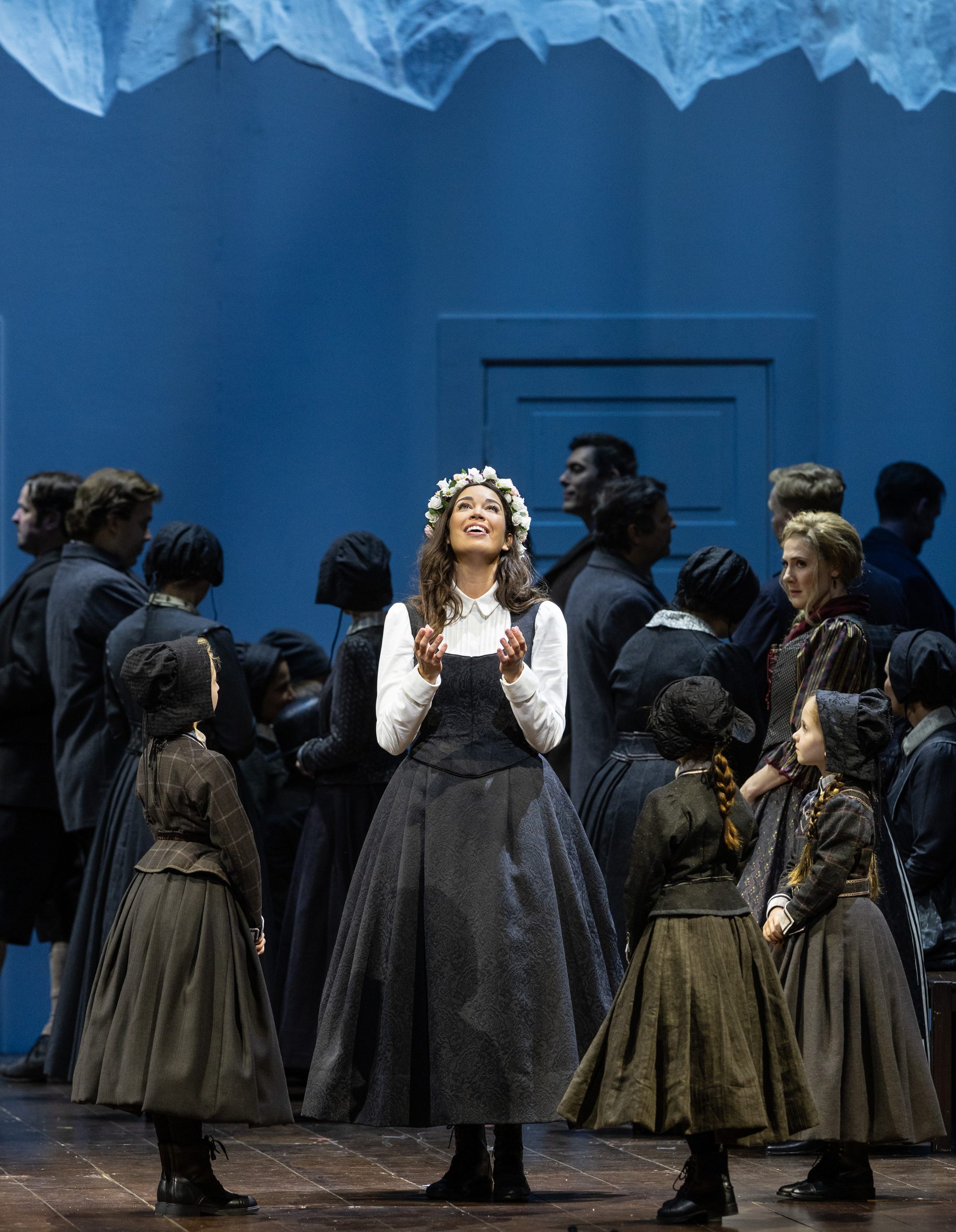
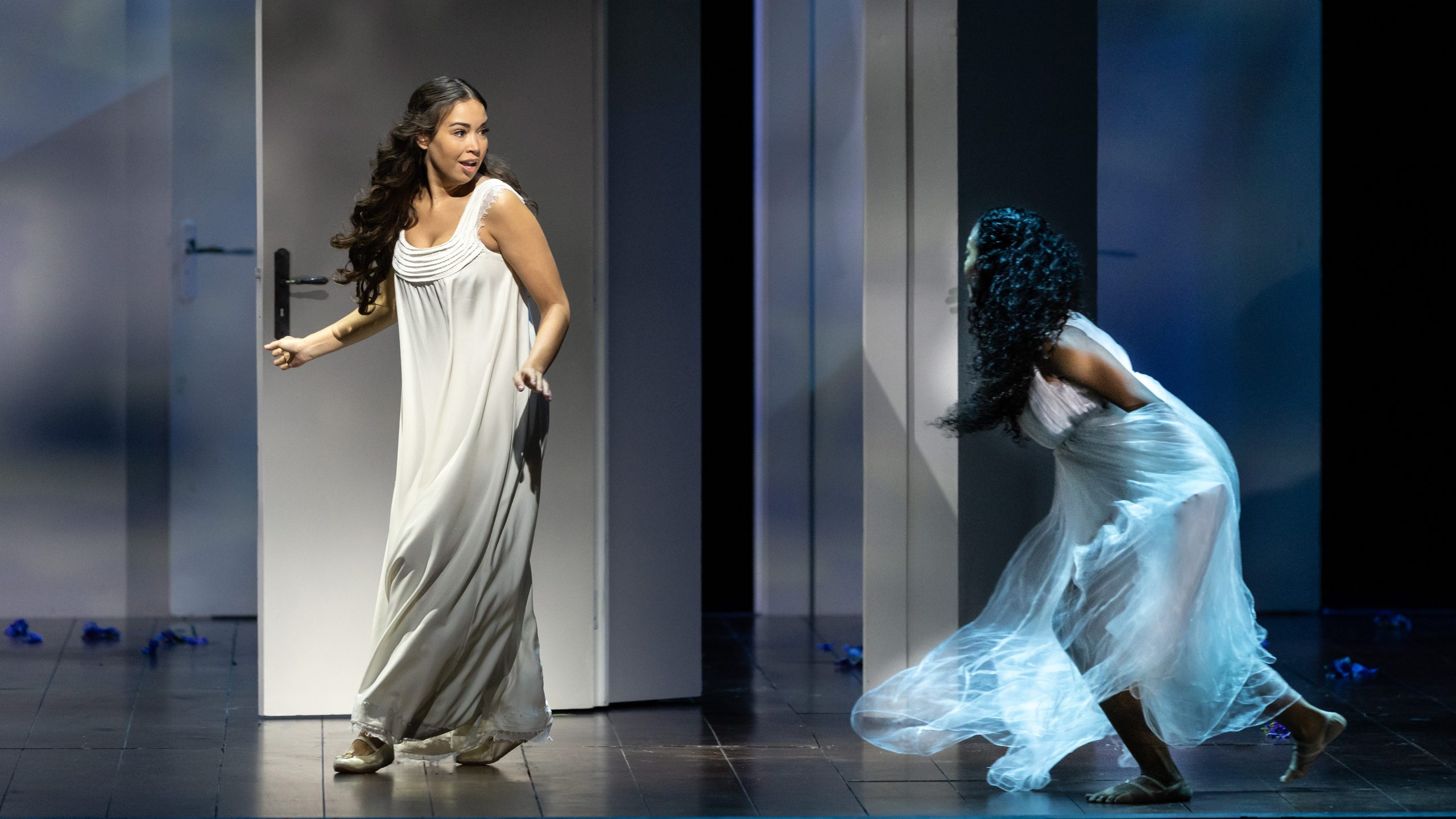
La Sonnambula enchants with bel canto magic: “Nadine Sierra, with her beautiful lyric soprano, splendid coloratura technique and excellent acting, created a highly affecting portrayal of Amina” (Bachtrack).
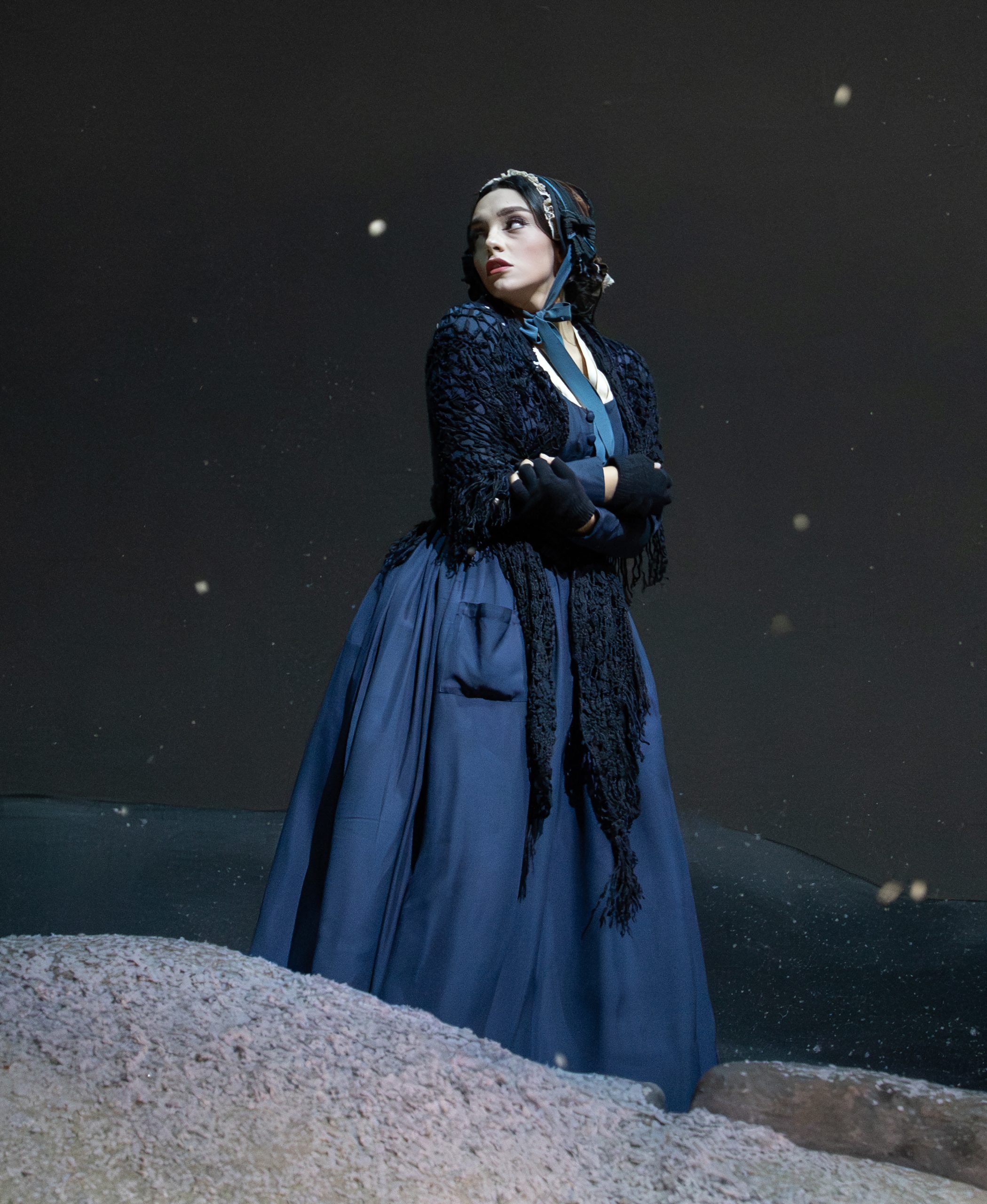
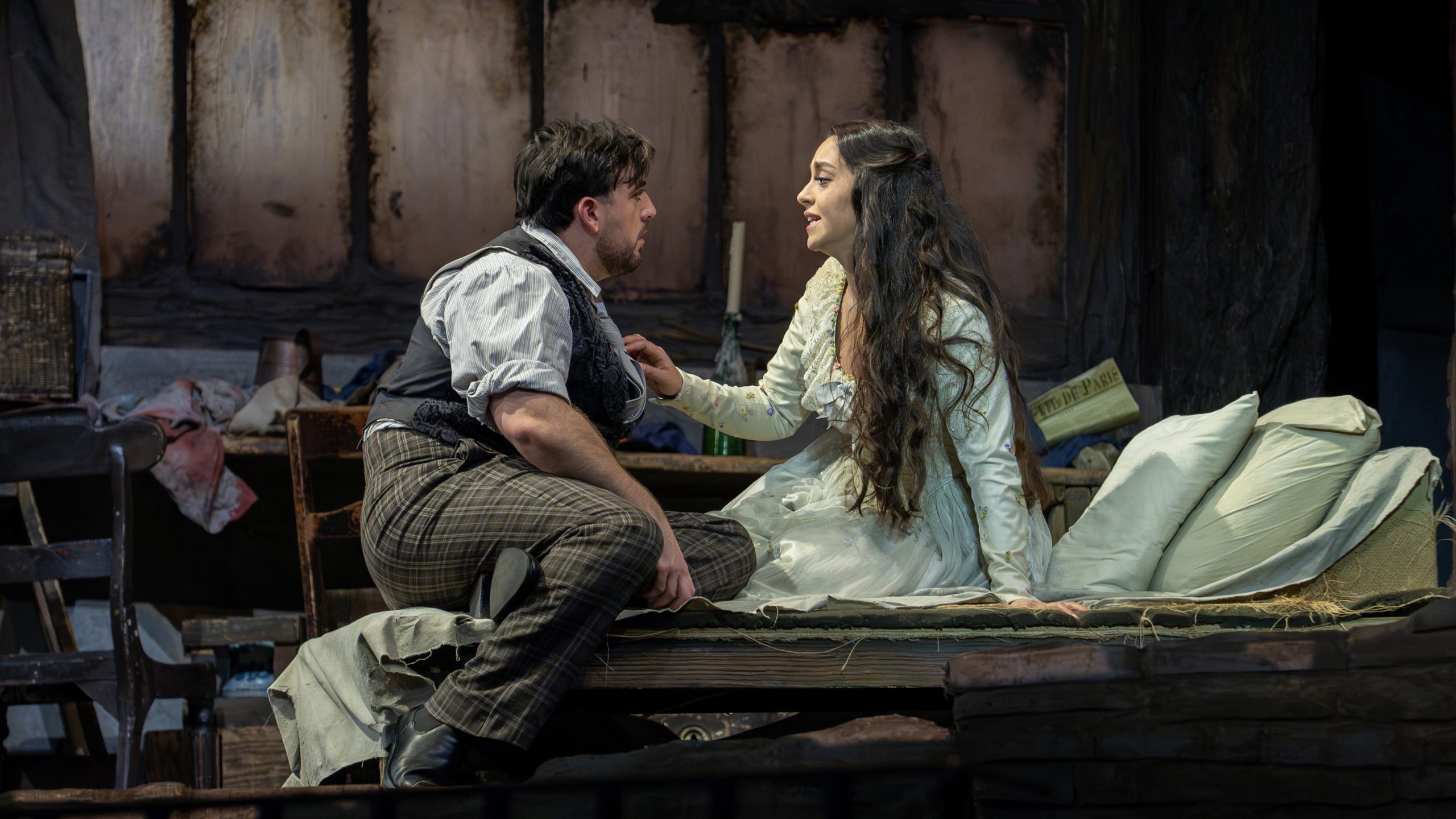
La Bohème tugs at the heart: “Grigoryan has a fascinating, richly textured, supple soprano that spins effortlessly through the house” (New York Classical Review).
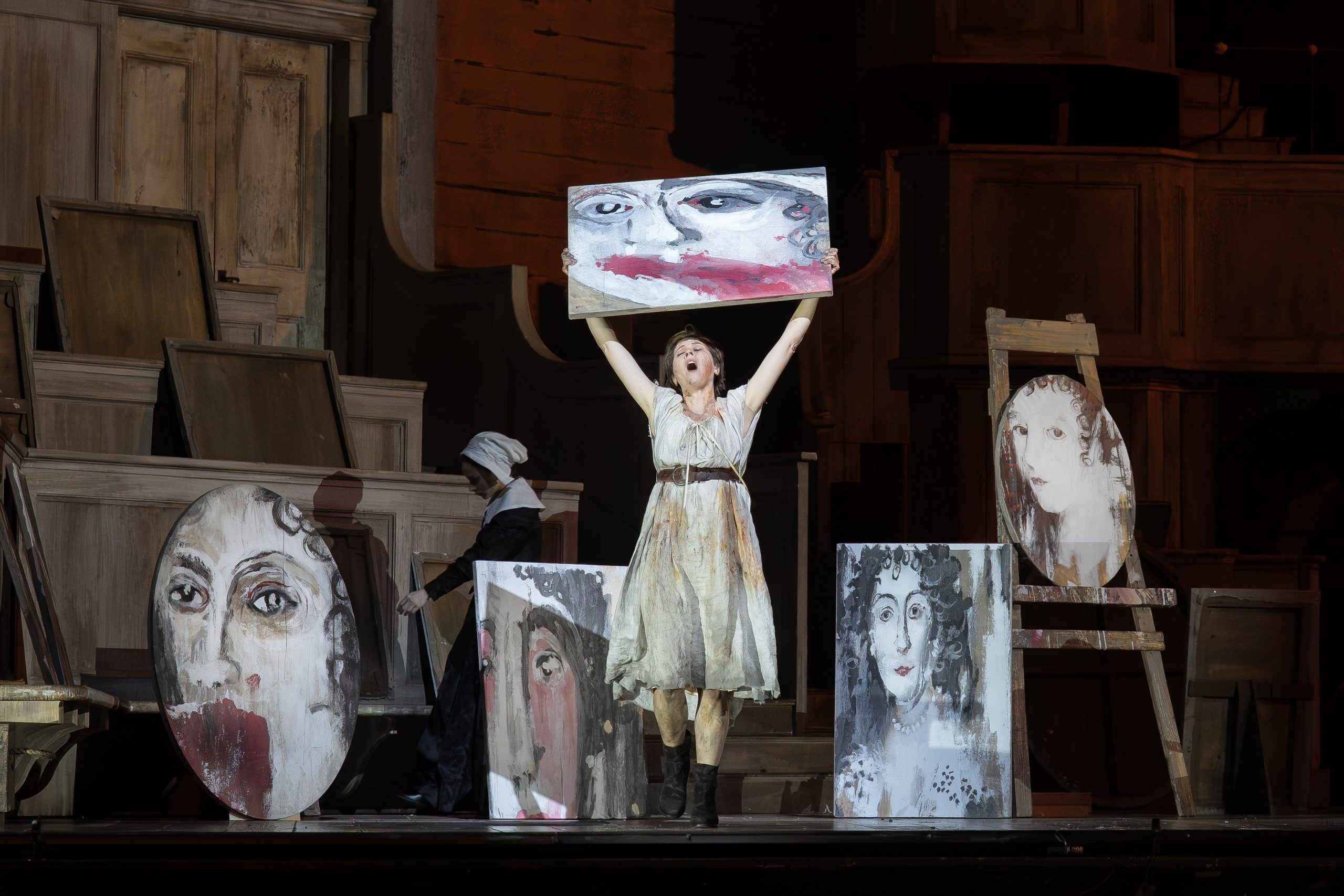
I Puritani dazzles with high notes and passion: “Lisette Oropesa… delivered one impressive vocal run after another with precision” (OperaWire).
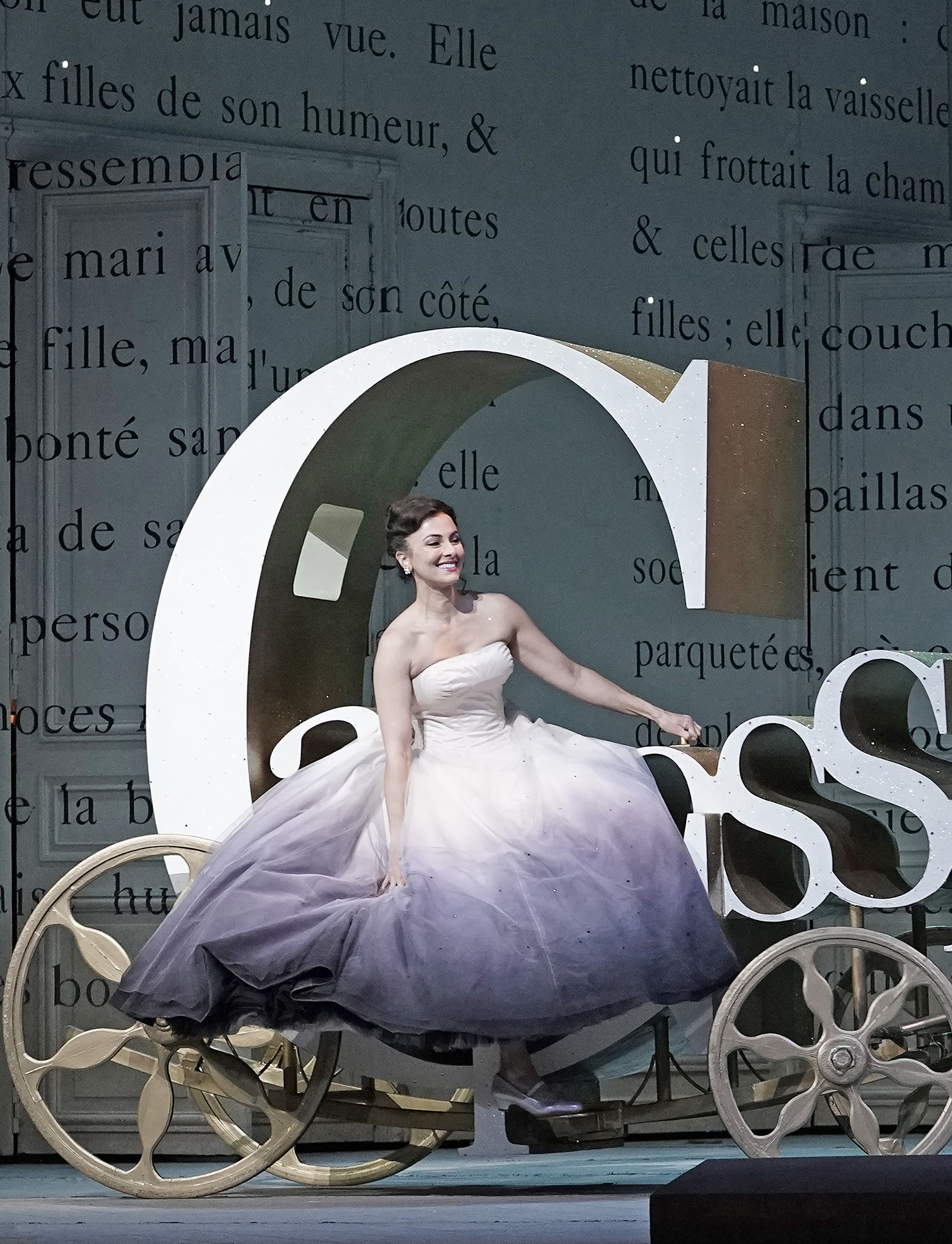
Cinderella weaves pure magic: “Isabel Leonard’s fetching looks and radiant, legato singing as Cinderella went a long way toward winning the audience over” (New York Classical Review).

Met Opera and HKCMS in Hong Kong – The Year Ahead
Hong Kong Chamber Music Society (HKCMS) presentations shown in gold
January
Jan
25
La Sonnambula
⏲ 3:30 p.m. 📍MOViE MOViE Pacific Place
February
Feb
01
La Bohème
⏲ 3:00 p.m. 📍Emperor Cinemas (Entertainment Building)
Feb
28
La Sonnambula
⏲ 5:00 p.m. 📍Ladies’ Recreation Club (LRC)
March
Mar
08
La Sonnambula
⏲ 3:30 p.m. 📍MCL Cinemas (K11 Art House)
Mar
14
La Bohème
⏲ 3:30 p.m. 📍MOViE MOViE Pacific Place
Mar
15
La Sonnambula
⏲ 3:10 p.m. 📍Emperor Cinemas (Entertainment Building)
Mar
21
La Sonnambula
⏲ 3:30 p.m. 📍Premiere Elements
Mar
22
La Bohème
⏲ 3:15 p.m. 📍MCL Cinemas (K11 Art House)
Mar
28
La Bohème
⏲ 4:30 p.m. 📍Ladies’ Recreation Club (LRC)
Mar
29
La Bohème
⏲ 3:30 p.m. 📍Premiere Elements
April
Apr
12
Arabella
⏲ 2:30 p.m. 📍MOViE MOViE Pacific Place
Apr
19
Arabella
⏲ 2:15 p.m. 📍Emperor Cinemas (Entertainment Building)
Apr
25
Carmen
⏲ 3:20 p.m. 📍MCL Cinemas (K11 Art House)
Apr
26
Arabella
⏲ 2:30 p.m. 📍Premiere Elements
May
May
02
I Puritani
⏲ 3:15 p.m. 📍MOViE MOViE Pacific Place
May
17
I Puritani
⏲ 3:15 p.m. 📍Premiere Elements
May
24
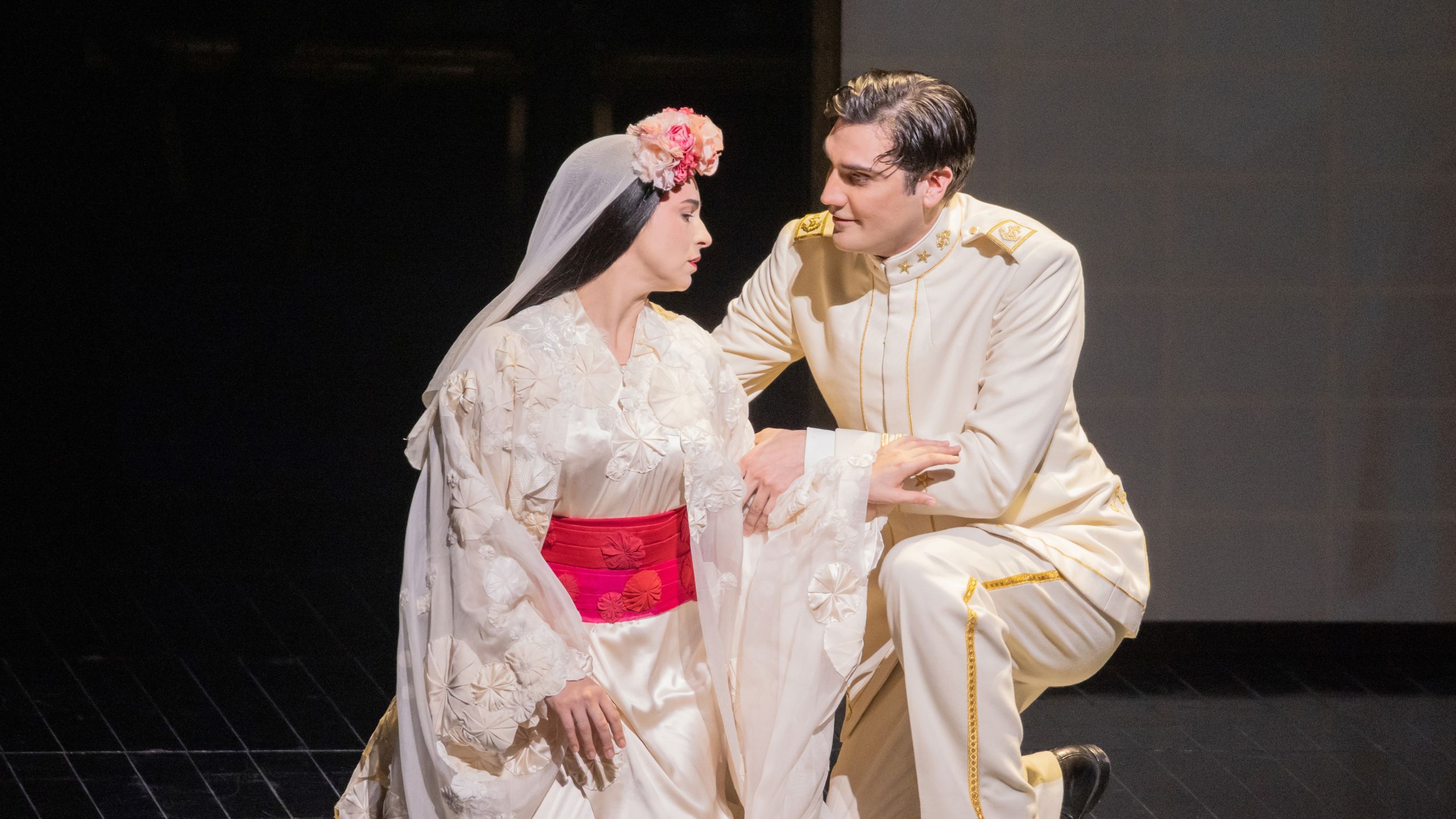
Madama Butterfly
⏲ 3:45 p.m. 📍MCL Cinemas (K11 Art House)
May
31
Andrea Chénier
⏲ 3:20 p.m. 📍MOViE MOViE Pacific Place
June
Jun
06
I Puritani
⏲ 3:00 p.m. 📍Emperor Cinemas (Entertainment Building)
Jun
13
Andrea Chénier
⏲ 4:30 p.m. 📍Ladies’ Recreation Club (LRC)
Jun
14
Andrea Chénier
⏲ 3:20 p.m. 📍Premiere Elements
Jun
15
The Rising Star and Her Guiding Star^
⏲ 7:00 p.m. 📍Ladies’ Recreation Club (LRC)
August
Aug
01
⏲ 3:05 p.m. 📍Emperor Cinemas (Entertainment Building)
Aug
10
The “Beautiful Singing” that Changed the World^
⏲ 3:05 p.m. 📍Emperor Cinemas (Entertainment Building)
September
Sep
05
Tristan und Isolde
⏲ 3:40 p.m. 📍Emperor Cinemas (Entertainment Building)
Sep
06
Eugene Onegin
⏲ 1:45 p.m. 📍MOViE MOViE Pacific Place
Sep
08
A Vocal Celebration of Love and Longing^
⏲ 7:00 p.m. 📍Ladies’ Recreation Club (LRC)
Sep
12
I Puritani
⏲ 4:00 p.m. 📍Ladies’ Recreation Club (LRC)
Sep
19
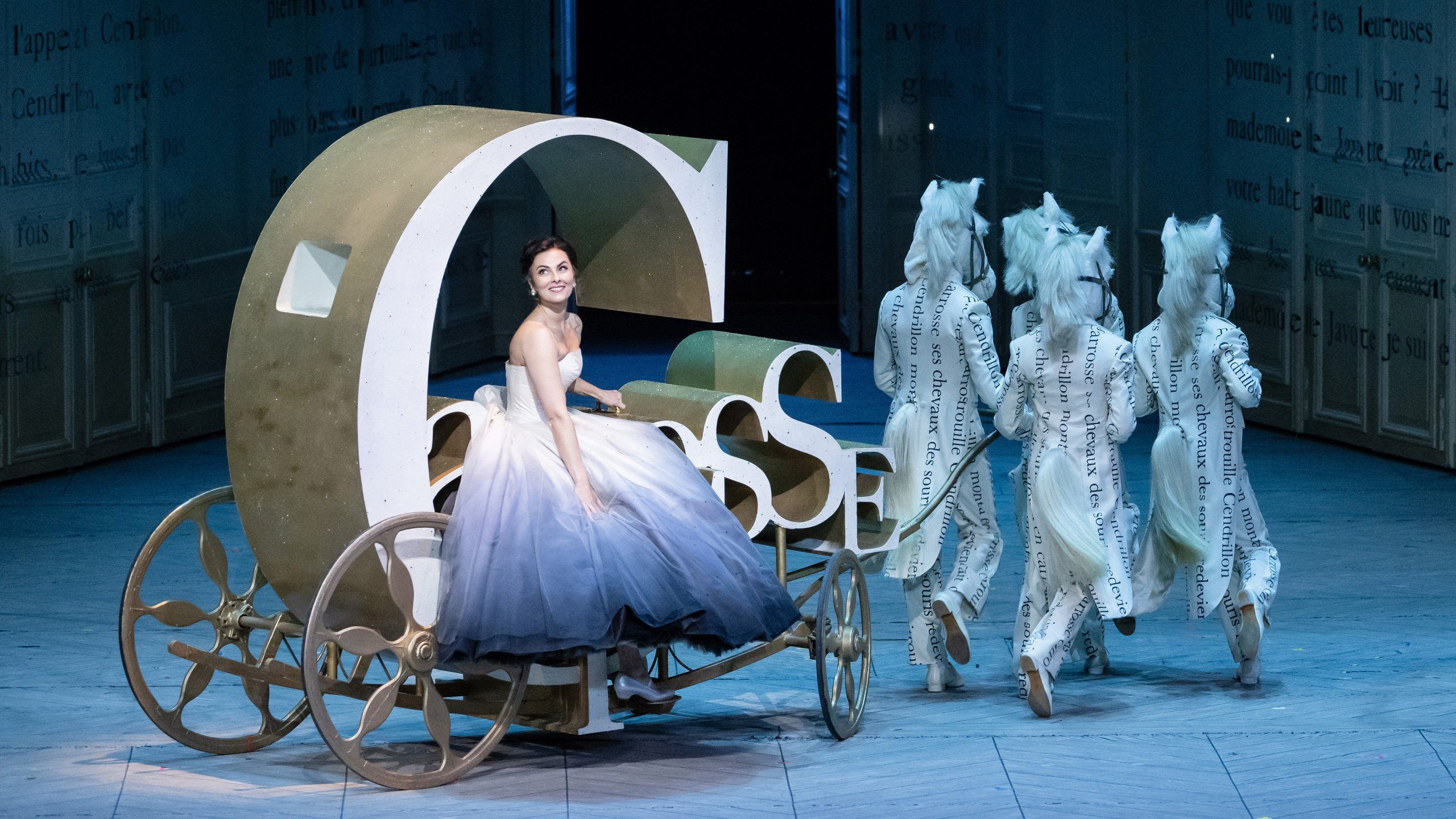
Cinderella
⏲ 3:00 p.m. 📍MCL Cinemas (K11 Art House)
Sep
27
Eugene Onegin
⏲ 1:45 p.m. 📍Premiere Elements
Sep
28
The Fabulous Five: Love’s Joy and Heartache^
⏲ 7:00 p.m. 📍Ladies’ Recreation Club (LRC)
October
Oct
11
El Último Sueño de Frida y Diego
⏲ 4:00 p.m. 📍Premiere Elements
Oct
18
Eugene Onegin
⏲ 2:40 p.m. 📍MCL Cinemas (K11 Art House)
Oct
24
Eugene Onegin
⏲ 2:20 p.m. 📍Emperor Cinemas (Entertainment Building)
Oct
25
Tristan und Isolde
⏲ 1:20 p.m. 📍MOViE MOViE Pacific Place
Oct
31
Tristan und Isolde
⏲ 3:00 p.m. 📍Ladies’ Recreation Club (LRC)
November
Nov
15
Tristan und Isolde
⏲ 1:20 p.m. 📍Premiere Elements
Nov
21
The Magic Flute
⏲ 3:00 p.m. 📍MCL Cinemas (K11 Art House)
Nov
29
Eugene Onegin
⏲ 4:00 p.m. 📍Ladies’ Recreation Club (LRC)
December
Dec
05
El Último Sueño de Frida y Diego
⏲ 3:10 p.m. 📍Emperor Cinemas (Entertainment Building)
Dec
20
The Magic Flute
⏲ 5:30 p.m. 📍Ladies’ Recreation Club (LRC)
^ Special Live Performance
Fifteen Big Presentations For You – Both Live and In Cinemas
La Sonnambula
⏲ 25 Jan, 3:30 p.m.
📍MOViE MOViE Pacific Place
⏲ 28 Feb, 5:00 p.m.
📍Ladies’ Recreation Club (LRC)
⏲ 08 Mar, 3:30 p.m.
📍MCL Cinemas (K11 Art House)
⏲ 15 Mar, 3:10 p.m.
📍Emperor Cinemas
(Entertainment Building)
⏲ 21 Mar, 3:30 p.m.
📍Premiere Elements
La Bohème
⏲ 01 Feb, 3:00 p.m.
📍Emperor Cinemas (Entertainment Building)
⏲ 14 Mar, 3:30 p.m.
📍MOViE MOViE Pacific Place
⏲ 22 Mar, 3:15 p.m.
📍MCL Cinemas (K11 Art House)
⏲ 28 Mar, 4:30 p.m.
📍Ladies’ Recreation Club (LRC)
⏲ 29 Mar, 3:30 p.m.
📍Premiere Elements
Arabella
⏲ 12 Apr, 2:30 p.m.
📍MOViE MOViE Pacific Place
⏲ 19 Apr, 2:15 p.m.
📍Emperor Cinemas
(Entertainment Building)
⏲ 26 Apr, 2:30 p.m.
📍Premiere Elements
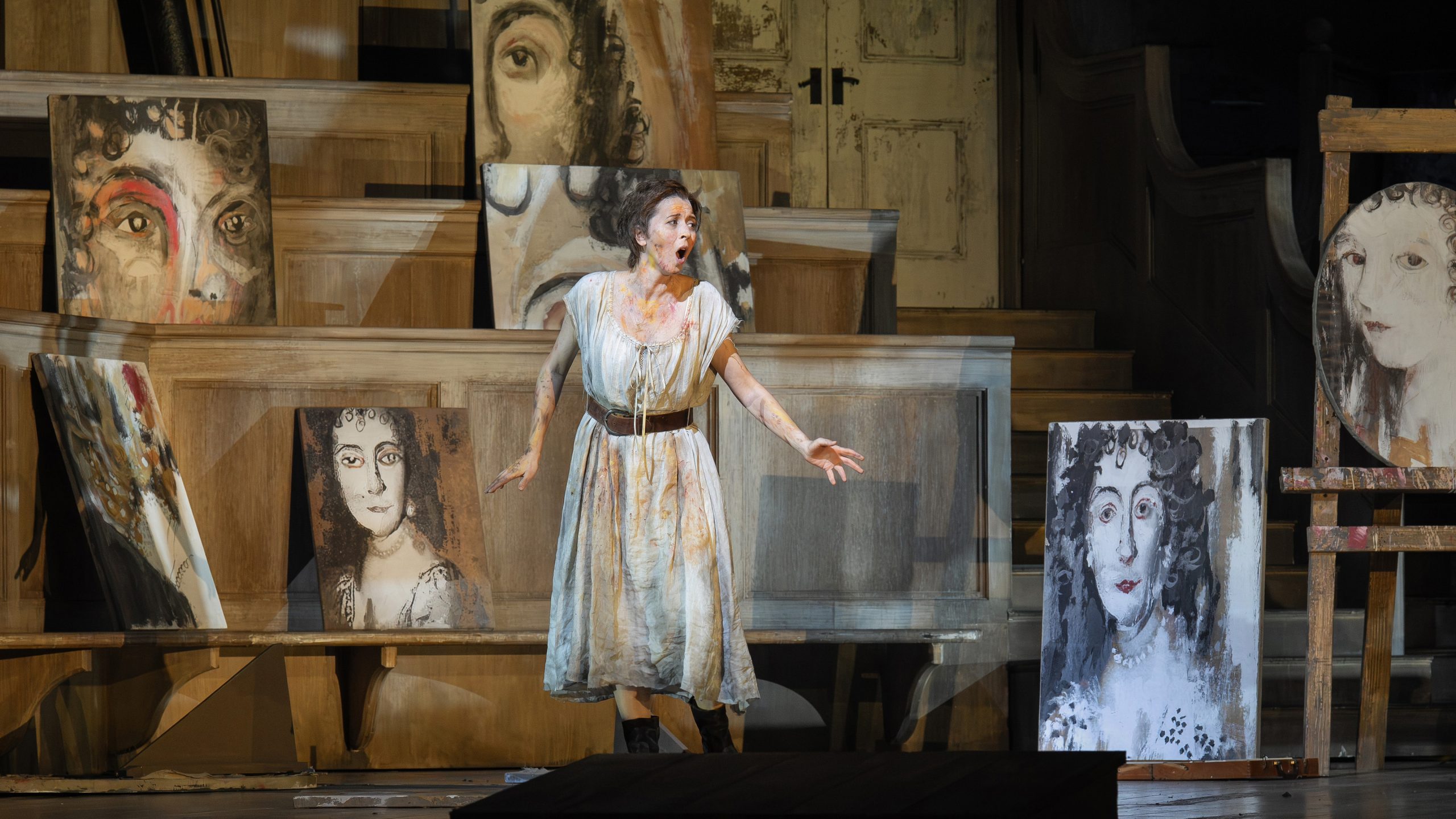
I Puritani
⏲ 02 May, 3:15 p.m.
📍MOViE MOViE Pacific Place
⏲ 17 May, 3:15 p.m.
📍Premiere Elements
⏲ 06 Jun, 3:00 p.m.
📍Emperor Cinemas (Entertainment Building)
⏲ 12 Sep, 4:00 p.m.
📍Ladies’ Recreation Club (LRC)
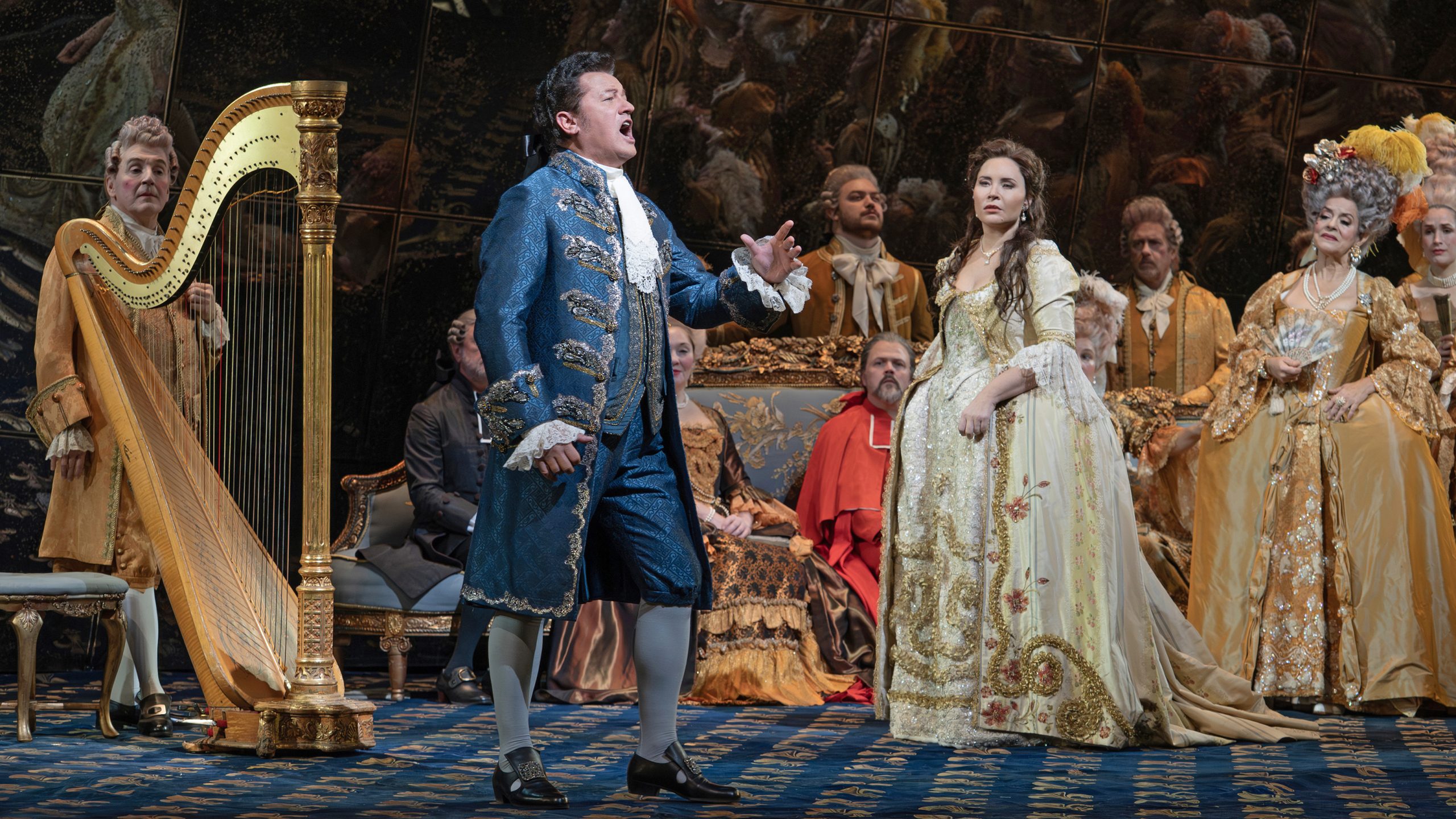
Andrea Chénier
⏲ 31 May, 3:20 p.m.
📍MOViE MOViE Pacific Place
⏲ 13 Jun, 4:30 p.m.
📍Ladies’ Recreation Club (LRC)
⏲ 14 Jun, 3:20 p.m.
📍Premiere Elements
⏲ 01 Aug, 3:05 p.m.
📍Emperor Cinemas (Entertainment Building)
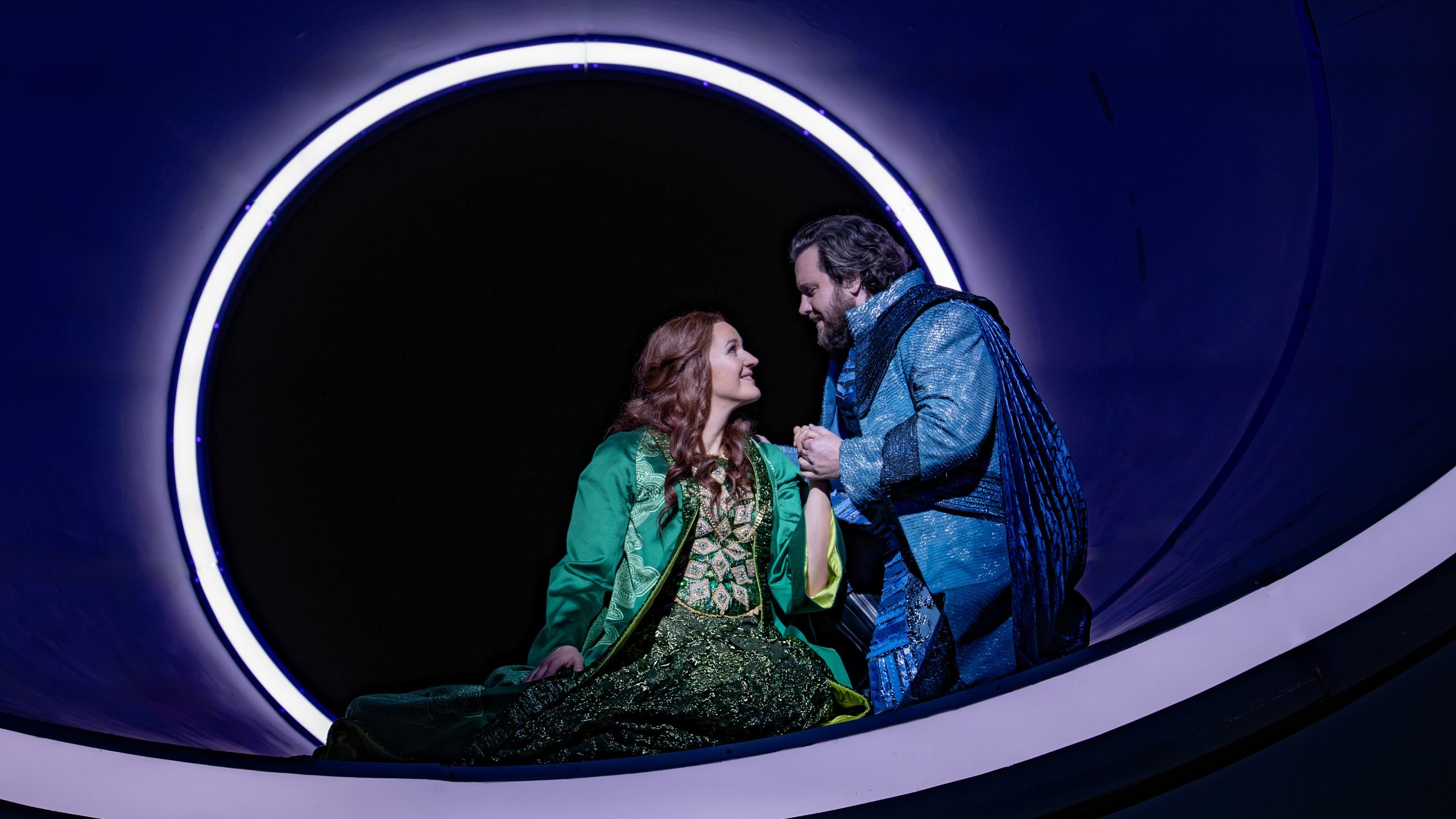
Tristan und Isolde
⏲ 05 Sep, 3:40 p.m.
📍Emperor Cinemas (Entertainment Building)
⏲ 25 Oct, 1:20 p.m.
📍MOViE MOViE Pacific Place
⏲ 31 Oct, 3:00 p.m.
📍Ladies’ Recreation Club (LRC)
⏲ 15 Nov, 1:20 p.m.
📍Premiere Elements
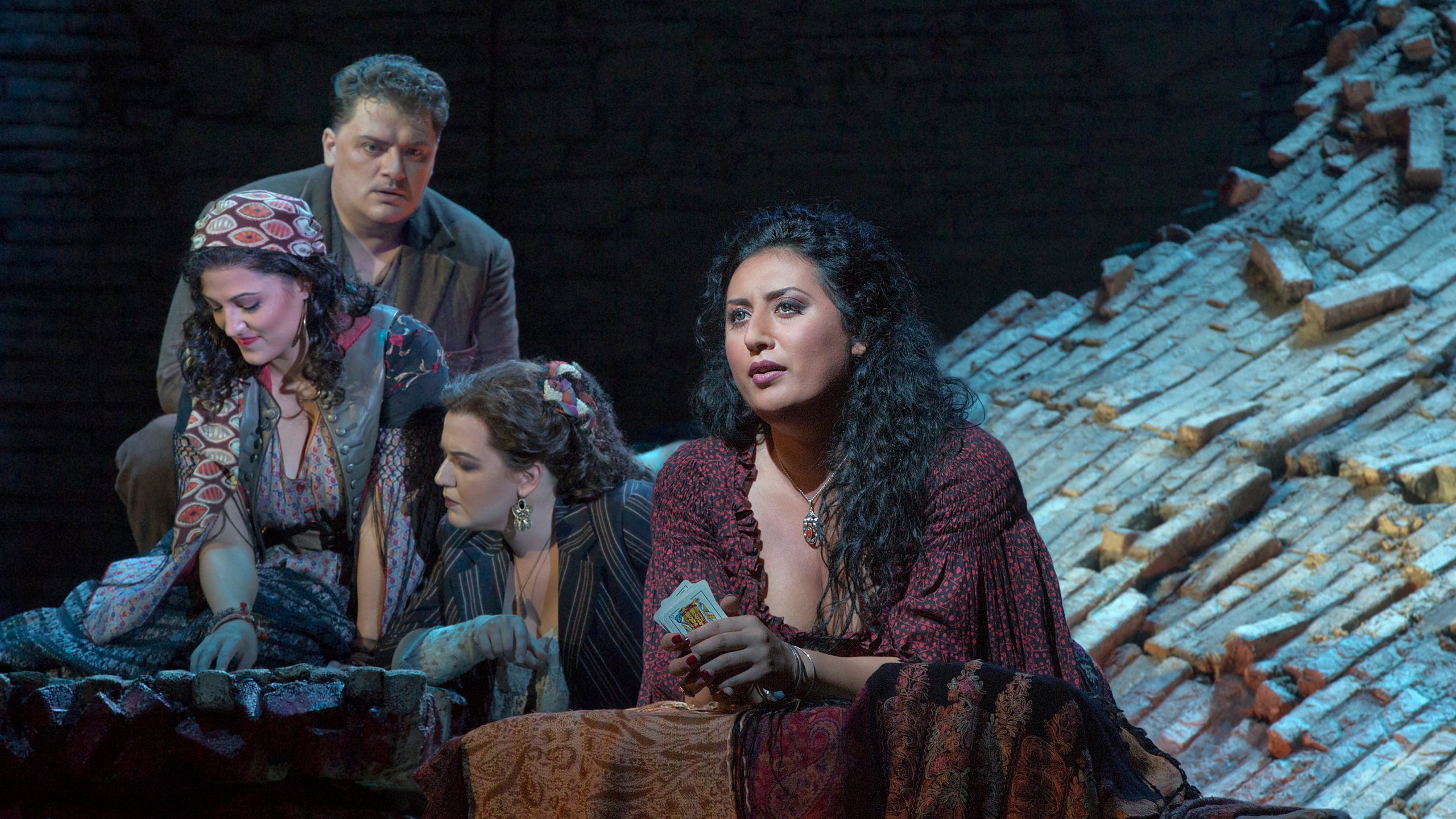
Hong Kong Chamber Music Society (HKCMS) presentations shown in gold
Eugene Onegin
⏲ 06 Sep, 1:45 p.m.
📍MOViE MOViE Pacific Place
⏲ 27 Sep, 1:45 p.m.
📍Premiere Elements
⏲ 18 Oct, 2:40 p.m.
📍MCL Cinemas (K11 Art House)
⏲ 24 Oct, 2:20 p.m.
📍Emperor Cinemas
(Entertainment Building)
⏲ 29 Nov, 4:00 p.m.
📍Ladies’ Recreation Club (LRC)
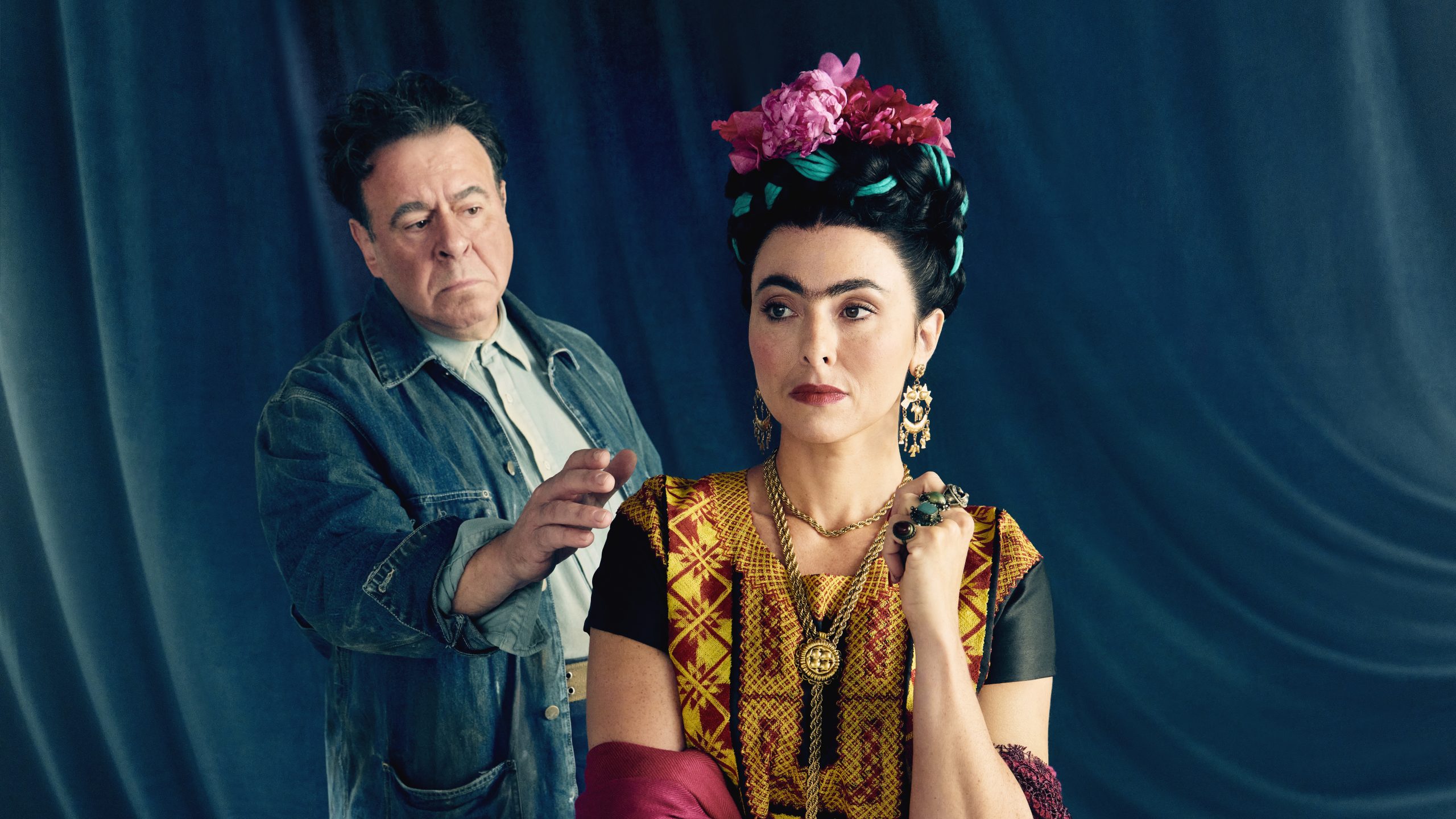
El Último Sueño de Frida y Diego
⏲ 11 Oct, 4:00 p.m.
📍Premiere Elements
⏲ 05 Dec, 3:10 p.m.
📍Emperor Cinemas (Entertainment Building)
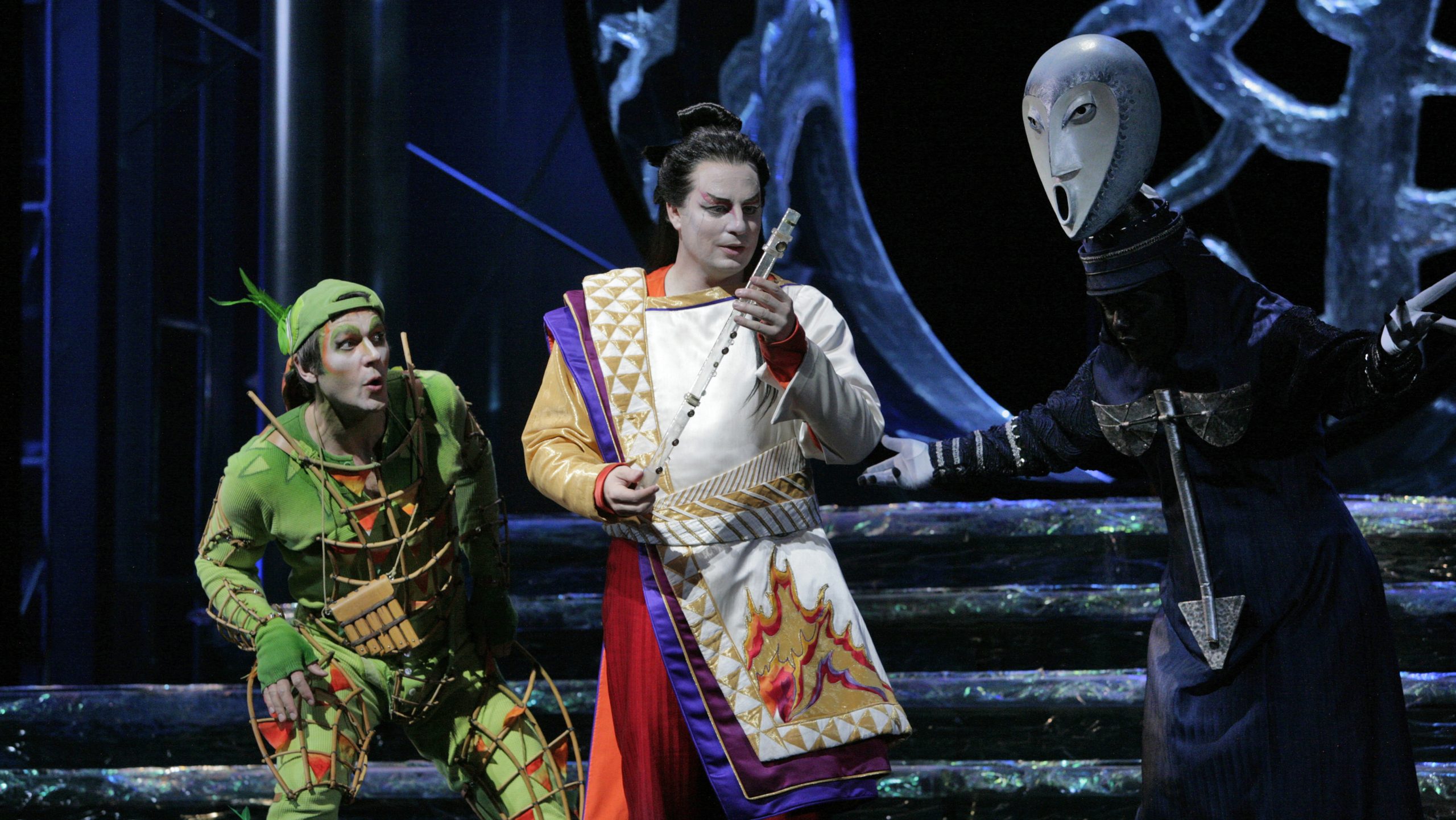
The Magic Flute
⏲ 21 Nov, 3:00 p.m.
📍MCL Cinemas (K11 Art House)
⏲ 20 Dec, 5:30 p.m.
📍Ladies’ Recreation Club (LRC)
The “Beautiful Singing” that Changed the World^
⏲ 10 Aug, 7:00 p.m.
📍Ladies’ Recreation Club (LRC)
^ special Live Performance
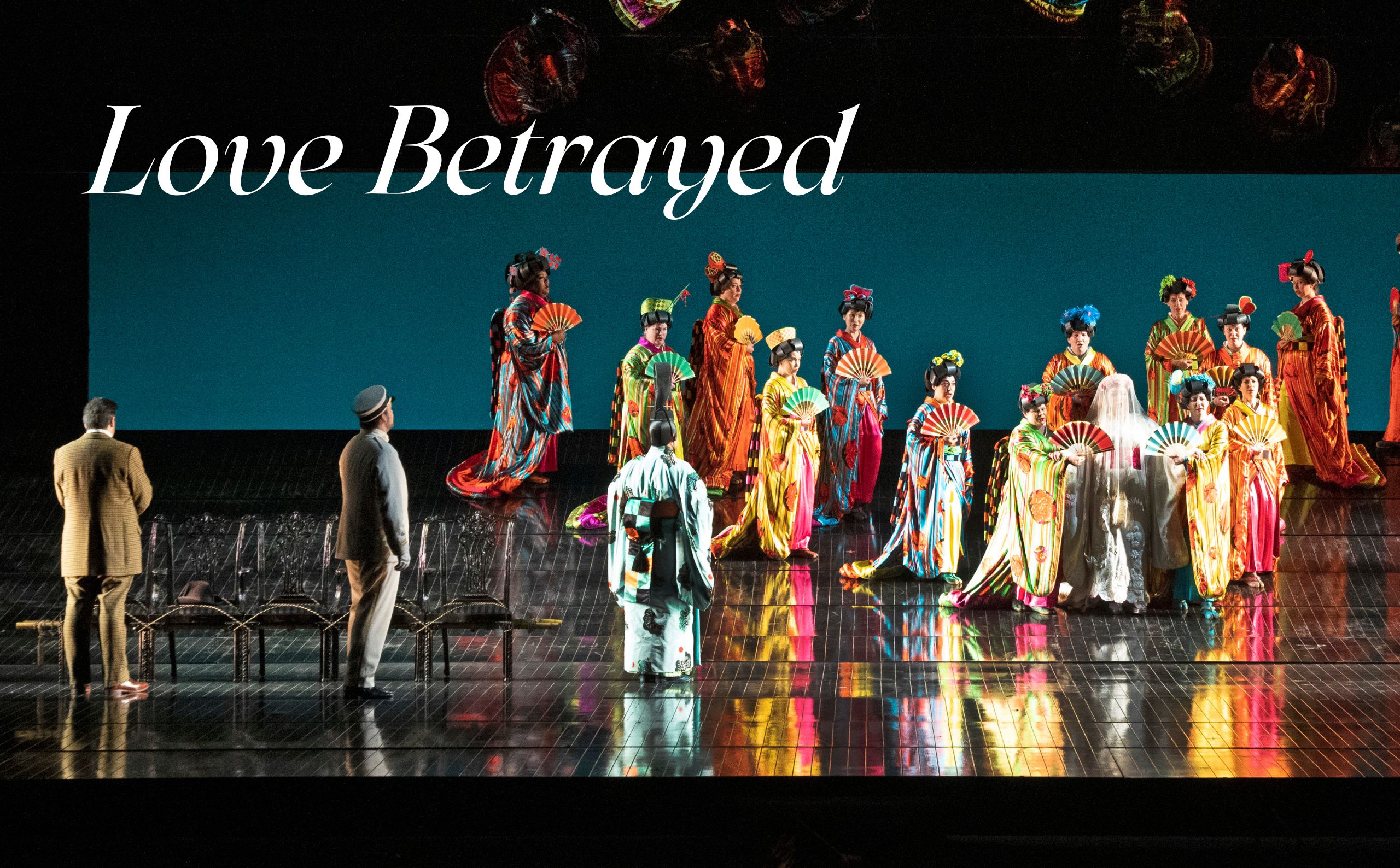
Met Opera 2026 in Hong Kong: Love in All Its Guises
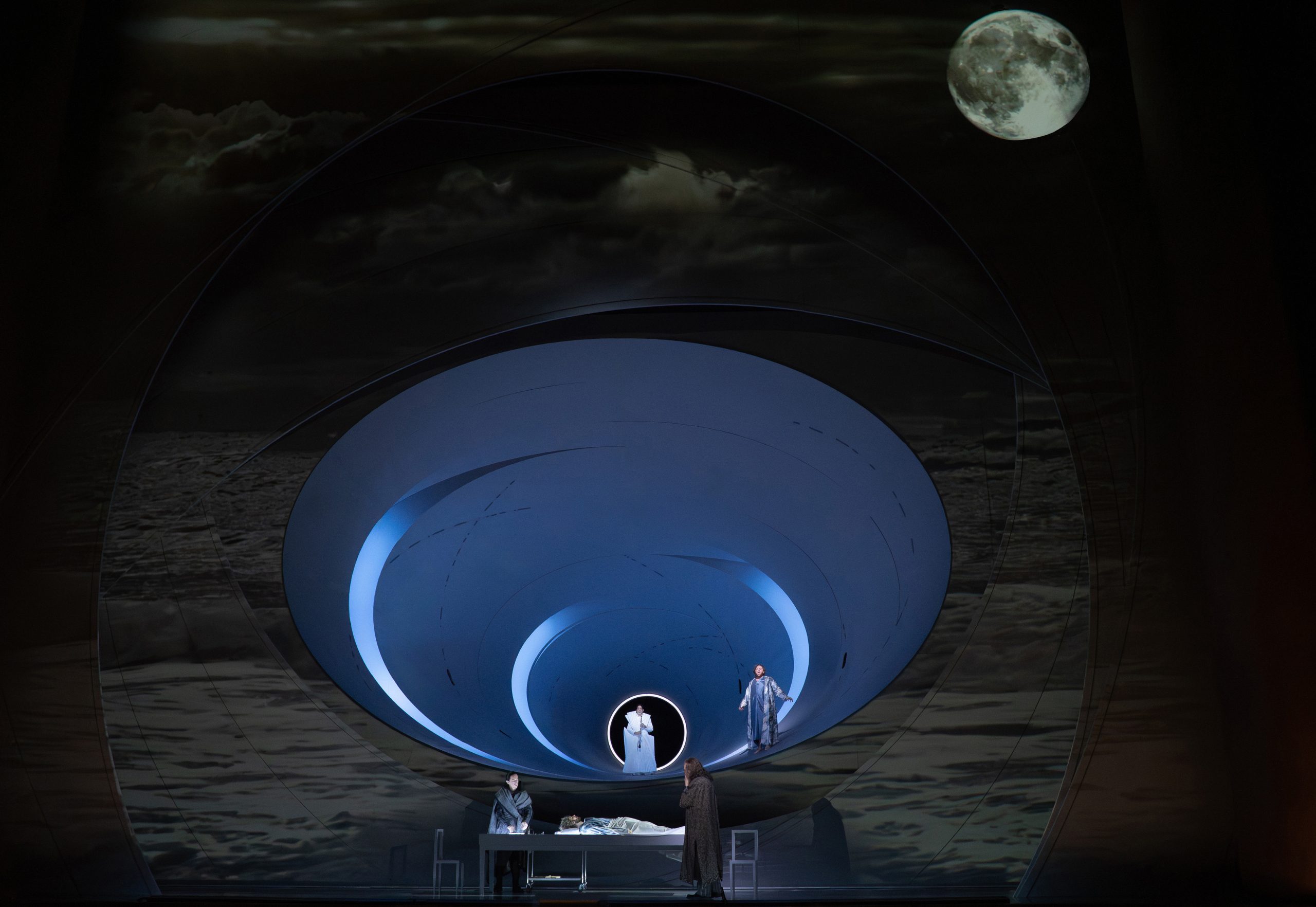
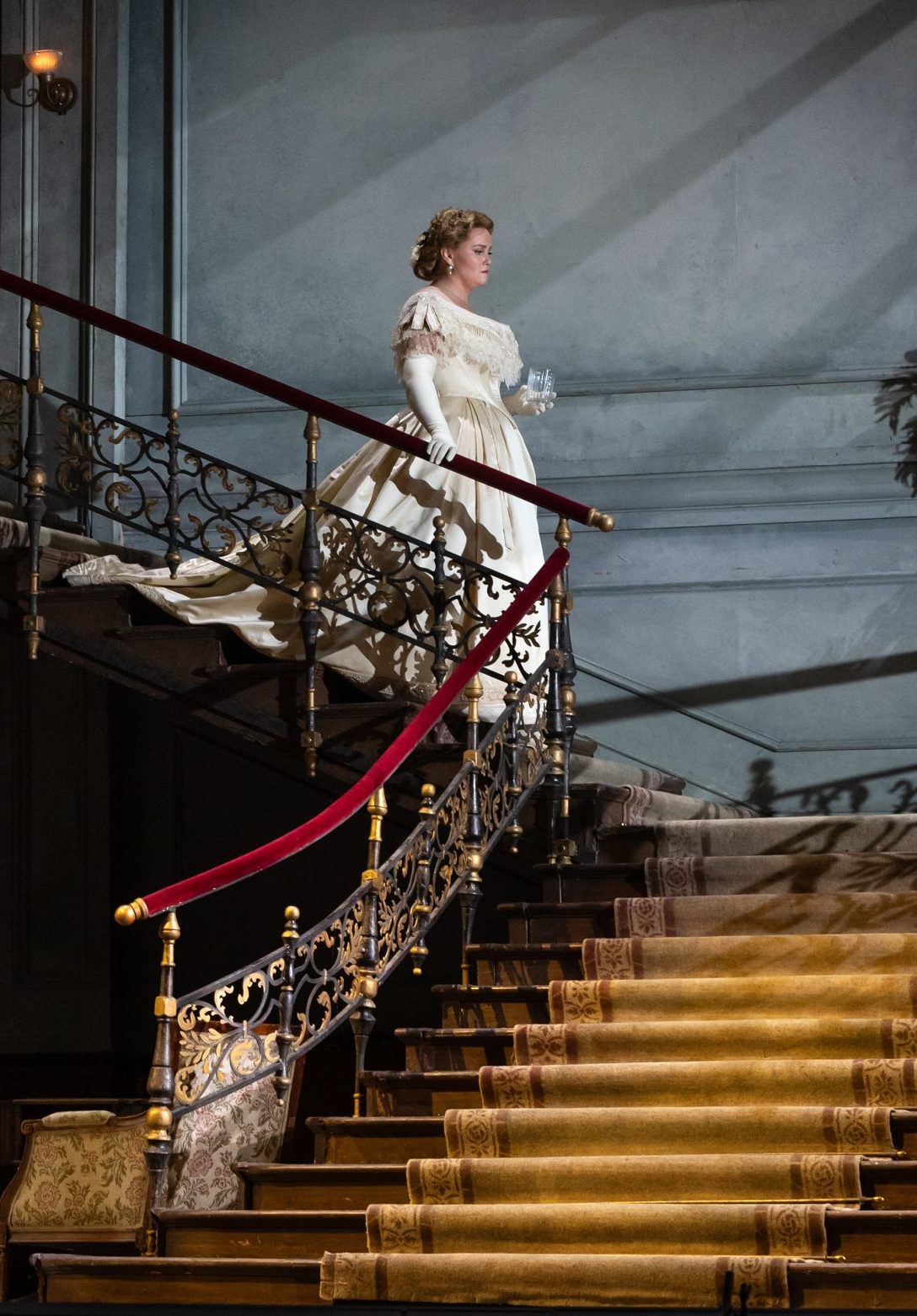
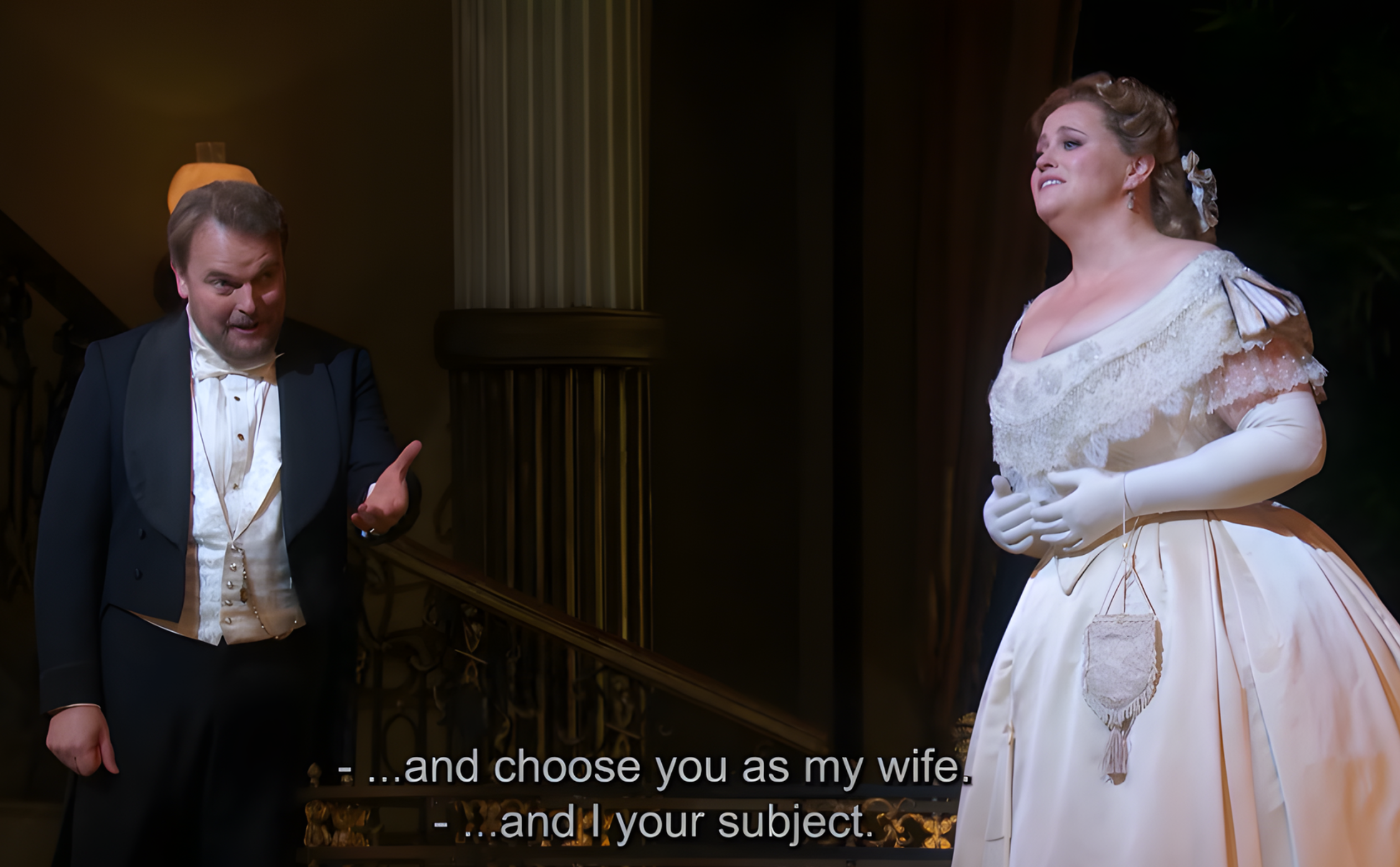
— captures Yuval Sharon’s visionary staging with Lise Davidsen and Michael Spyres at the height of their doomed passion.

By Laurence Scofield, Chairman
Foundation for the Arts and Music in Asia
Opera’s enduring power lies in its insistence that intense emotion deserves time, attention, and commitment. In a world increasingly uncomfortable with extremes of feeling, opera helps us become aware of what it meant to live in a world when love could define one’s entire existence. It does not suggest we should literally die for love today, but it does challenge us to ask if our modern caution has diminished our emotional courage. By listening to opera, we are reminded that to love deeply has always meant to risk loss—and that for centuries, people believed that risk was not foolish, but noble.
What these operas teach us
Across these examples, opera insists on a truth modern storytelling often avoids: love changes who you are, and sometimes survival is not the highest value. These works do not ask whether love is “healthy” or “sustainable.” They ask whether it is true—and whether a life without it is worth living. That question, unsettling as it is, remains opera’s enduring challenge to the modern world.
Opera Is About Love
Modern romantic comedies in film and on television often treat love as light entertainment: a temporary problem to be solved, a misunderstanding to be cleared up, or a charming obstacle on the way to personal fulfilment. The emotional stakes are low. Heartbreak is survivable, embarrassment fleeting, and love—however intense—is rarely presented as a force that might truly destroy or redeem a human life. Opera, by contrast, approaches love as something grave, irreversible, and often fatal. This difference is not accidental. It comes from a belief that intense emotion isn’t a distraction from life’s meaning but its very core.
Opera is for people who are interested in understanding life’s multitude of passions, obsessions, and longing. It is the ideal medium for this because music gives it emotional intensity that words alone simply can never attain. In opera, love is not merely an episode in life; it is life’s defining experience, one for which characters are willing to sacrifice reputation, sanity, honour, and even existence itself.
Opera reached its heights of artistic achievement during troubled times. This helps explain why many people in the opera audience today understand that opera is a powerful antidote for our own emotional challenges due to pandemics, wars, social dislocation and frenetic pace of technological change. “Opera is very much needed in our troubled times,” Met General Manager Peter Gelb, a view many of its devoted fans agree with.
Click the photo to get more about tickets, cast and synopsis.
Vincenzo Bellini
La Sonnambula
25 January 2026, 3:30pm, MOViE MOViE Pacific Place
8 March 2026, 3:30pm, MCL Cinemas (K11 Art House)*
15 March 2026, 3:10pm, Emperor Cinemas (Entertainment Building)
21 March 2026, 3:30pm, Premiere Elements
28 February 2026, 5:00pm, Ladies’ Recreation Club (10 Old Peak Road)
Sleepwalking is something very real
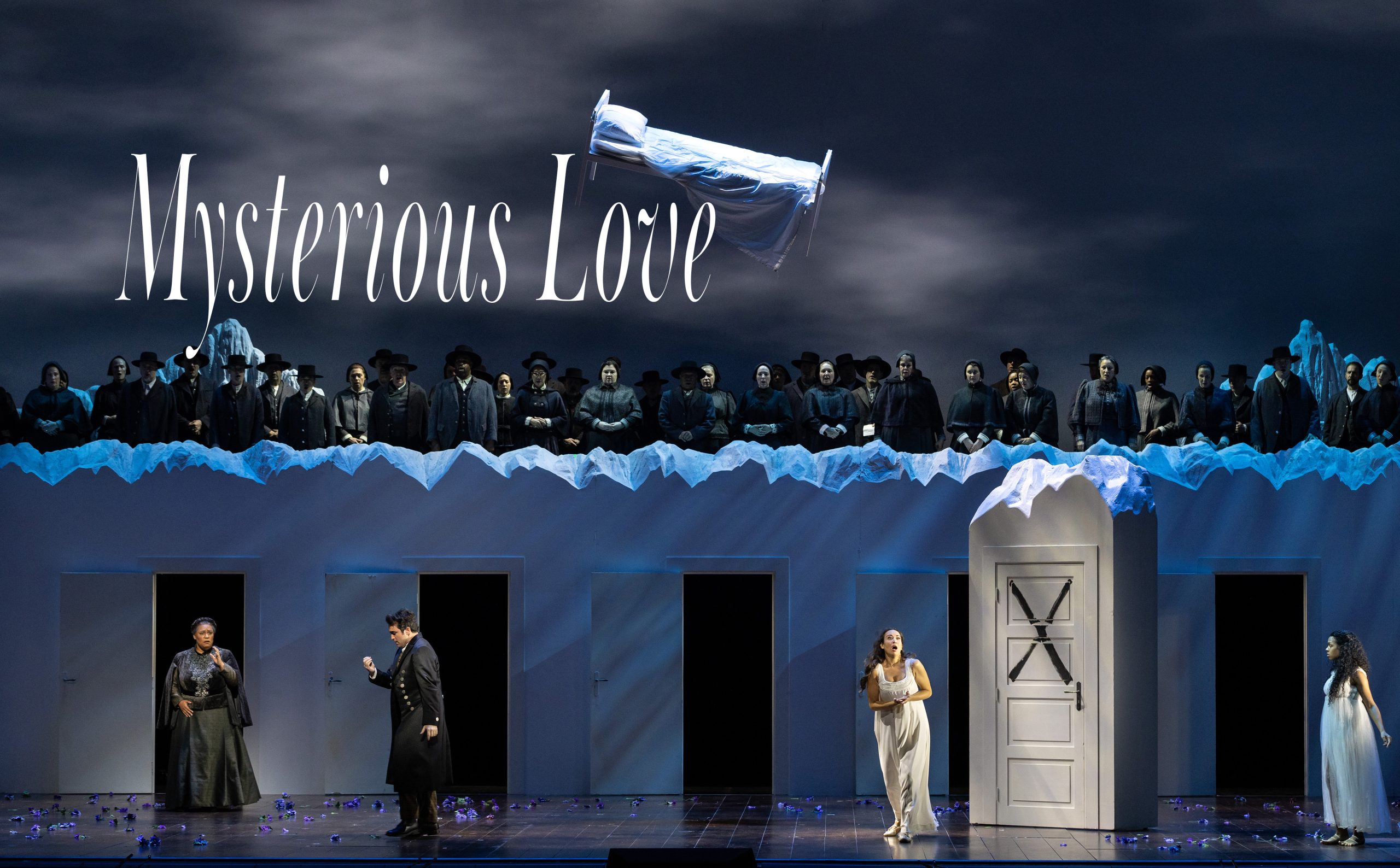
La Sonnambula has a special meaning for our Chairman Laurence Scofield because he actually experienced a frightening case of sleepwalking in his own family. For him and others who’ve experienced it, somnambulism is something very real and not just a storybook fantasy. With this experience, it’s easy to see how this story could be powerful not only when it was discovered in Bellini’s time but even today. Amina’s life is turned upside down by her sleepwalking. Her fidelity to her future husband is challenged and all shun her when she wanders into a compromising situation in her sleep. In this new production with a modern interpretation by famed tenor-turned-director Rolando Villazón, Amina turns the tables on the conservative villagers she grew up with to chart her own destiny.
Sung in Italian with English Subtitles
(*Chinese Subtitle available at K11 Art House)
Approx. 3 hrs 31 mins with 2 intermissions
Conductor
Riccardo Frizza
Production
Rolando Villazón
Amina
Nadine Sierra
Lisa
Sydney Mancasola
Elvino
Xabier Anduaga
Rodolfo
Alexander Vinogradov
Live in HD Director
Gary Halvorson
Live in HD Host
Rhiannon Giddens
Set Designer
Johannes Leiacker
Lighting Designer
Donald Holder
Costume Designer
Brigitte Reiffenstuel
Villazón’s La Sonnambula: secrets unveiled
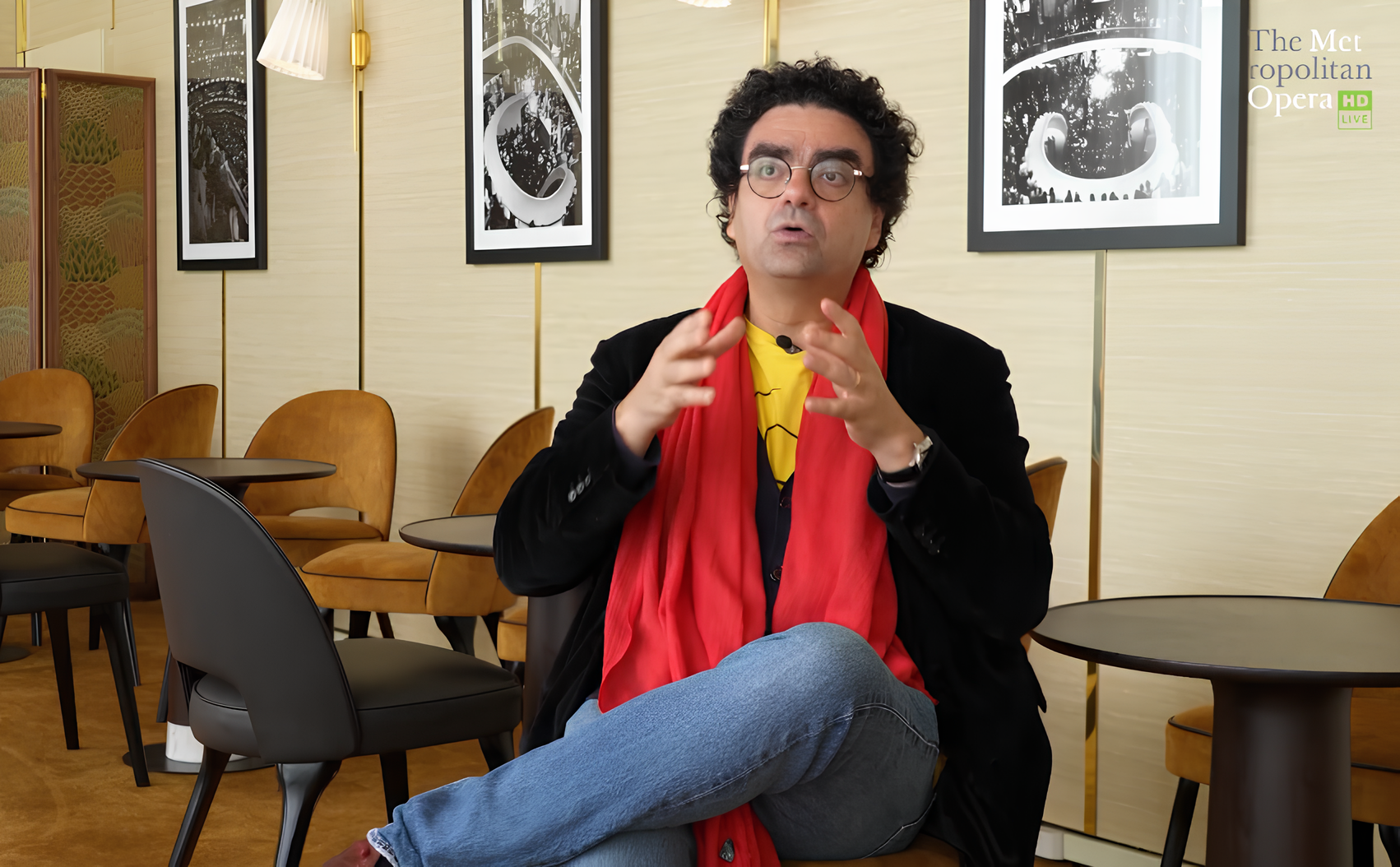
Roland Villazón was one of the most sought-after lyric tenors of his generation, known for his charismatic stage presence, when he transitioned to a second career as opera director. Villazón’s directing is singer centred, informed by his understanding of vocal psychology, phrasing, and physical demands on stage. Singers say that his directing emphasizes lived experience rather than abstract theatrical concepts. His productions focus on psychological realism rather than radical reinterpretation. In the link at right, he explains his concept with his Metropolitan Opera directorial debut in La Sonnambula, highly regarded for its introspective and psychologically nuanced treatment of the work.
How Nadine Sierra creates her magical voice on stage
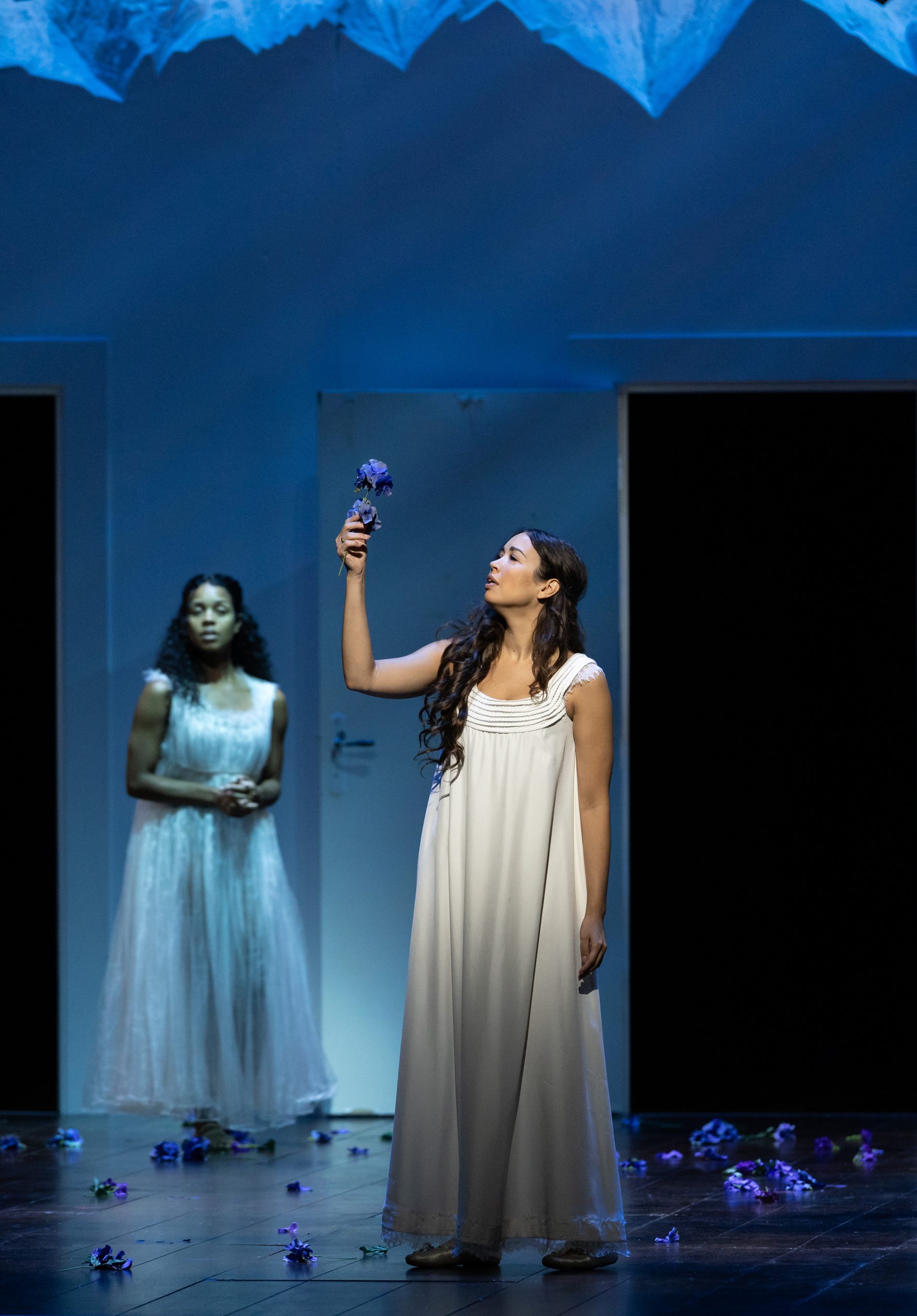
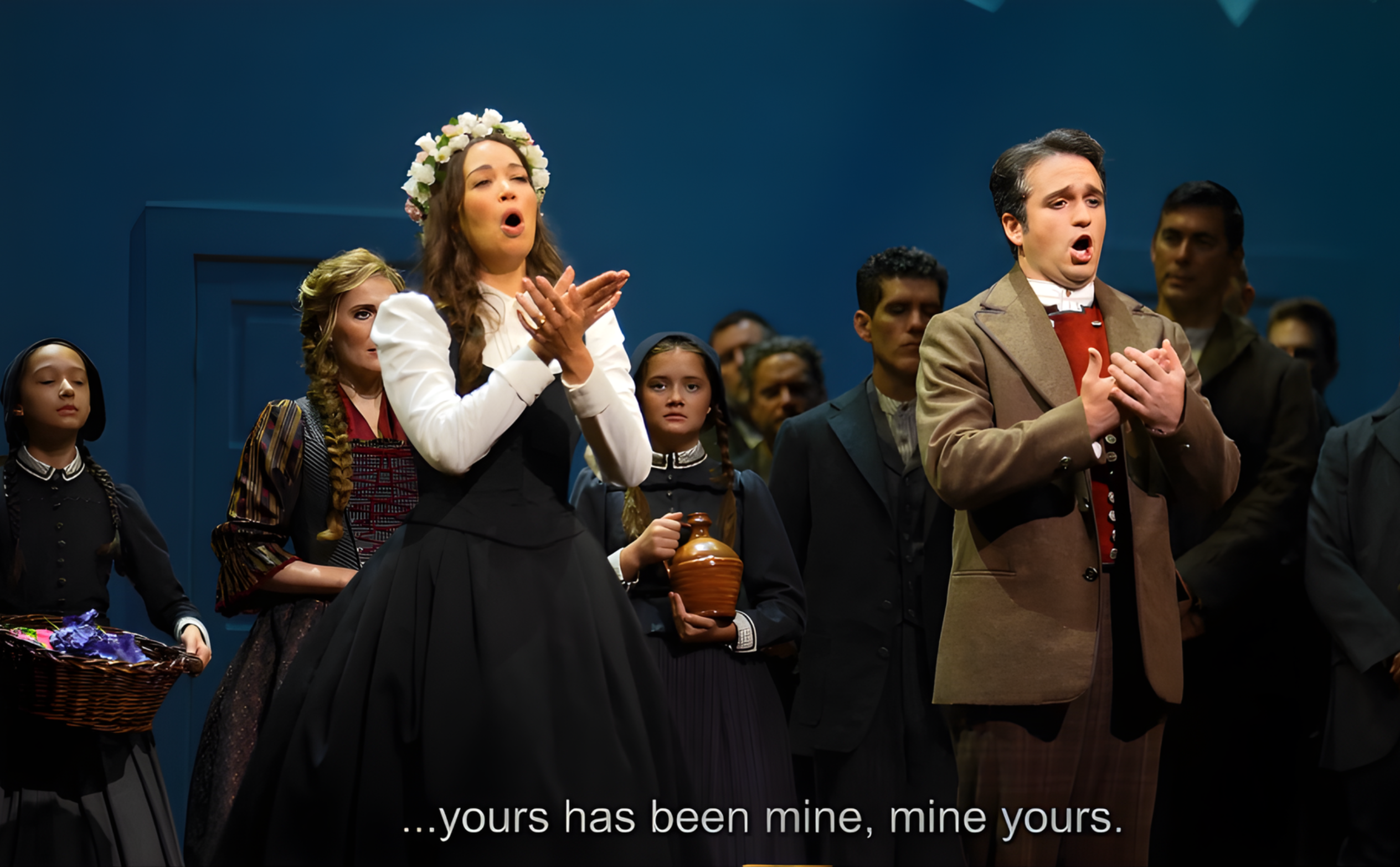
Nadine Sierra has described “Prendi, l’anel ti dono” as a moment that demands absolute restraint rather than vocal display. It’s the hallmark of the bel canto style whose emotional force comes from simplicity and sincerity rather than virtuosity. Sierra has said that to bring out the best of this duet she needs to sing as if speaking intimately, keeping the voice young, innocent, and unforced. She links the duet’s effectiveness to the singer’s ability to sustain long breathed legato without sentimental exaggeration. In the link above, you can hear her magical rendition of this great duet from the bel canto repertoire.
Nadine Sierra is a very special Amina
Nadine Sierra’s performance as Amina has been one of the highlights of the current season at the Met. The purity, flexibility and soft dynamics of her voice are ideally suited to Bellini because of its spontaneity and warmth, particularly in the moments of intimate lyricism that the role demands. One remarkable feature of her performance of Amina is that her portrayal actually gains strength over the course of the opera despite the huge effort required, culminating in a final scene that shows real vocal brilliance. Her Amina is special because it’s touching and musically disciplined, avoiding sentimentality while still delivering pathos.
Click the photo to get more about tickets, cast and synopsis.
Giacomo Puccini
La Bohème
1 February 2026, 3:00pm, Emperor Cinemas (Entertainment Building)
14 March 2026, 3:30pm, MOViE MOViE Pacific Place
22 March 2026, 3:15pm, MCL Cinemas (K11 Art House)
28 March 2026, 4:30pm, Ladies’ Recreation Club (10 Old Peak Road)
29 March 2026, 3:30pm, Premiere Elements
Puccini’s music touches everyone
Puccini’s 1896 premiere ignited instant acclaim. After opening at Milan’s Teatro Regio, it went on to triumph on countless global stages. The New York Times called it “Puccini’s masterpiece of pathos”, and Toscanini described it as “the perfect opera.”
After 130 years, La Bohème is probably the most performed and beloved opera of all time. Its emotionally charged music, relatable story of young love, and poignant portrayal of friendship in the face of poverty captures the passionate and tragic, bohemian lifestyle in an unforgettable way.
Puccini’s music touches almost everyone and heartfelt moments like “Che gelida manina” and “Sì, mi chiamano Mimì,” bring tears to the eyes like very few other pieces of music.
Sung in Italian with English and Chinese Subtitles
Approx. 3 hrs 31 mins with 2 intermissions
Conductor
Keri-Lynn Wilson
Production
Franco Zeffirelli
Mimì
Juliana Grigoryan
Musetta
Heidi Stober
Rodolfo
Freddie De Tommaso
Marcello
Lucas Meachem
Schaunard
Sean Michael Plumb
Colline
Jongmin Park
Benoit/Alcindoro
Donald Maxwell
Live in HD Director
Gary Halvorson
Live in HD Host
Matthew Polenzani
Set Designer
Franco Zeffirelli
Lighting Designer
Gil Wechsler
La Bohème never fails to impress
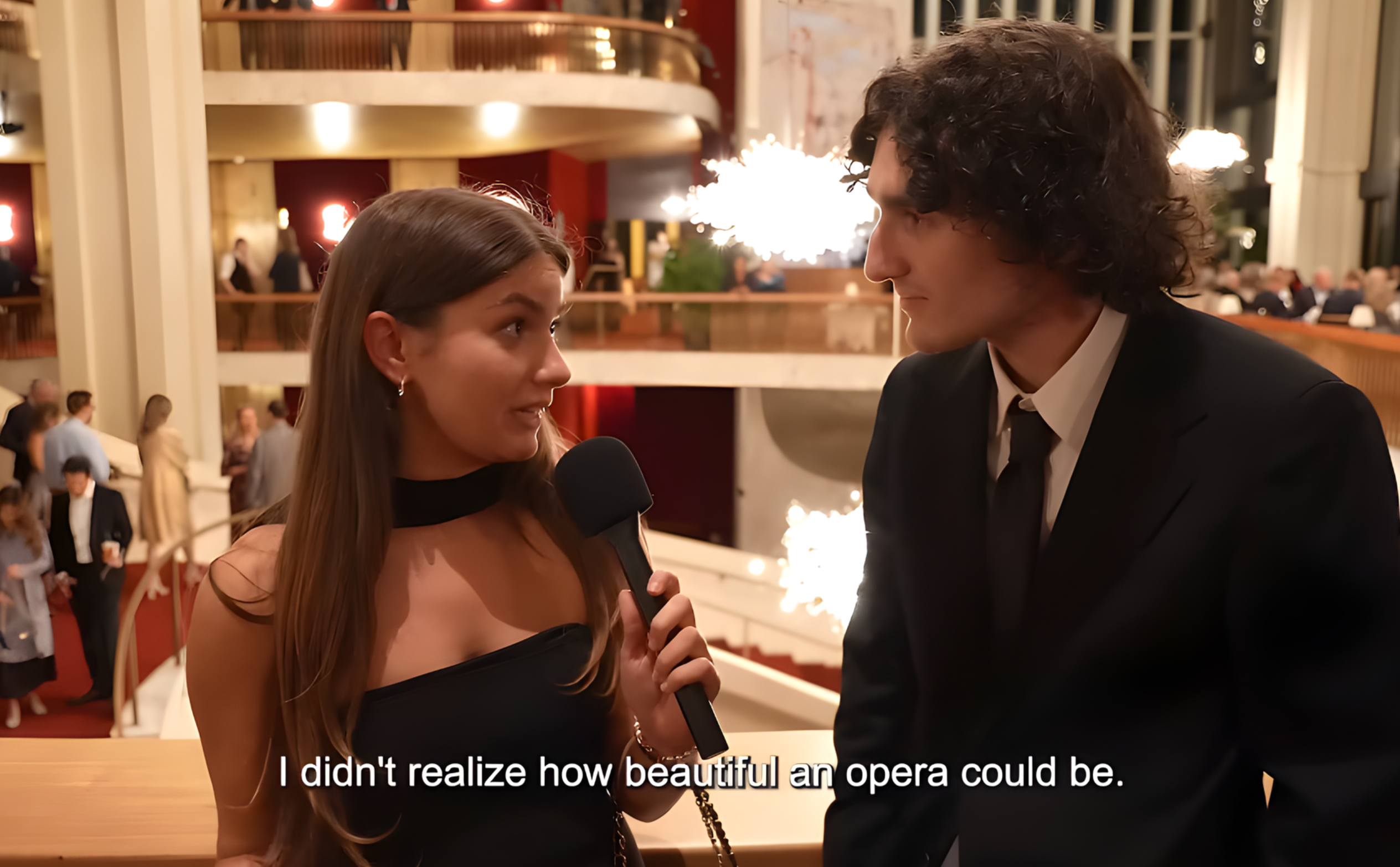
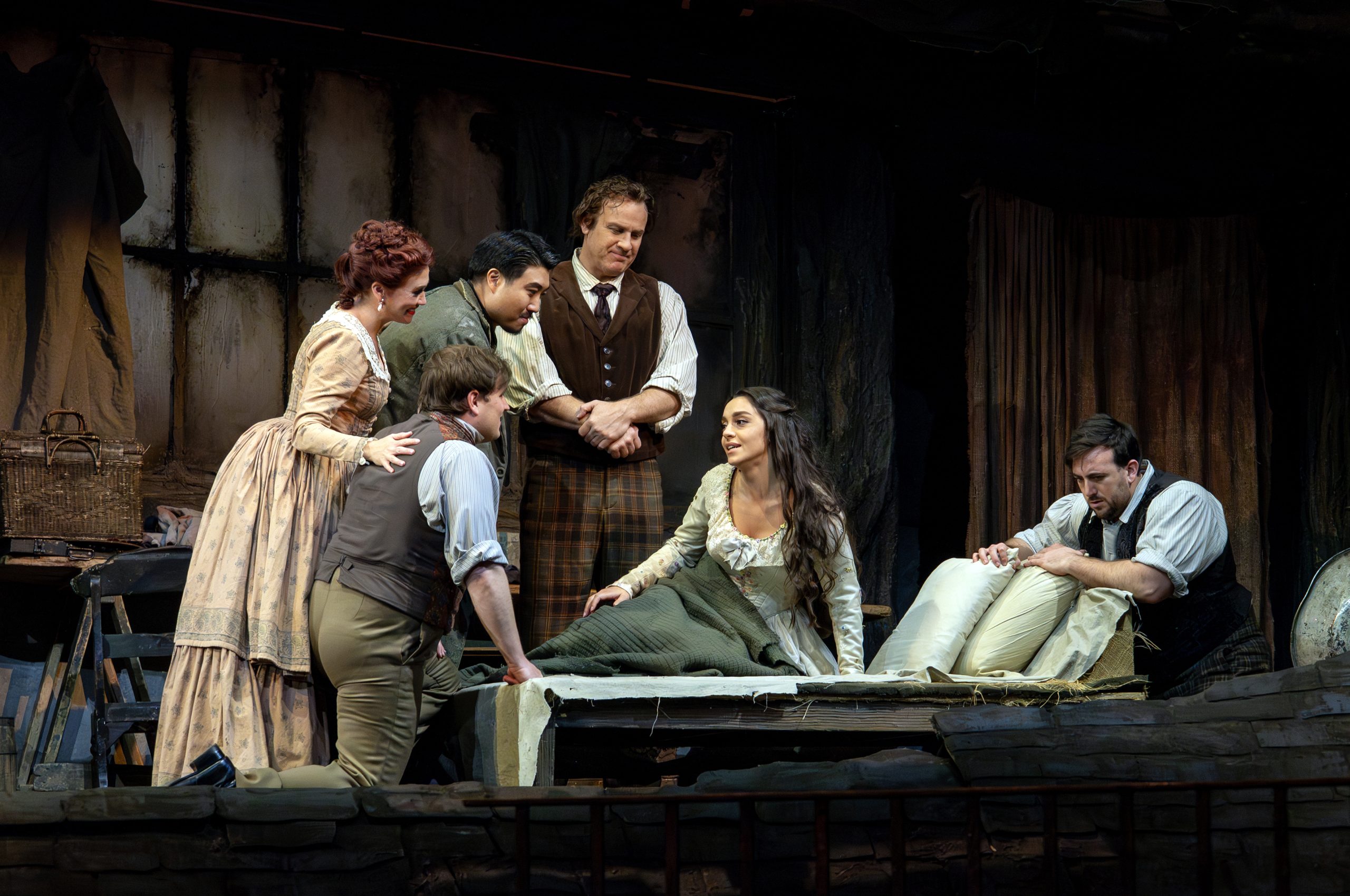
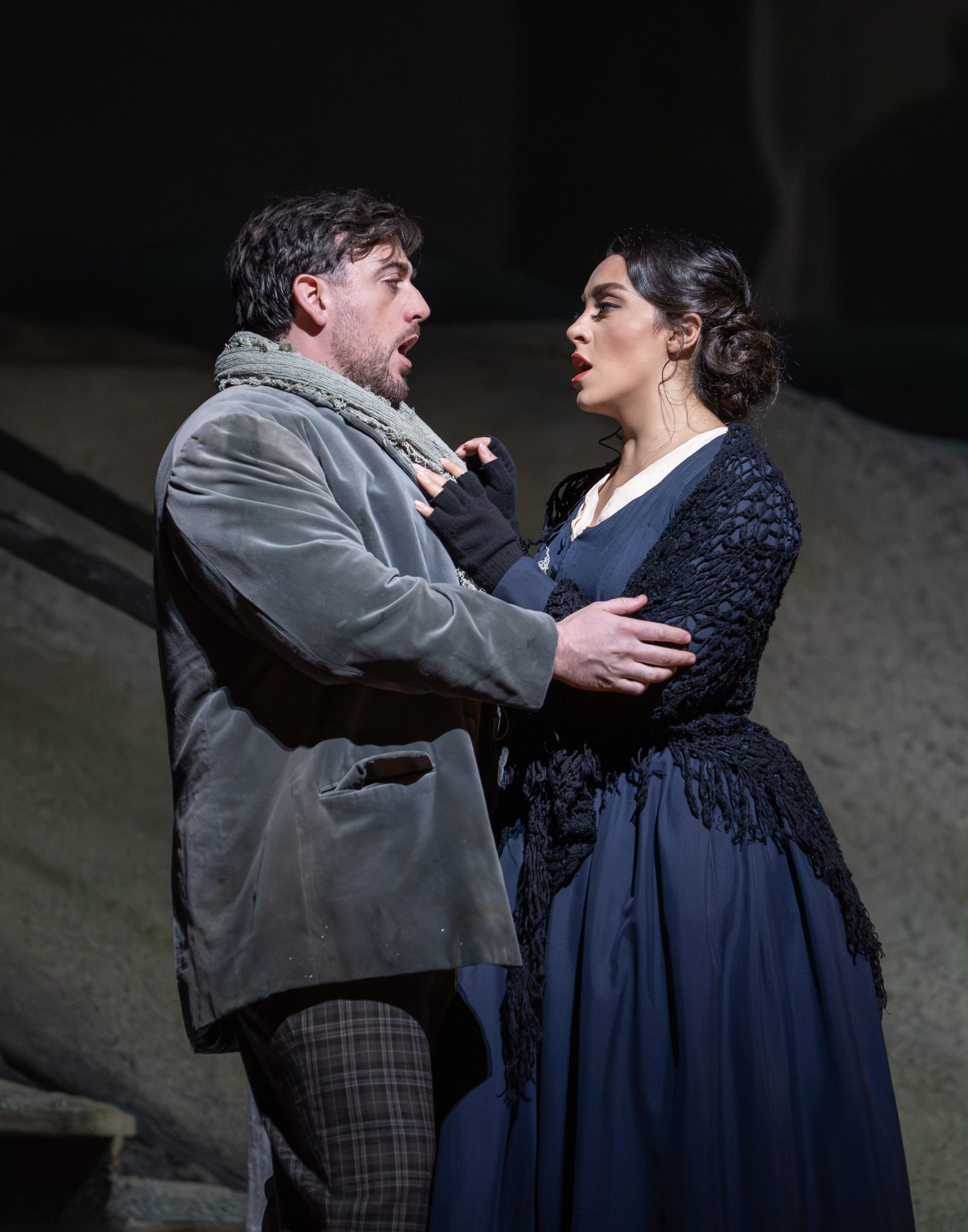
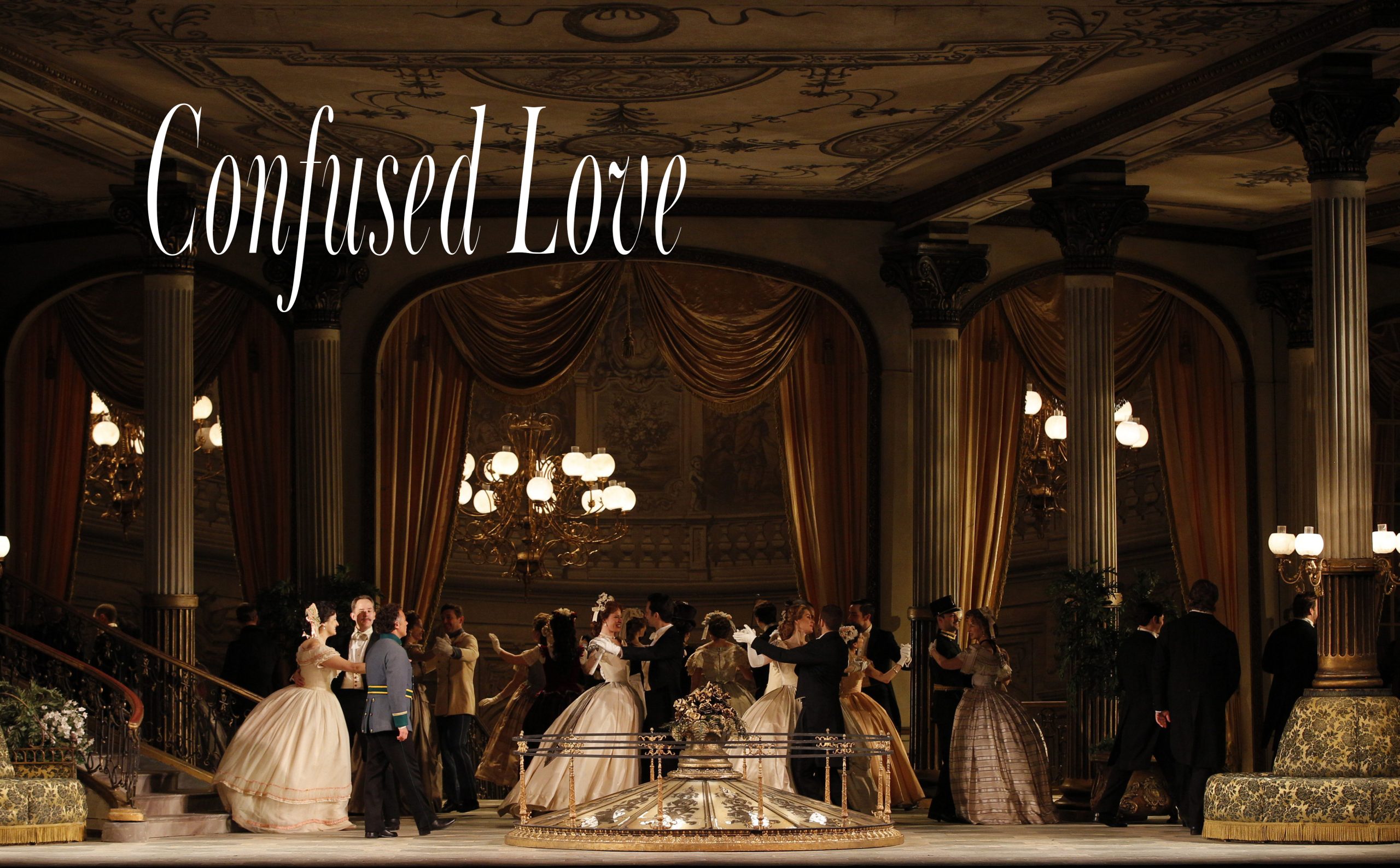
Franco Zeffirelli’s La Bohème is the most popular production in the entire Met repertoire. Zeffirelli’s stated aim was to make the audience feel physically present in 19th century Paris. Audiences love the hyper-detailed sets, historically accurate costumes, and amazing stage pictures, especially in Act II at the Café Momus, where the sheer scale and bustle routinely trigger applause when the curtain rises. Zeffirelli believed that La Bohème derives its power from the realism of ordinary lives and small gestures, and the staging reinforces those musical moments. You can listen to what the audience thinks right after coming out of a performance with the link above.
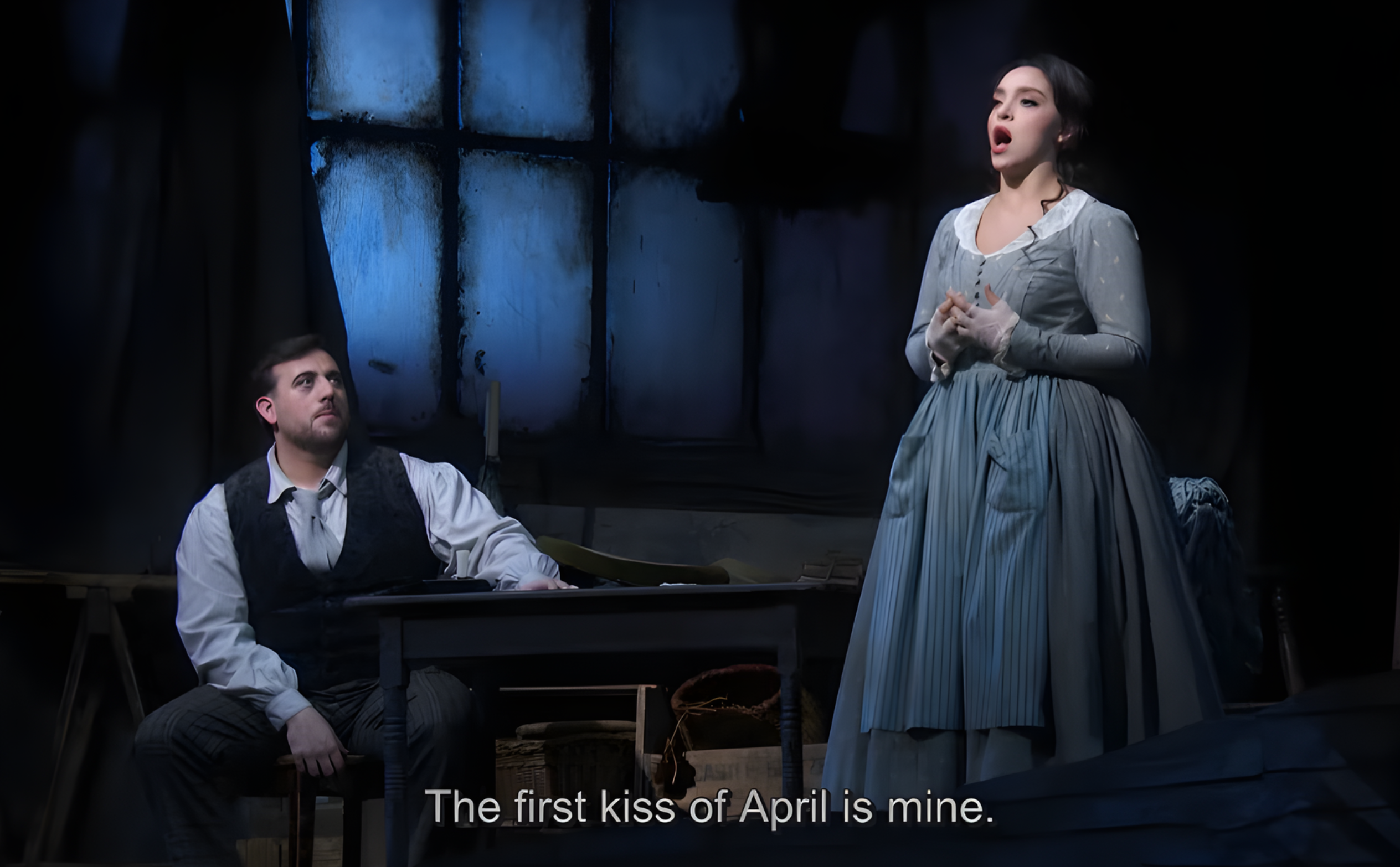
Juliana Grigoryan’s voice blooms as Mimì
Juliana Grigoryan’s Mimì is inward, tentative, emotionally layered and never overtly sentimental. In Act I she shows hesitation to convey a shy but emotionally alert young woman. She presents Mimì as fragile without passivity and then grows more subdued as Mimì’s health declines. In her great Act I aria, “Sì, mi chiamano Mimì,” her singing gradually blooms as the aria unfolds. It’s real mastery of the vocal arts. Listen to it above.
Click the photo to get more about tickets, cast and synopsis.
Richard Strauss
Arabella
12 April 2026, 2:30pm, MOViE MOViE Pacific Place
19 April 2026, 2:15pm, Emperor Cinemas (Entertainment Building)
26 April 2026, 2:30pm, Premiere Elements
Love as the end of youth
At first glance, the Vienna of Arabella looks extremely opulent. It’s set in a glittering world of balls and social manoeuvring. But we later understand that Strauss and his librettist Hofmannsthal show that this Vienna is also home to poor unfortunates as well for whom love becomes a matter of an existential choice.
The decision by the Waldner family to dress the younger sister Zdenka as a boy and call her Zdenko is because of the family’s desperate finances. The Waldners cannot afford to “present” two daughters in Viennese society, because debuting, chaperoning, and dowries are so expensive. The opera exposes a harsh truth about women’s lives in this time: a young woman’s value is seen mostly as a potential bride.
In this situation, Arabella’s decision is very courageous. She is surrounded by suitors and could easily treat marriage as a transaction to rescue her family from ruin. Instead, she waits for “the right man” to whom she can give herself completely. When she chooses Mandryka—awkward, volatile, and imperfect—she does so with full awareness that love means accepting another person as they really are.
Sung in German with English Subtitles
Approx. 4 hrs 27 mins with 2 intermissions
Conductor
Nicholas Carter
Production
Otto Schenk
Arabella
Rachel Willis-Sørensen
Zdenka
Louise Alder
Fiakermilli
Julie Roset
Countess Adelaide Waldner
Karen Cargill
Matteo
Pavol Breslik
Mandryka
Tomasz Konieczny
Count Waldner
Brindley Sherratt
Live in HD Director
Gary Halvorson
Live in HD Host
Ryan Speedo Green
Set Designer
Günther Schneider-
Siemssen
Lighting Designer
Gil Wechsler
Arabella: vanishing Viennese elegance
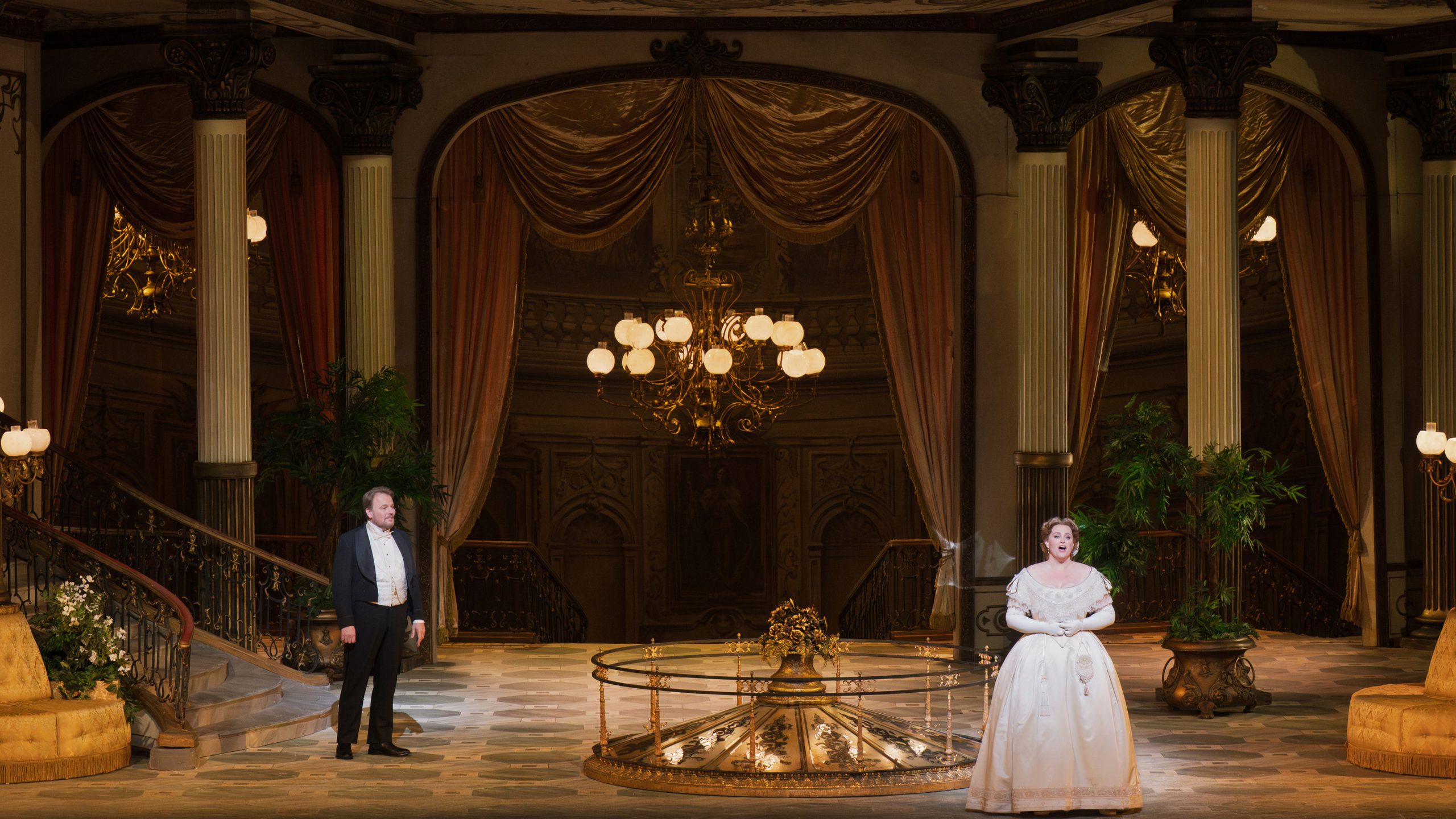
Arabella, set in Vienna like Rosenkavalier, portrays an aristocratic family at the end of its glory days rather than the passage of time itself. Otto Schenk’s realistic hotel interiors and ballrooms, bring to life a social system that was set to disappear.
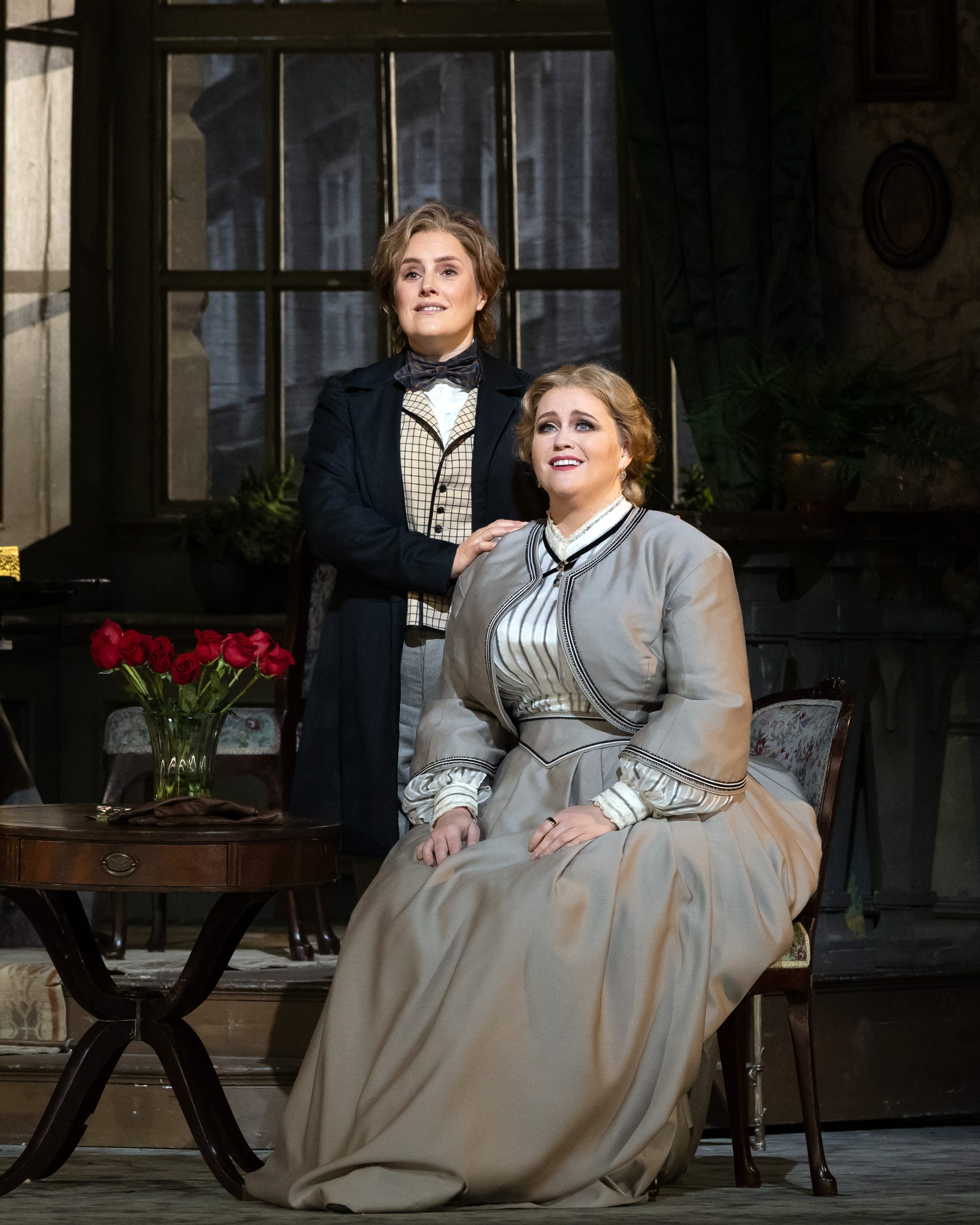
This Met production displays inwardness rather than grandeur, and how the big decisions in life and their resolution may be made in a way that’s calm rather than volatile, as Arabella shows at right.
Intimate conversations through Strauss’s music
Musically, while Der Rosenkavalier is opulent and symphonic, Arabella is conversational. Its orchestration is also richly Straussian, but lighter in texture. Conductor Nicholas Carter stresses its flowing continuity rather than set-piece brilliance, as you’ll hear at right. Arabella offers a gentle arc. Her journey is not about renunciation but about clarity—recognizing the “right one” and choosing emotional honesty over social calculation. This Met production displays inwardness rather than grandeur, and how the big decisions in life and their resolution may be calm rather than transcendent.
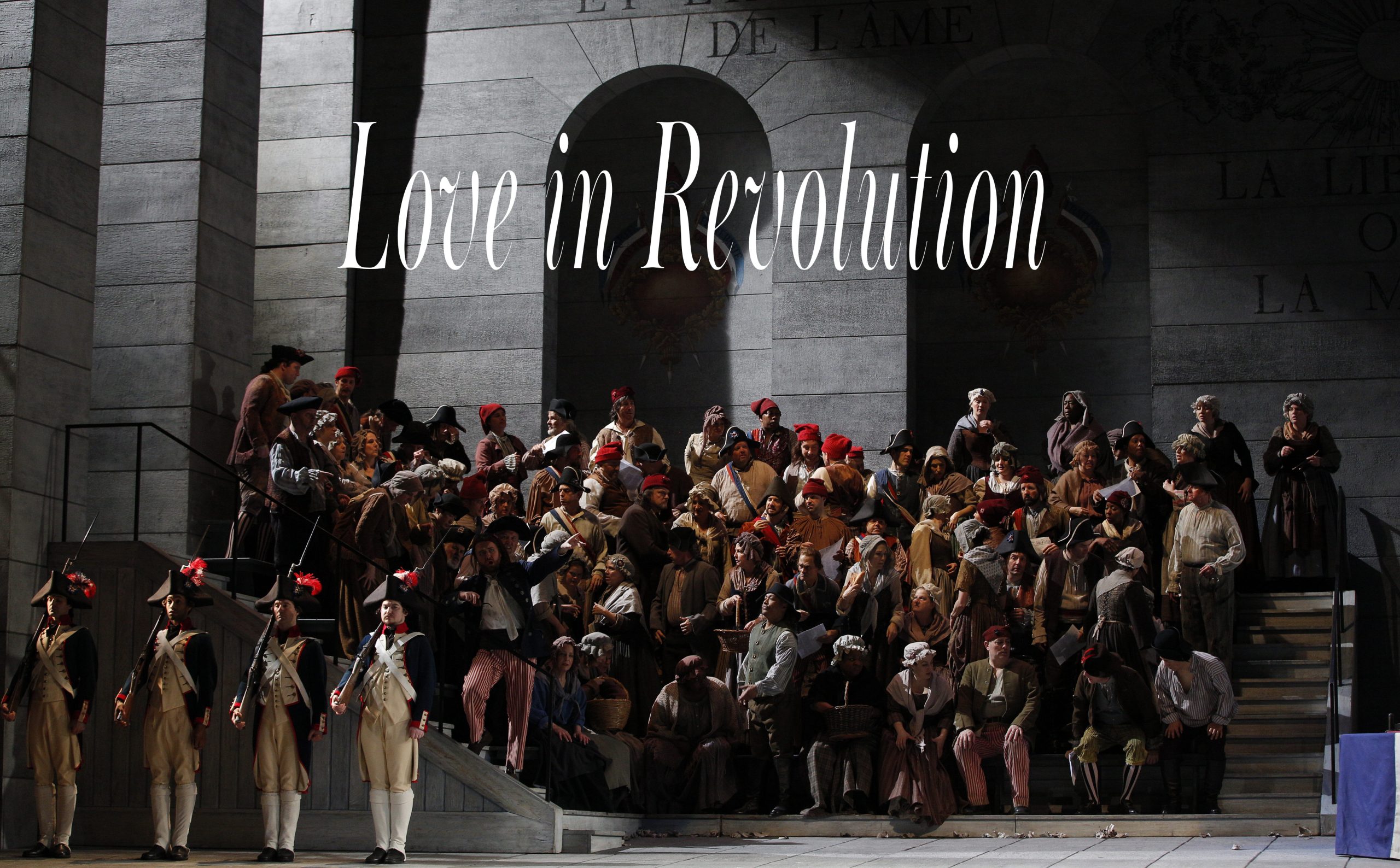
Click the photo to learn more about tickets, cast and synopsis.
Umberto Giordano
Andrea Chénier
31 May 2026, 3:20pm, MOViE MOViE Pacific Place
13 June 2026, 4:30pm, Ladies’ Recreation Club (10 Old Peak Road)
14 June 2026, 3:20pm, Premiere Elements
1 August 2026, 3:05pm, Emperor Cinemas (Entertainment Building)
Execution becomes the price of love
Andrea Chénier and Maddalena’s bond forms amid the violence of the French Revolution when ideals and emotions are taken to extremes. Chénier’s love is inseparable from his identity as a poet and witness to the brutality all around him: to love Maddalena is to affirm human dignity in a world that has abandoned mercy. When he refuses to save himself by renouncing his beliefs, Maddalena chooses to die with him, exchanging her life for another prisoner so she may share his fate. Their final duet does not mourn death but welcomes it as the only place where their love can remain uncontaminated. Here love is not something that survives history—it defies it, even if the price is execution.
Sung in Italian with English Subtitles
Approx. 3 hrs 46 mins with 2 intermissions
Conductor
Daniele Rustioni
Production
Nicolas Joël
Revival Stage Director
J. Knighten Smit
Maddalena di Coigny
Sonya Yoncheva
Andrea Chénier
Piotr Beczała
Carlo Gérard
Igor Golovatenko
Live in HD Director
Gary Halvorson
Live in HD Host
Lisette Oropesa
Set and Costume Designer
Hubert Monloup
Lighting Designer
Duane Schuler
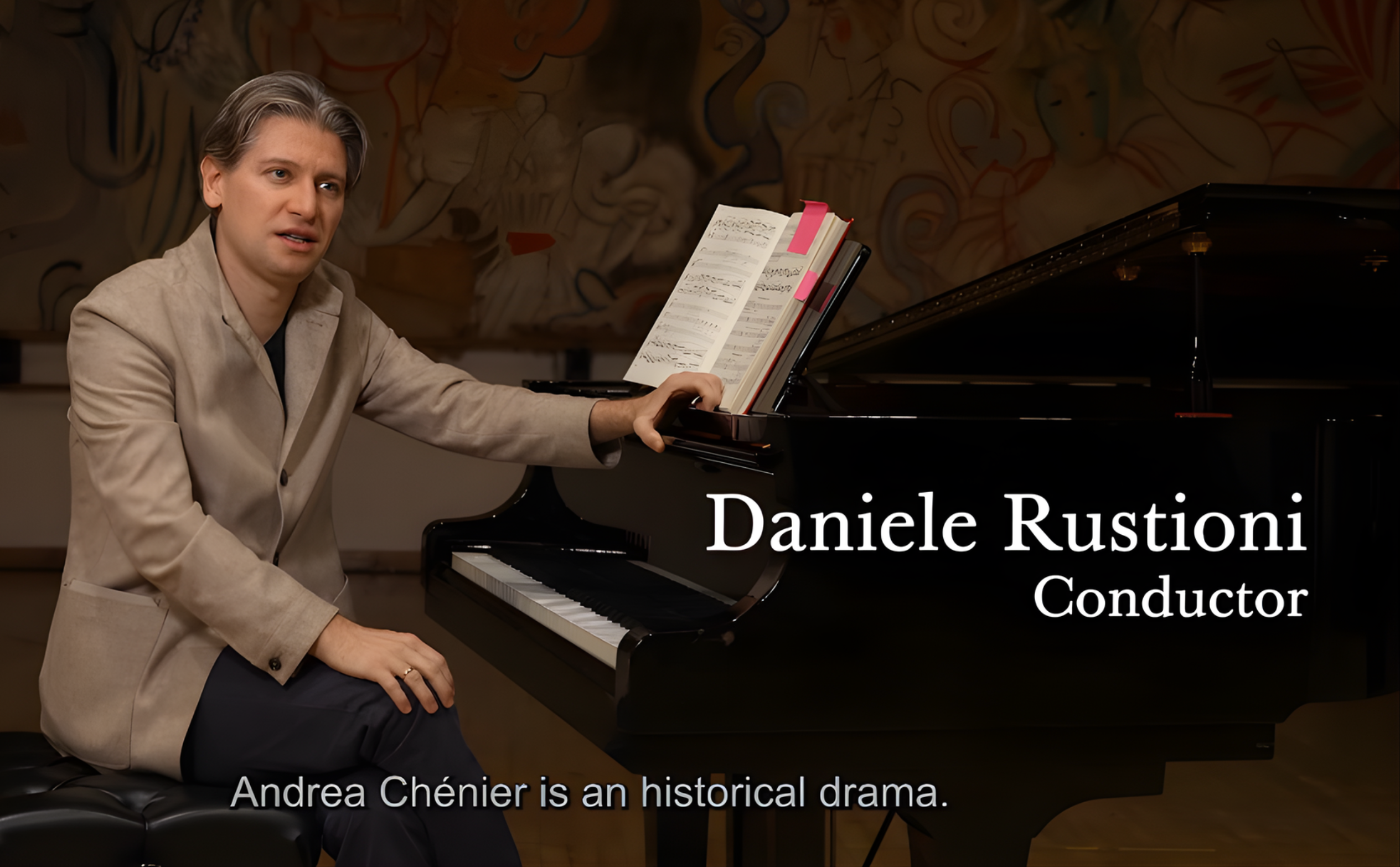
Rustioni emphasizes the momentum and tension
Under Daniele Rustioni, the orchestral performance emphasizes the inherent momentum and dramatic tension in the music, scan at right.
He keeps Giordano’s score moving without heaviness, ensuring that climaxes grow organically with subtlety and power. The orchestra is, as always at the Met, consistently supportive of the singers—crucial in a work where the vocal line must dominate emotional communication.
Stunning visuals enhance revolutionary drama
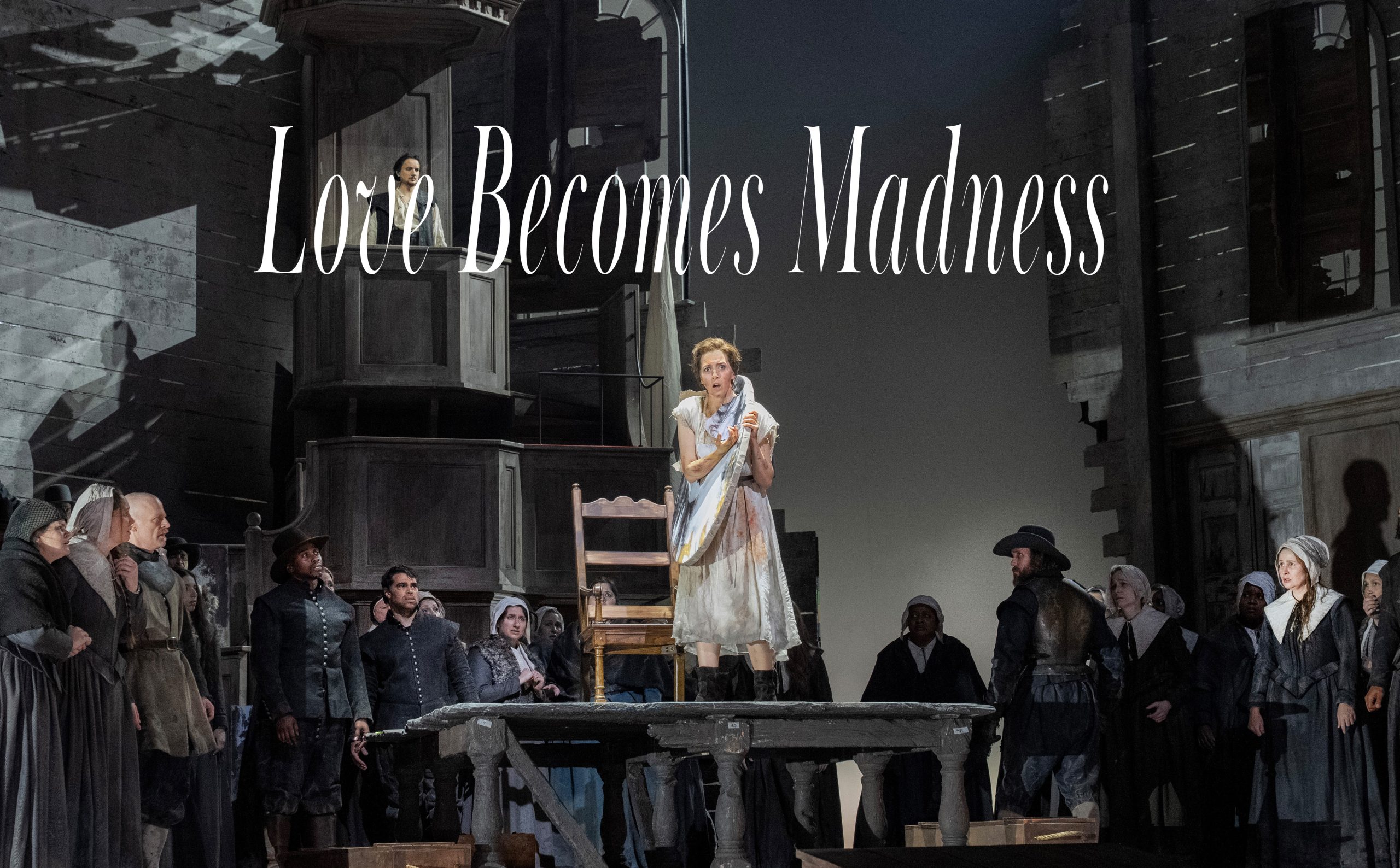
A large mirror dominating the Act 1 stage during an aristocratic gathering shows how the ruling class sees only itself and is blind to the suffering beyond its walls.
Piotr Beczała in the title role combines lyrical refinement with amazing spinto strength, particularly in the great arias “Un dì, all’azzurro spazio” and “La nostra morte” (right). Sonya Yoncheva’s Maddalena anchors the emotional core of this Andrea Chenier and her final duet with Beczała is staged with stark simplicity for maximum emotional impact.
The Met’s Andrea Chénier embraces the grand tradition. Its historically grounded staging, clear symbolism, remarkable crowd scenes, and exceptional trio of leading performances allow Giordano’s verismo masterpiece to register with full emotional force. Unlike productions that seek modern relevance through reinterpretation, this revival demonstrates how fidelity to dramatic basics—when combined with first rate singing—always feels urgent and compelling.
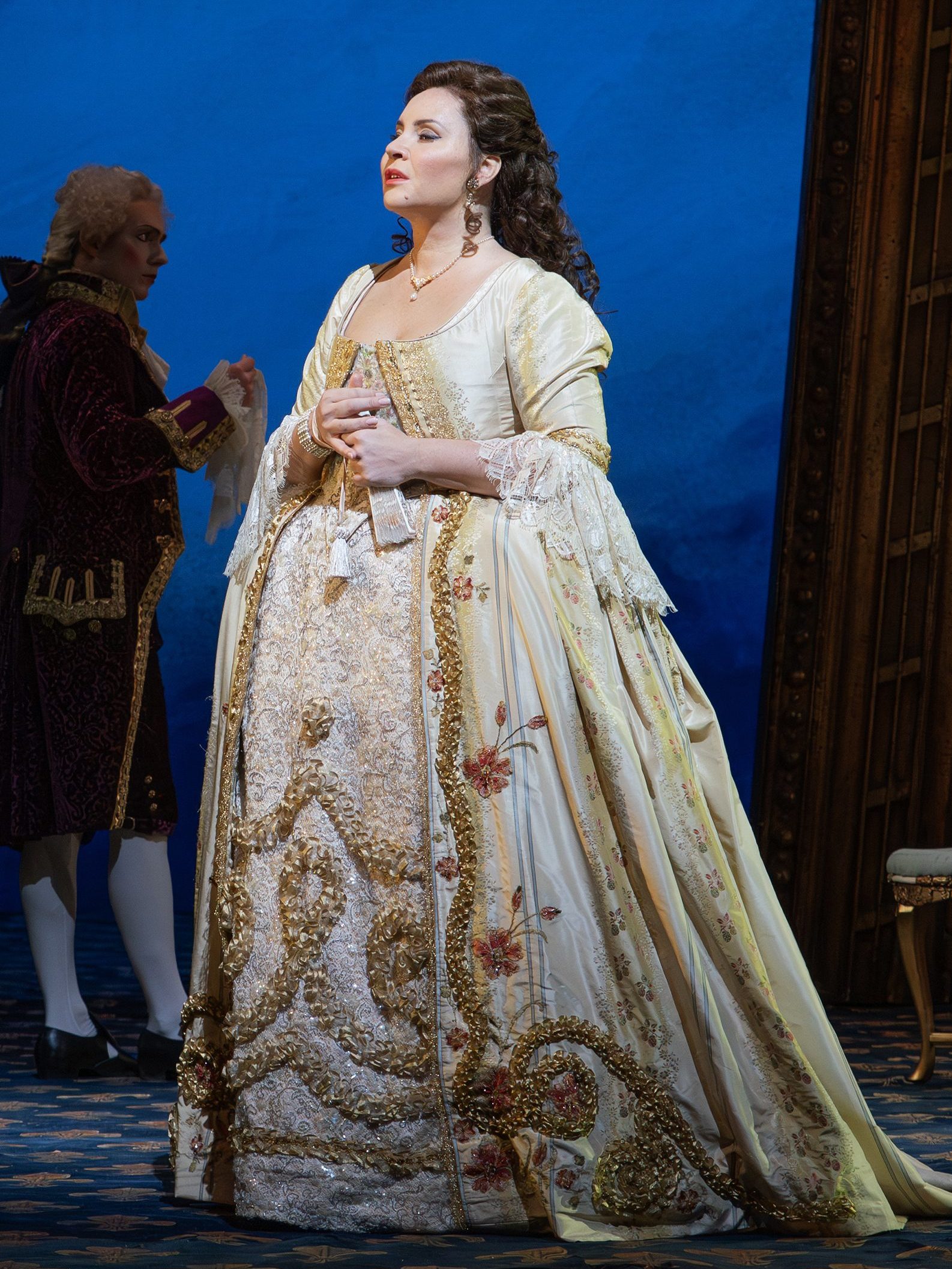
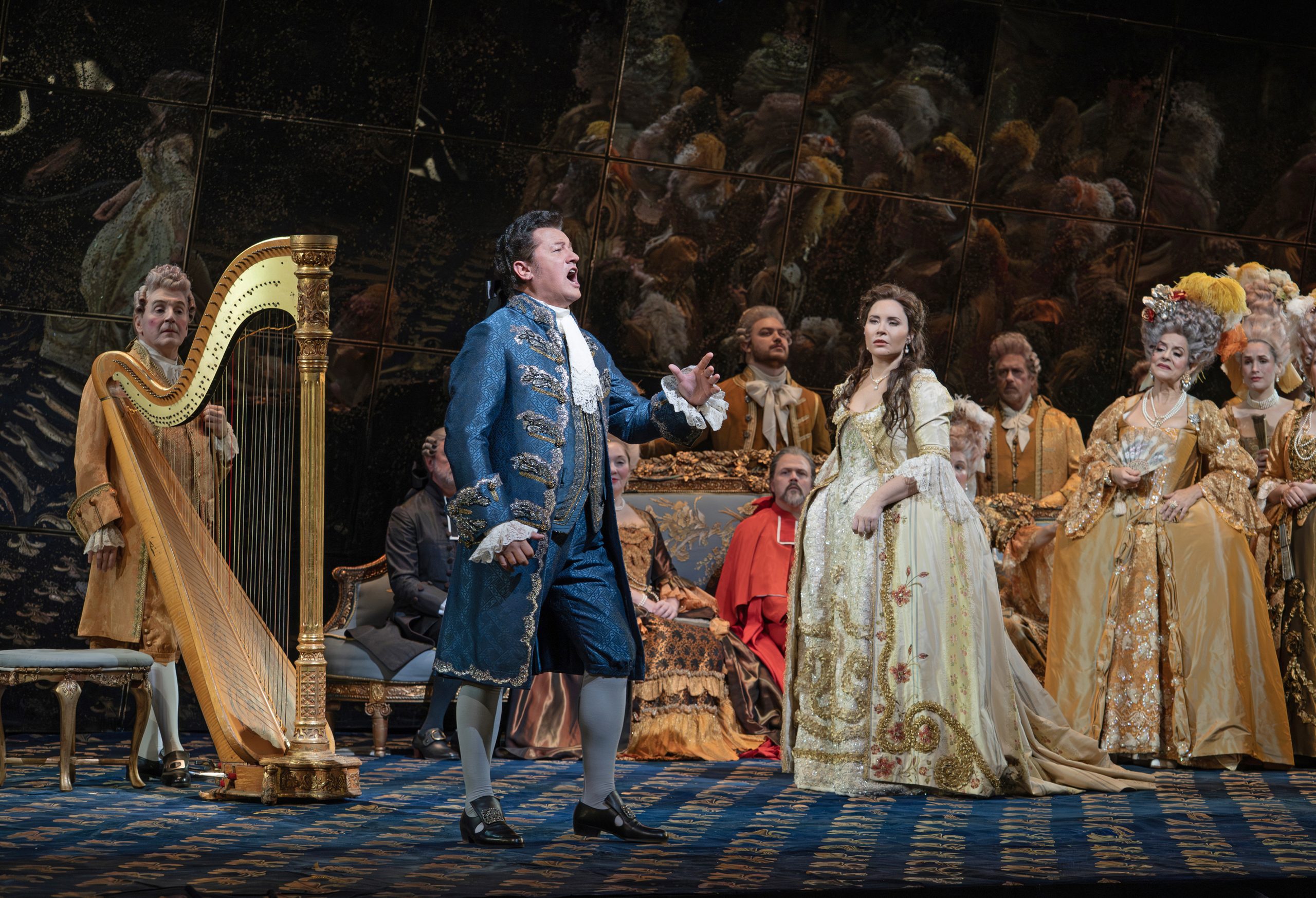
Click the photo above to listen the revolutionary farewell “La nostra morte”
Click the photo to get more about tickets, cast and synopsis.
Vincenzo Bellini
I Puritani
2 May 2026, 3:15pm, MOViE MOViE Pacific Place
17 May 2026, 3:15pm, Premiere Elements
6 June 2026, 3:00pm, Emperor Cinemas (Entertainment Building)
12 September 2026, 4:00pm, Ladies’ Recreation Club (10 Old Peak Road)
Love overwhelms the self
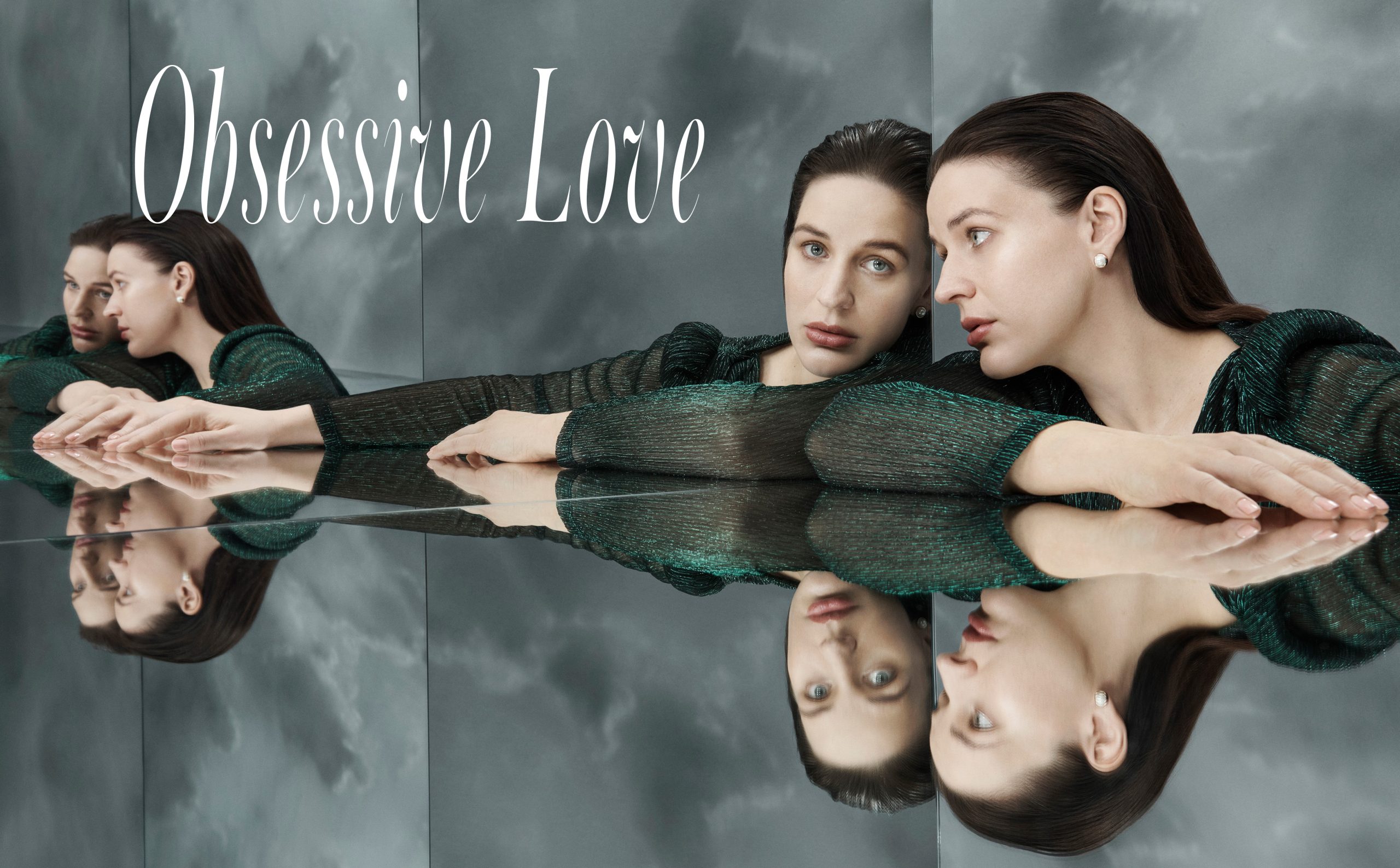
In I Puritani, love is capable of destroying the mind itself. Elvira’s love for Arturo is so absolute that when he disappears—apparently betraying her on their wedding day—her reason collapses. Bellini treats this not as weakness but as proof of the depth of her emotional commitment. Elvira’s madness is not a plot device to generate sympathy; it is the logical consequence of loving without reservation in a rigid political world. When Arturo returns, risking death for both love and political loyalty, the opera affirms the belief that sanity, identity, and even life itself are secondary to emotional truth. Love here is a force that overwhelms the self, not something the self controls.
Sung in Italian with English Subtitles
Approx. 4 hrs 2 mins with 1 intermission
Conductor
Marco Armiliato
Production
Charles Edwards
Elvira
Lisette Oropesa
Arturo
Lawrence Brownlee
Riccardo
Ricardo José Rivera
Giorgio
Christian Van Horn
Live in HD Director
Habib Azar
Live in HD Host
Ailyn Pérez
Set Designer
Charles Edwards
Lighting Designer
Tim Mitchell
Costume Designer
Gabrielle Dalton
A long-awaited Met new production
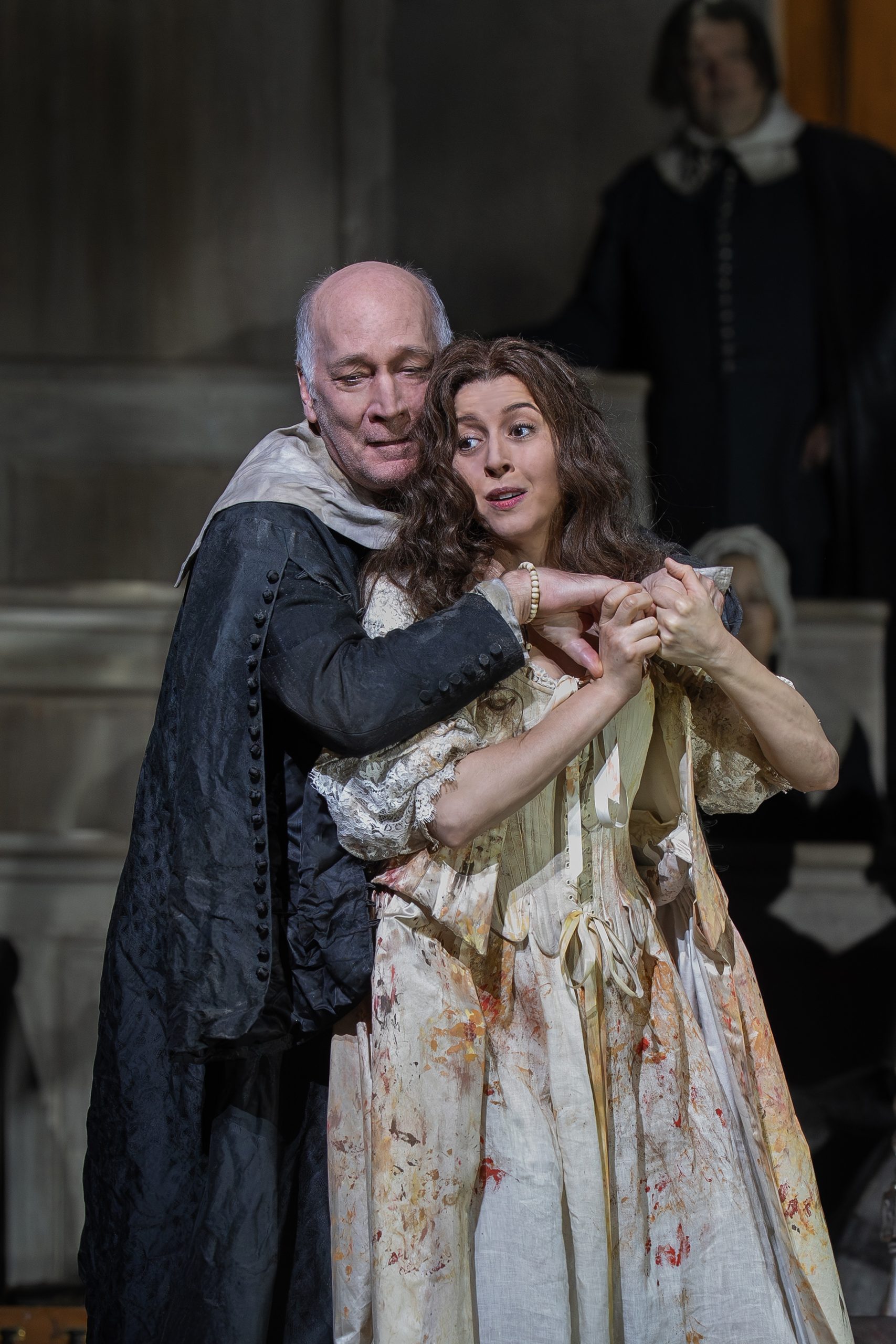
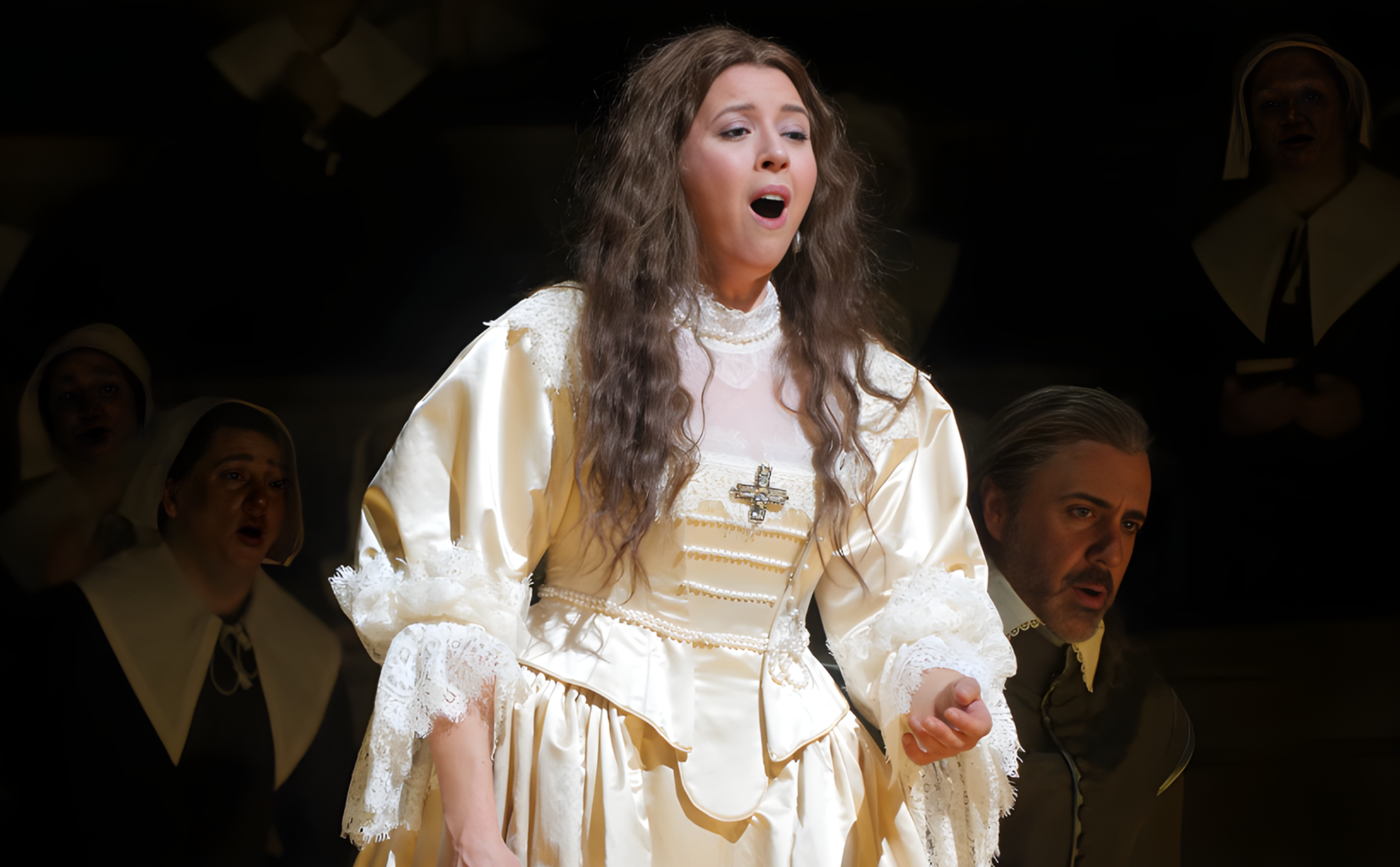
This I Puritani marks the Met’s first new production of Bellini’s final opera in more than 50 years, making it a major event. The work was long associated at the Met with traditional star vehicles—most famously Joan Sutherland—and has been rarely revisited because of its extreme vocal demands. Fortunately, this production brings the incomparable Lisette Oropesa to the famously difficult role, and it triumphs with her as Elrira (scan below). Oropesa’s technical security, expressive nuance, and stamina, especially in the extended Act II mad scene “Qui la voce sua soave,” are highly impressive.

An intimate portrait of inner turmoil
In the pit, Marco Armiliato adopts a singer centred approach, shaping Bellini’s long melodic lines with flexibility and restraint. The orchestra remains always responsive, allowing the vocal writing—rather than orchestral colour—to drive expression.
The staging, directed by Charles Edwards, consciously positions itself as a “retro” move: not a radical update, but a visually sober re engagement with Bellini’s bel canto world. Elvira’s madness is central to I Puritani, and Edwards makes it unusually explicit. Ghostly doubles, green tinged lighting, and recurring visual motifs (including younger versions of Elvira and Arturo) reveal her inner turmoil. The production treats Elvira’s psychological disintegration as the opera’s core dramatic engine. This creates an intimate personal insight into one of the world’s great political events, England’s Glorious Revolution. Scan and watch Lisette Oropesa masterfully embodying Elvira’s psychological descent.
Finest bel canto singing in years at the Met
Artistically, this production pairs some of the fi nest bel canto singing heard at the Met in years with a staging that anchors Bellini’s romantic fantasy in historical relevance. The production reasserts Puritani as a formidable vocal and dramatic challenge and confi rms why, when cast at this level, it remains one of bel canto’s supreme achievements. Scan and watch Lisette Oropesa and Artur Ruciński conquer Act I’s “Oh vieni al tempio, fedele Arturo” above.
Click the photo to learn more about tickets, cast and synopsis.
Wagner
Tristan und Isolde
5 September 2026, 3:40pm, Emperor Cinemas (Entertainment Building)
25 October 2026, 1:20pm, MOViE MOViE Pacific Place
31 October 2026, 3:00pm, Ladies’ Recreation Club (10 Old Peak Road)
15 November 2026, 1:20pm, Premiere Elements
Tristan‘s triumphant return to the Met
Richard Wagner’s Tristan und Isolde occupies a special place in operatic history. Since its premiere in Munich in 1865, it has been regarded less as a conventional opera than as a radical rethinking of what musical drama could be. The work’s near-continuous musical flow, its rethinking of tonal harmony, and its philosophical focus on love and death as metaphysical states mark a decisive break from earlier Romantic opera. At the Metropolitan Opera, Tristan has long functioned as a touchstone for artistic ambition, with each new production implicitly measured against legendary past performances and stagings. The 2026 season marks Tristan’s return to the Met after a decade-long absence, and the Met framed this revival as a flagship event. The combination of a new production, a celebrated cast, and the involvement of Music Director Yannick Nézet-Séguin ensured that expectations were exceptionally high from the outset.
Sung in German with Chinese and English Subtitles
Approx. 5 hrs 27 mins with 2 intermissions
Conductor
Yannick Nézet-Séguin
Production
Yuval Sharon
Isolde
Lise Davidsen
Brangäne
Ekaterina Gubanova
Tristan
Michael Spyres
Kurwenal
Tomasz Konieczny
King Marke
Ryan Speedo Green
Set Designer
Es Devlin
Lighting Designer
John Torres
Costume Designer
Clint Ramos
More than just an opera stage
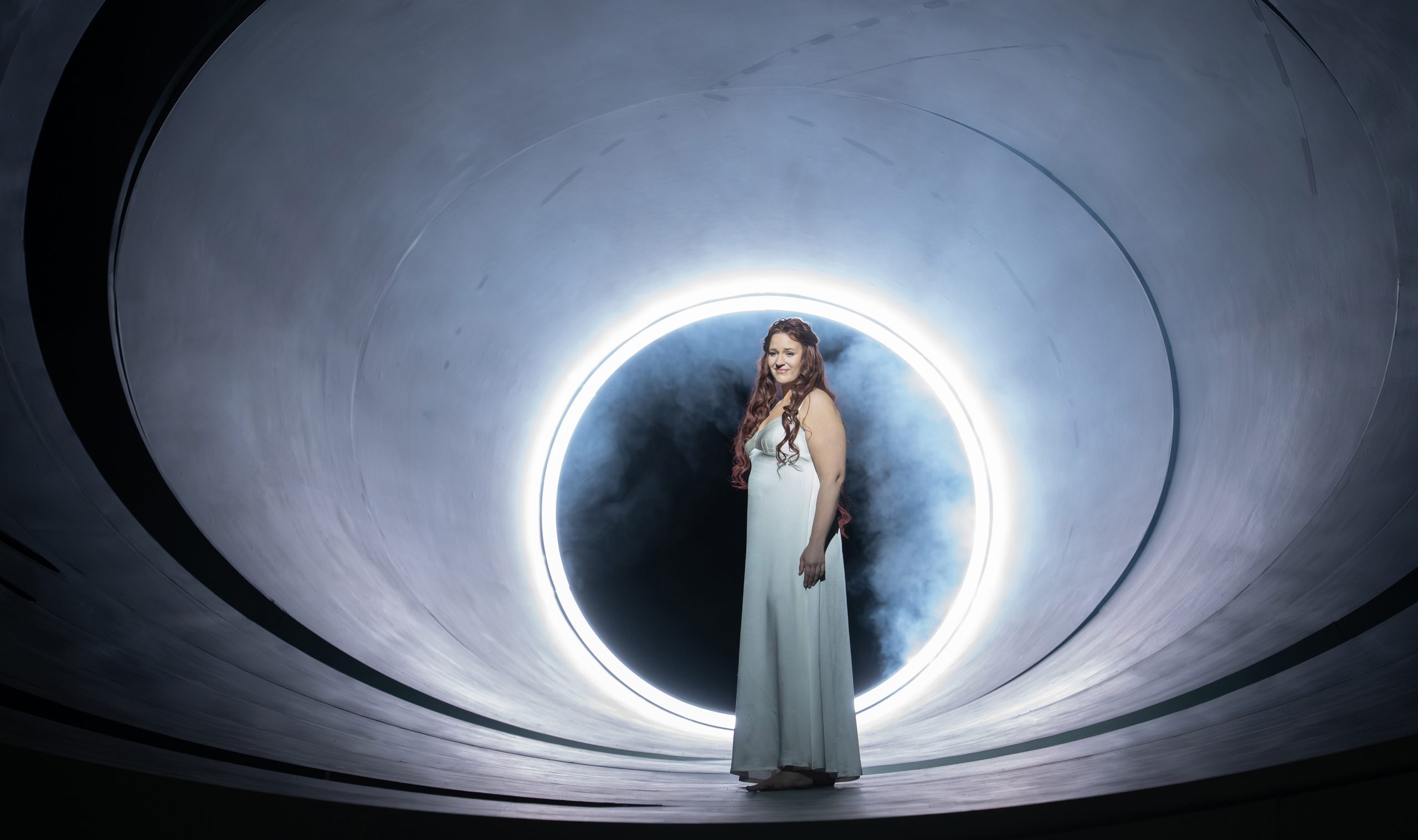
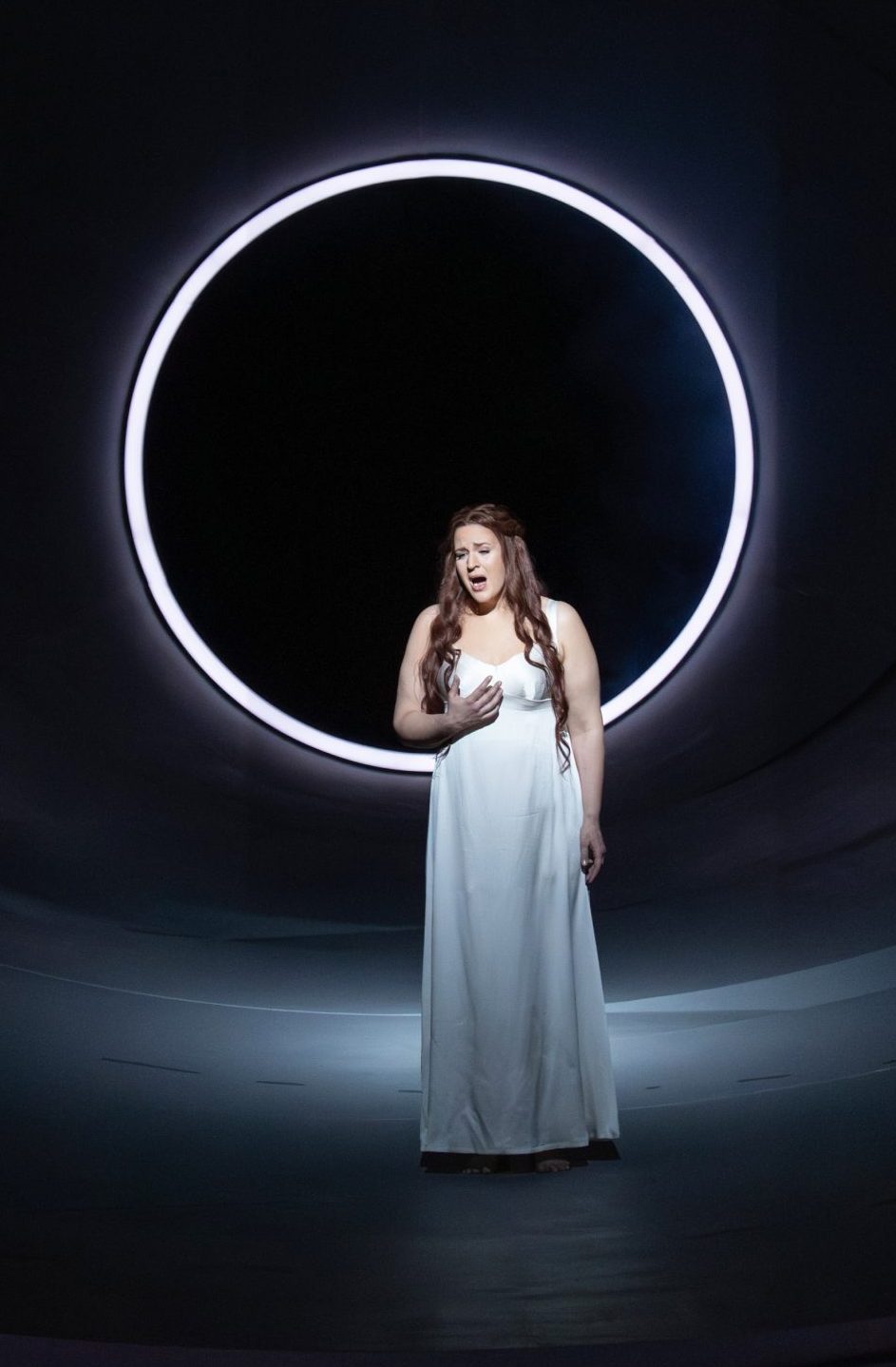
Throughout the production, the set opens, contracts, and transforms, sometimes framing the singers within elevated cylindrical platforms, sometimes dissolving into projected imagery. This visual language aims to represent states of consciousness—desire, suspension, annihilation—rather than physical locations. Sharon aims for symbolism that is profound without overwhelming Wagner’s music.
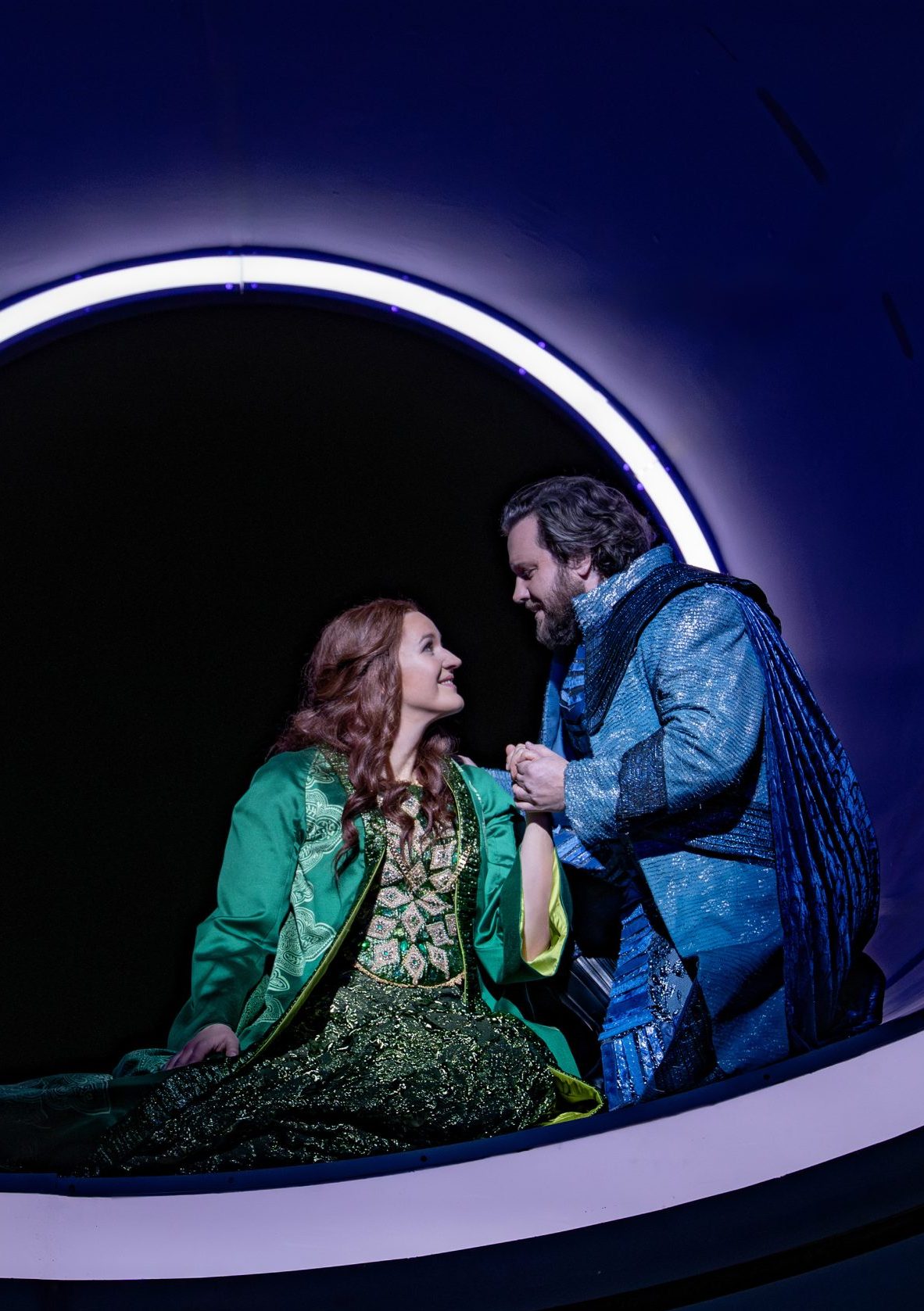
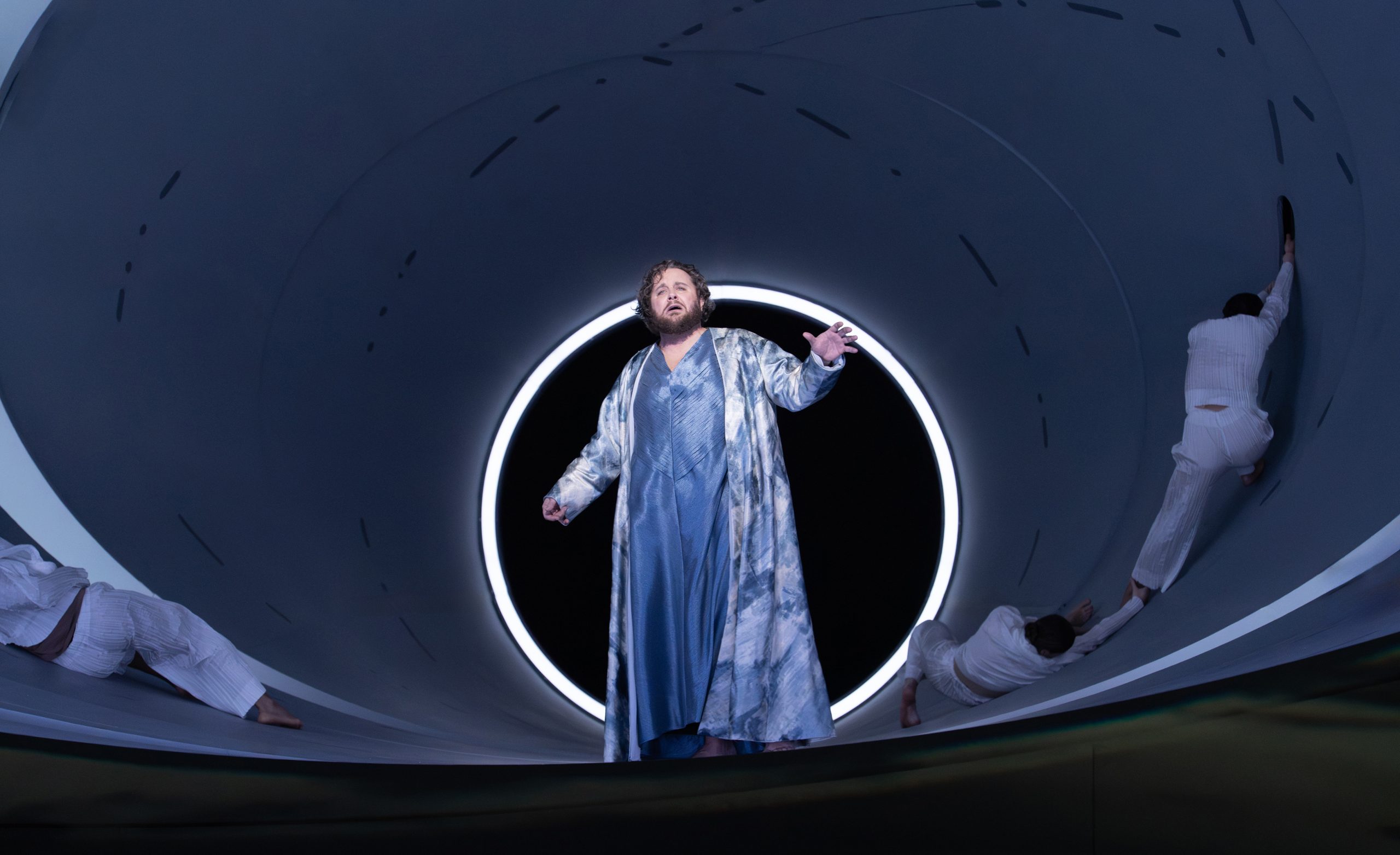
“A pairing that stands with the greats of the past” — The Times (U.K.)
The pairing of Davidsen and Spyres is perfectly balanced: neither voice overwhelms the other, and their long Act II duet unfolds with an emphasis on mutual listening rather than competition. This equilibrium has been credited with allowing Wagner’s vision of love as annihilation of the self to emerge organically.
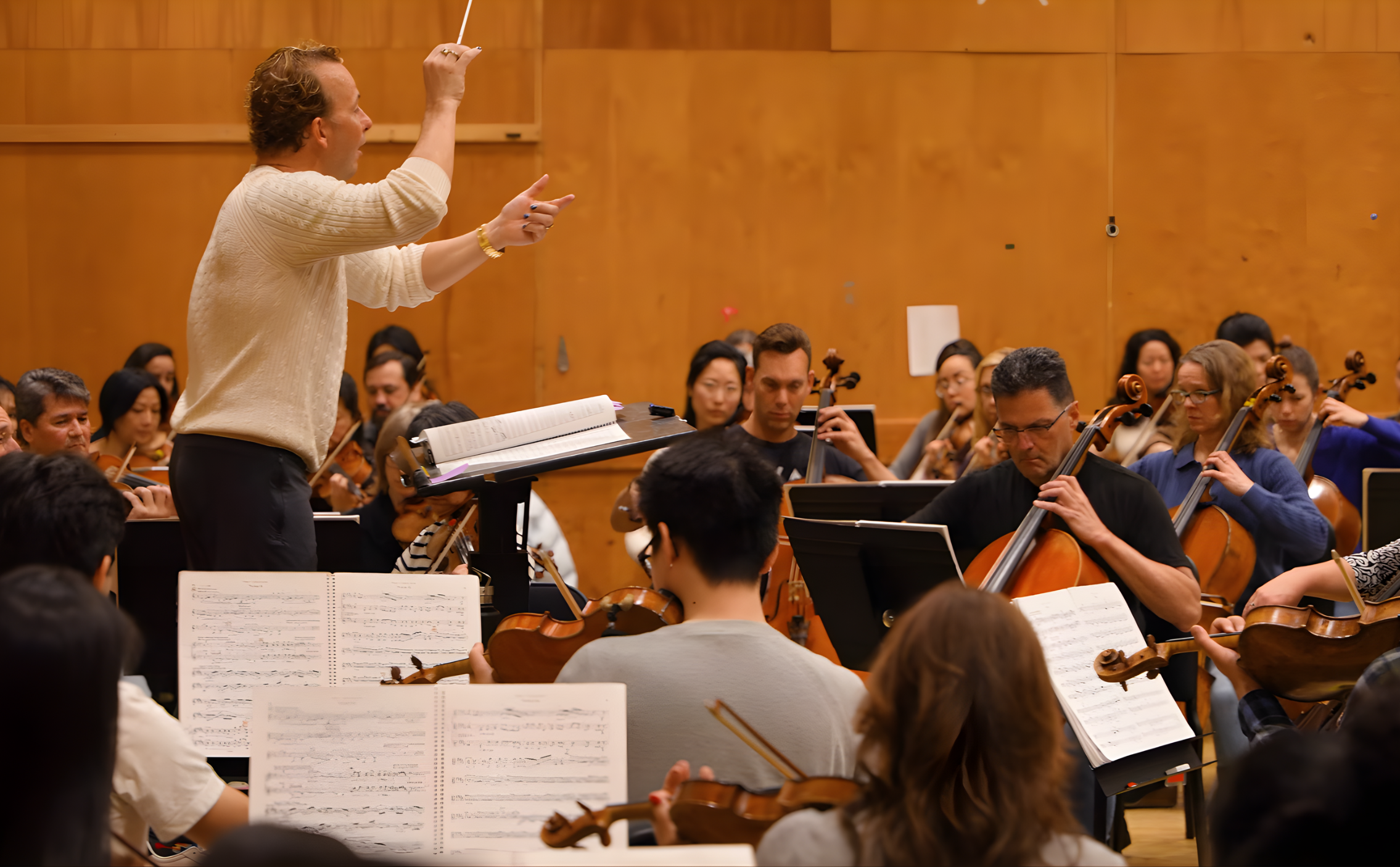
Nézet-Séguin’s orchestral mastery
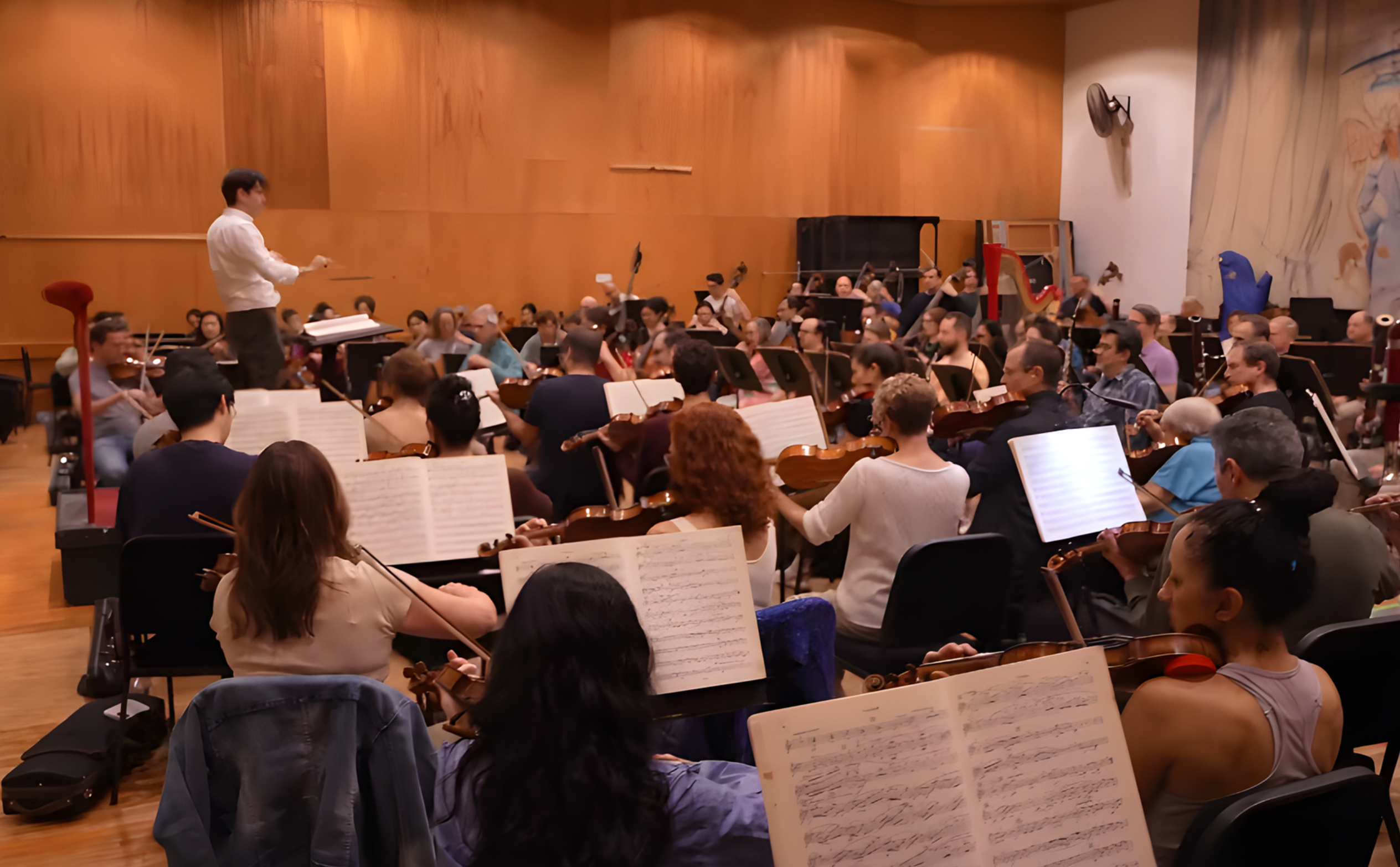
Equally important is Yannick Nézet-Séguin in his first time conducting Tristan und Isolde at the Met. His handling of Wagner’s vast orchestral architecture strikes a balance between luminous brilliance and structural control. The famous Prelude unfolds with patient inevitability, while climaxes are allowed to grow without forcing tempo or volume.
After hearing this masterpiece, you might conclude that it was ultimately the orchestra— under Nézet-Séguin’s guidance—that provided the evening’s deepest and most profound expression of Wagner’s genius. In this production, Tristan and Isolde is a catalyst for emotional transformation through music. Click the photo above to watch the gripping Met Orchestra rehearsal of Isolde’s “Liebestod” under his lead.
There is near-unanimous agreement that Lise Davidsen’s Isolde anchors the production at the highest musical level. Her assumption of the role as a landmark event is due to the sheer amplitude, steadiness, and radiance of her soprano across the opera’s punishing length.
Love in Wagner’s opera is taken very seriously
The way love is portrayed in opera shows us how seriously earlier generations took emotional commitment. Lovers in opera do not casually “move on.” Tristan and Isolde choose death over separation. These outcomes are not tricks designed to produce tears. They bring to life a real world in which love is inseparable from a person’s identity. To lose love is to lose yourself.
Entertainment nowadays on TV and in films often avoids this extreme because it is unsettling; opera embraces it because in this world of emotional intensity, it is real truth.
Opera’s original audiences wanted to see this intensity on stage because life at the time was often precarious. With this pedigree, opera offers valuable direction finders to help us living in our own time cope with the crises of pandemics, political upheaval, and economic instability.
When life all around you is breaking down, love could genuinely feel like the one experience worth risking everything for. When operatic characters declare they would rather die than live without love, they are not exaggerating. They are stating that emotional fulfilment justifies ultimate sacrifice. This perspective is sometimes difficult for modern audiences, raised on therapeutic language and emotional self-preservation, but it offers a powerful perspective for our times too.
When opera’s lovers suffer, the music tells us that their pain is enormous. Long melodic lines, unresolved harmonies, and repeated musical phrases force the listener to remain inside a powerful emotional state rather than escape it.
Click the photo to get more about tickets, cast and synopsis.
Tchaikovsky
Eugene Onegin
6 September 2026, 1:45pm, MOViE MOViE Pacific Place
27 September 2026, 1:45pm, Premiere Elements
18 October 2026, 2:40pm, MCL Cinemas (K11 Art House)
24 October 2026, 2:20pm, Emperor Cinemas (Entertainment Building)
29 November 2026, 4:00pm, Ladies’ Recreation Club (10 Old Peak Road)
Love arrives too early, regret too late
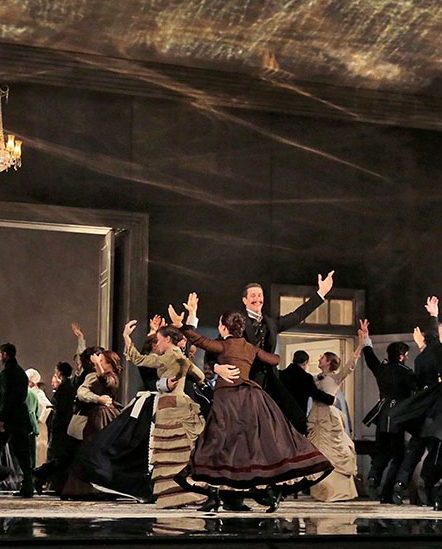
Eugene Onegin presents a quieter but no less devastating form of love. Tatiana’s youthful confession of love is sincere, unguarded, and life defining; Onegin’s rejection wounds her not merely emotionally but existentially. Years later, when Onegin finally recognizes the depth of what he lost, Tatiana refuses him—not because she no longer loves him, but because love carries moral consequences. Tchaikovsky’s tragedy lies in emotional timing: love arrives too early, regret too late. No one dies, yet the emotional damage is permanent. Romantic opera here teaches that love can ruin lives without bloodshed, and that emotional seriousness sometimes demands renunciation rather than fulfilment.
Sung in Russian with Chinese and English Subtitles
Approx. 4 hrs 20 mins with 2 intermissions
Conductor
Timur Zangiev
Production
Deborah Warner
Tatiana
Asmik Grigorian
Olga
Maria Barakova
Filippyevna
Larissa Diadkova
Lenski
Stanislas de Barbeyrac
Eugene Onegin
Iurii Samoilov
Prince Gremin
Alexander Tsymbalyuk
Set Designer
Tom Pye
Lighting Designer
Jean Kalman
Costume Designer
Chloe Obolensky
Onegin‘s harvest whirl
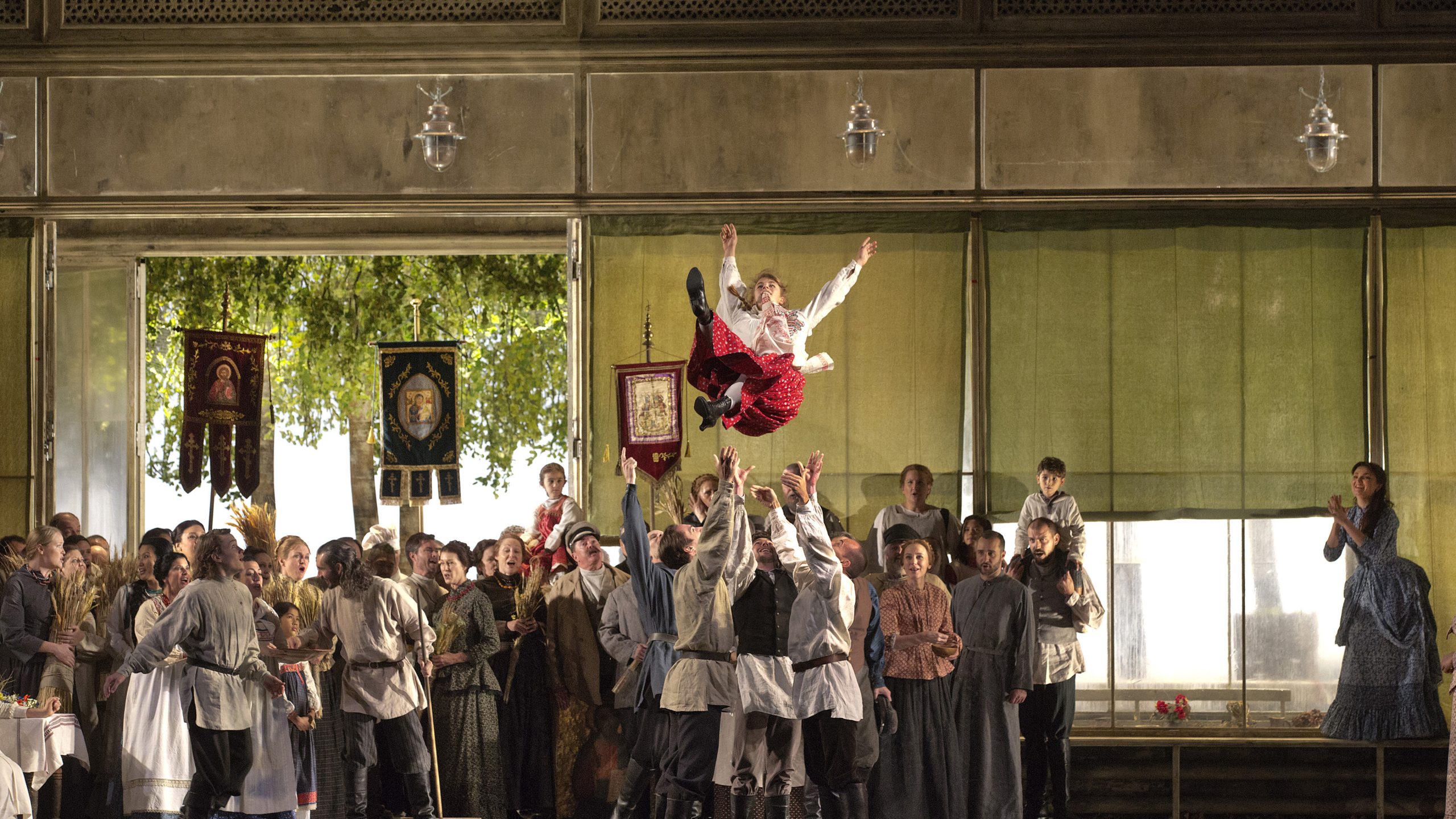
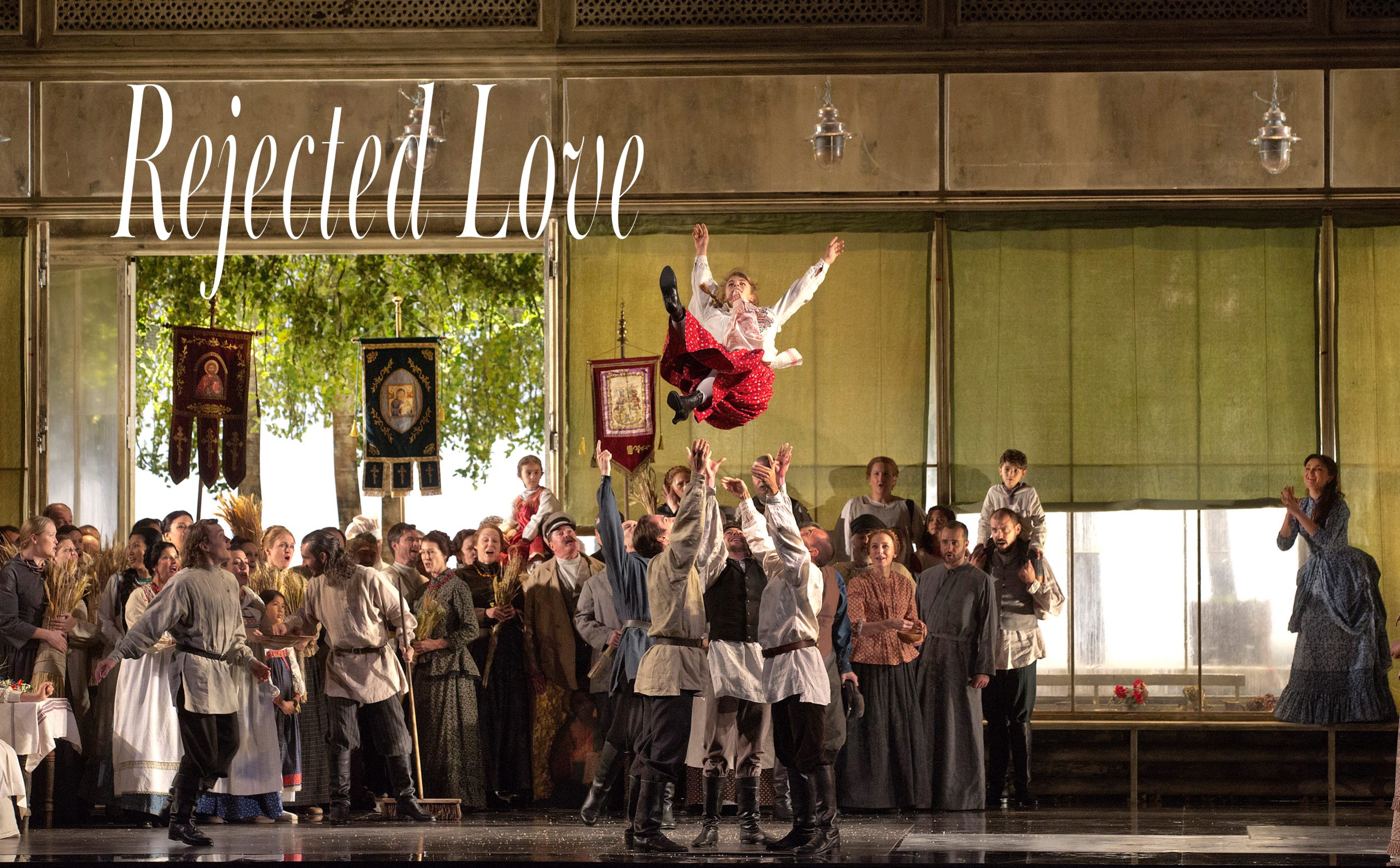
The traditional khorovod or circle dance (below) is performed by the peasants in Eugene Onegin. This celebration at the end of the harvest is a dramatic contrast to the quiet, introspective opening duet between the sisters, Olga and Tatiana, and foreshadows the coming song about a maiden encountering a stranger, used by Tchaikovsky to symbolize the disruption coming in Tatiana’s life caused by the arrival of Onegin.
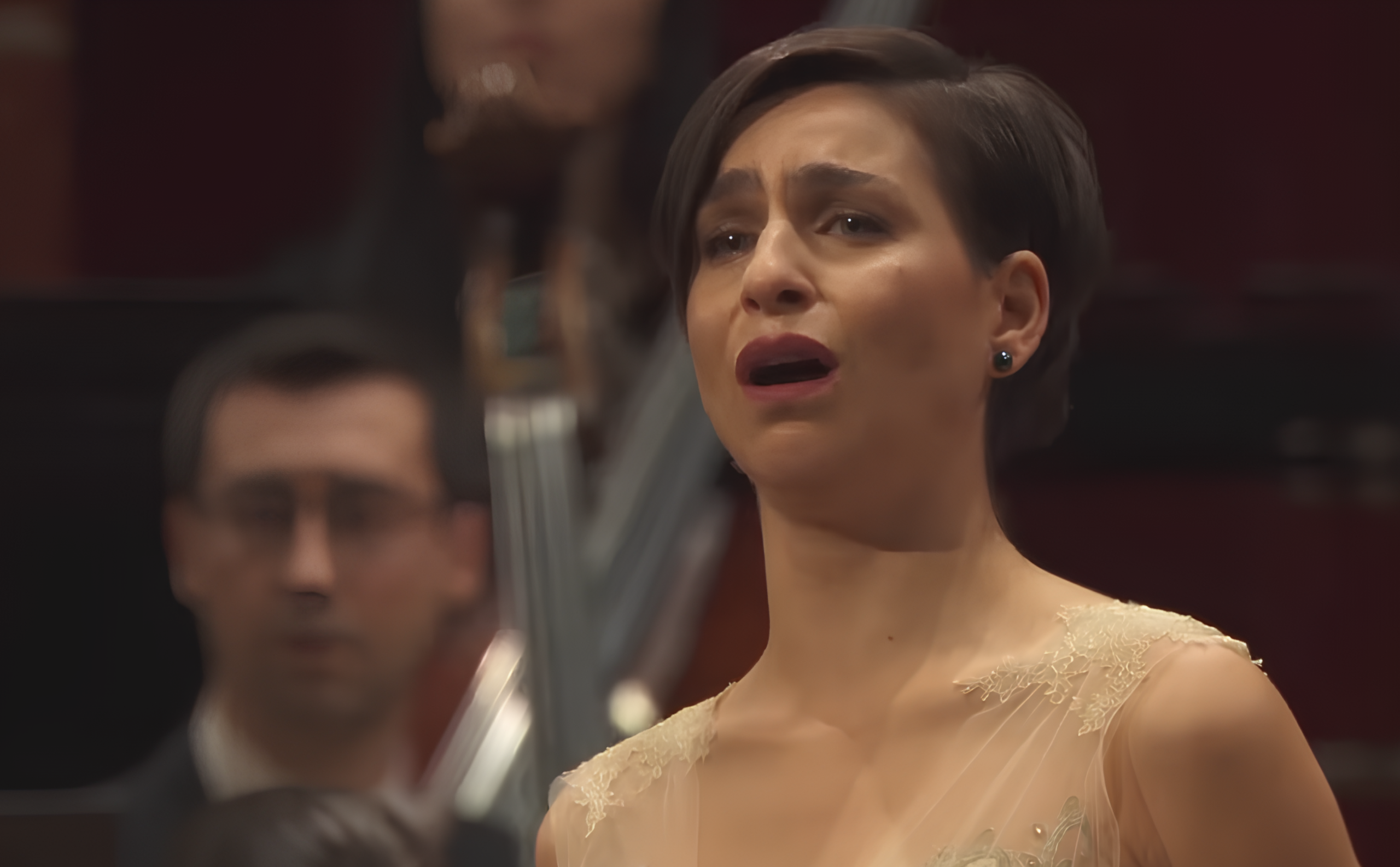
Tatiana’s letter scene: one of the opera’s ultimate heartbreak arias
A very special highlight of this production is Asmik Grigorian’s Tatiana. Following her acclaimed Met debut in Madama Butterfly, her intensity and realism once again electrify the stage. Grigorian’s letter scene is explosive and her transformation from inward, impulsive adolescent to emotionally controlled adult is powerful and heart-rending.
Deep in the moonlit night, Tchaikovsky’s Tatiana reveals her soul to cold Onegin—”I love you” blazing from a shy girl’s hidden fire in one of opera’s most intimate, devastating arias. The Letter Scene demands a soprano’s full emotional arsenal: quivering vulnerability morphs into desperate abandon across a vast dynamic range and stratospheric high notes. Met singing legend Renee Fleming, who famously sang the role with the late Vladimir Hvoroskovsky, calls it “the ultimate emotional tightrope.”
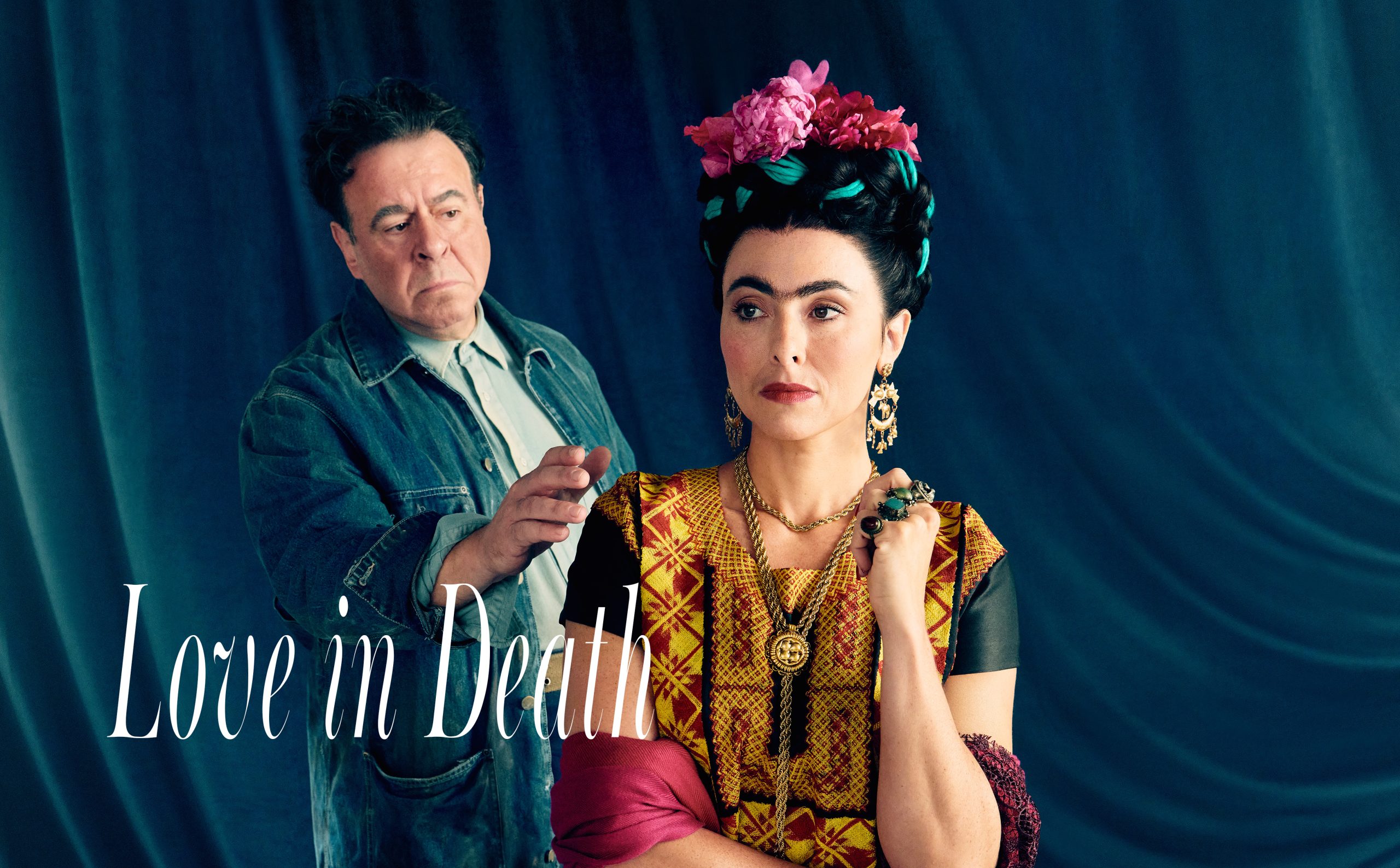
in Deborah Colker’s vibrant new production Frank’s El Último Sueño de Frida y Diego.
Click the photo to get more about tickets, cast and synopsis.
Gabriela Lena Frank
El Último Sueño
de Frida y Diego
11 October 2026, 4:00pm, Premiere Elements
5 December 2026, 3:10pm, Emperor Cinemas (Entertainment Building)
A pop culture icon comes to the Met stage
Frida Kahlo (1907-1954) is the world’s most expensive female artist at auction. Her painting “The Dream (The Bed)” sold for $54.7 million. The Met’s take on her life, and afterlife with husband Diego Rivera, is the subject of this stunning new production, El Último Sueño de Frida y Diego (The Last Dream of Frida and Diego). She was famous for her turbulent relationship with her husband Rivera, the renowned muralist, who in this production is sung by the powerful Carlos Álvarez. Today, she’s a pop culture icon whose indigenous fashion and braided hair are propelled by soprano Isabel Leonard onto the Met stage.
Sung in Spanish with English Subtitles
Approx. 3 hrs 3 mins with 1 intermission
Composer
Gabriela Lena Frank
Librettist
Nilo Cruz
Conductor
Yannick Nézet-Séguin
Production
Deborah Colker
Catrina
Gabriella Reyes
Frida
Isabel Leonard
Leonardo
Nils Wanderer
Diego
Carlos Álvarez
Set Designer
Jon Bausor
Lighting Designer
Adam Silverman
Costume Designer
Jon Bausor
Wilberth Gonzalez
Score captures inner storms
The score conveys both the quiet of Frida’s inner self and the emotional storms surrounding her relationship with Diego. At times, the music becomes almost suspended— harmonies slow, rhythms loosen, and the orchestra thins dramatically to evoke Frida’s introspection and calm in the underworld, where she is finally free from physical pain.
When memories of Diego’s infidelity intrude, the music becomes agitated. Frida’s music finds serenity when she is alone with her identity and art. The score thus traces musically what Frida feels.
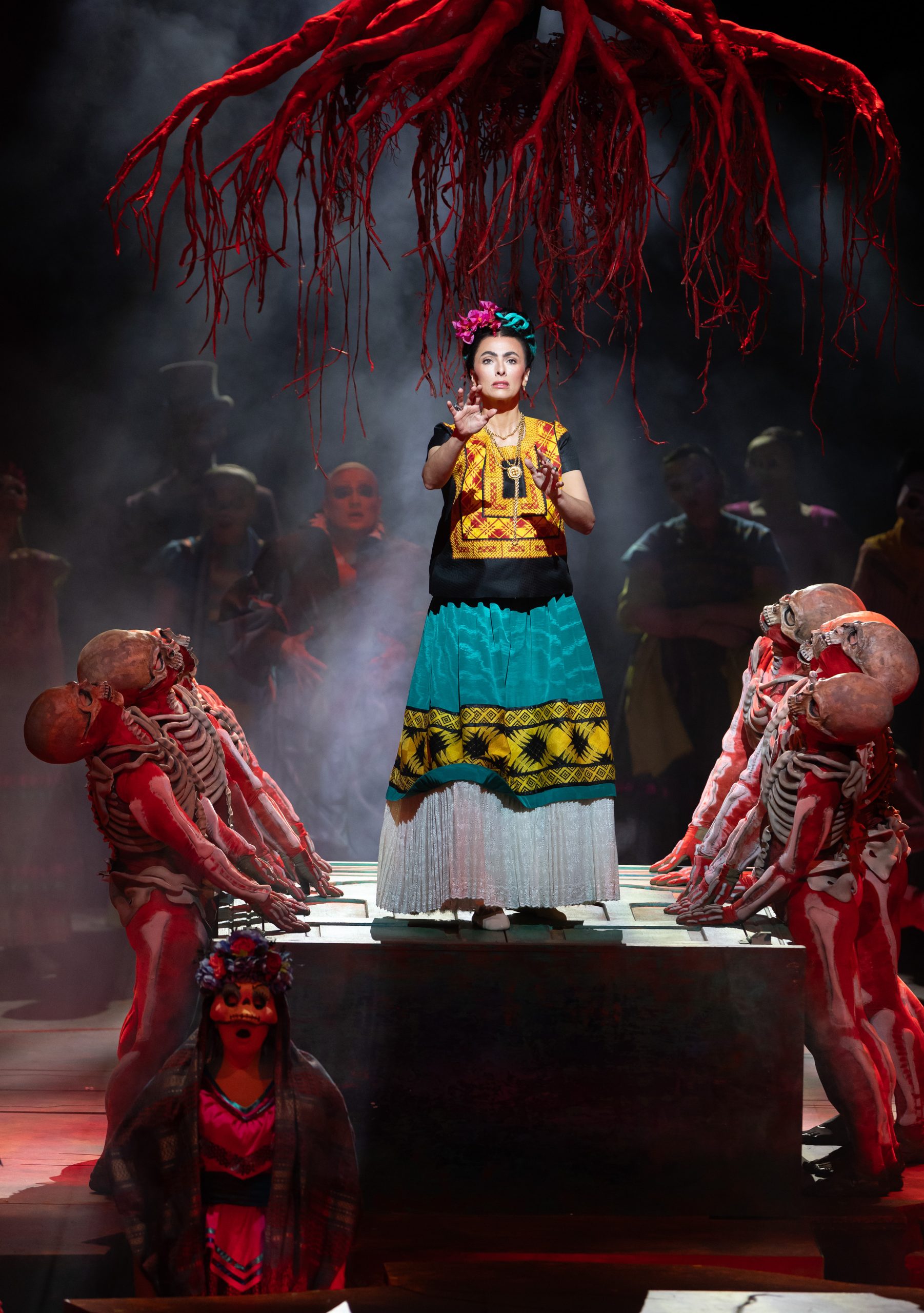
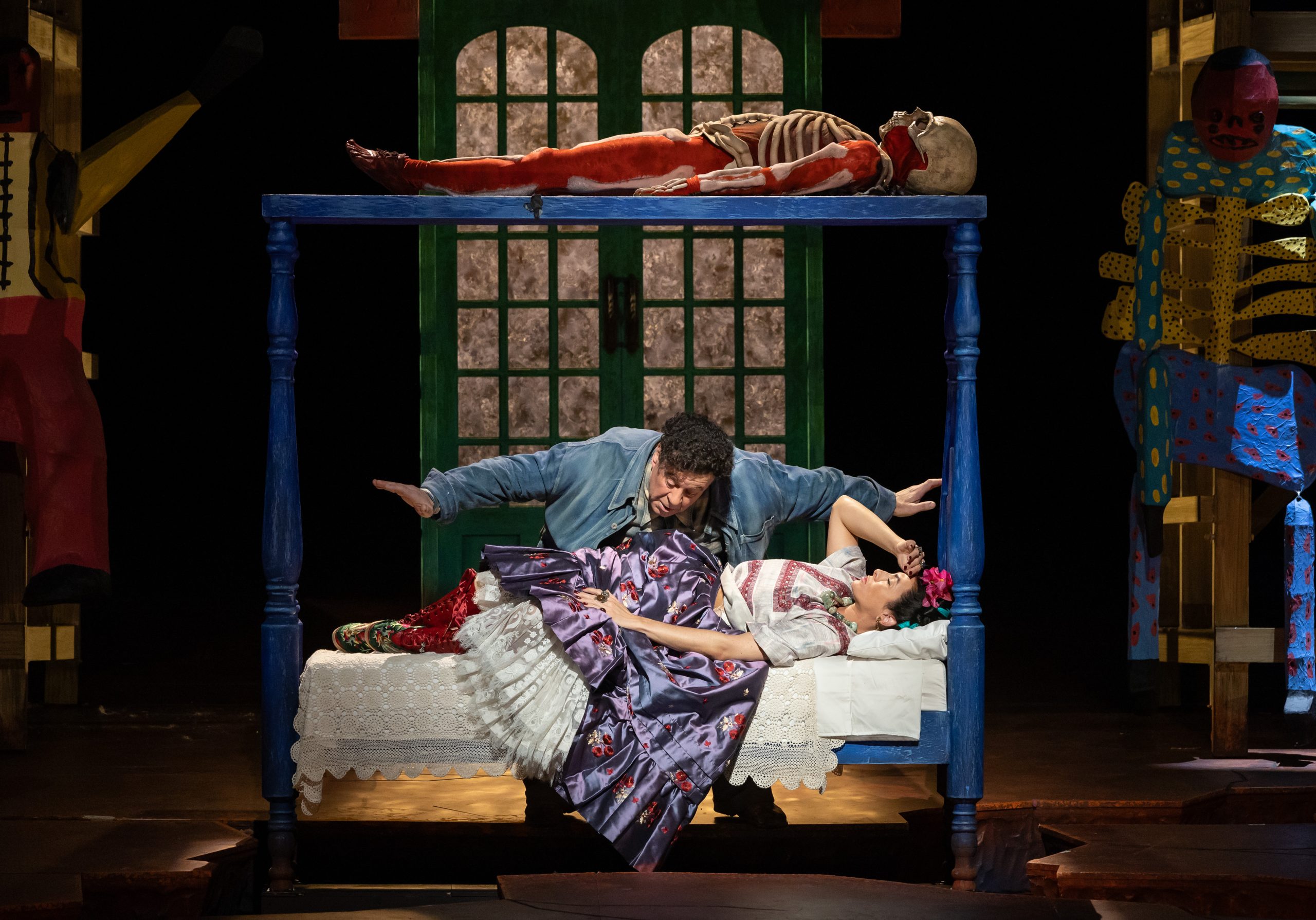
El Último Sueño blends art into an artistic banquet
Kahlo’s life and work stand out not only for their originality, but their refusal to downplay suffering or disguise her damaged body. Kahlo made her physical condition central to her art, long before disability was openly discussed in cultural life. A childhood bout of polio and, more decisively, the catastrophic bus accident she suffered at the age of 18 left her with lifelong pain, repeated surgeries, and periods of confinement to bed.
This new take on the Orpheus and Eurydice story takes place on the Mexican Day of the Dead, when Frida Kahlo returns from the underworld for 24 hours to reunite with Rivera when the couple relive key emotional truths of their relationship—love, betrayal, artistic rivalry, and mutual dependence—before Frida must return permanently to the afterlife.
Yannick Nézet-Séguin conducts the Met premiere of Frank’s opera, a “confident, richly imagined score” (The New Yorker) that “bursts with color and fresh individuality” (Los Angeles Times). The vibrant new production, taking enthusiastic inspiration from Frida and Diego’s paintings, is directed and choreographed by Deborah Colker, following her remarkable 2024 debut staging of Ainadamar.
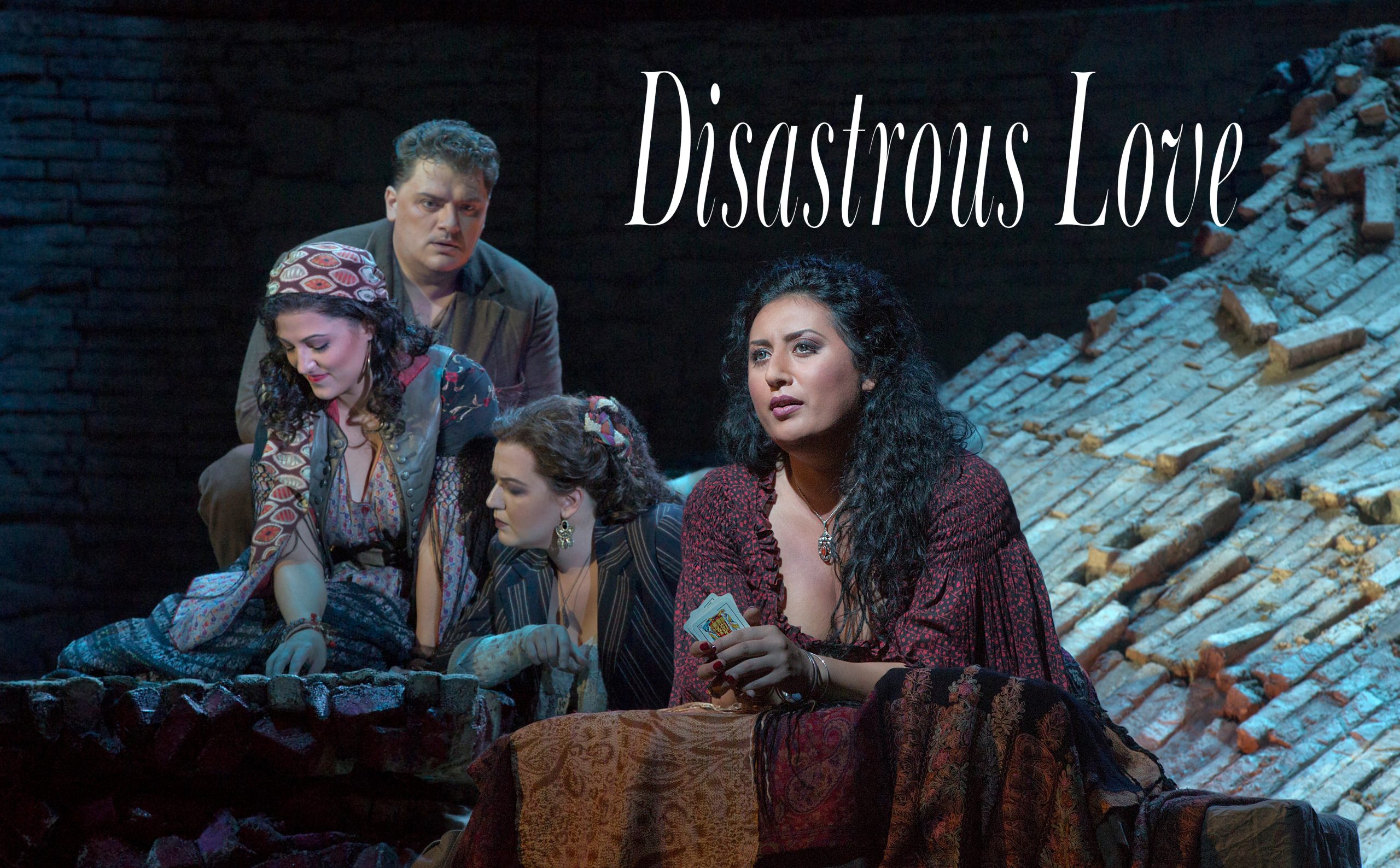
Click the photo to get more about tickets, cast and synopsis.
Georges Bizet
Carmen
25 April 2026, 3:20pm, MCL Cinemas (K11 Art House)
Love can be uncontrollable and fatal
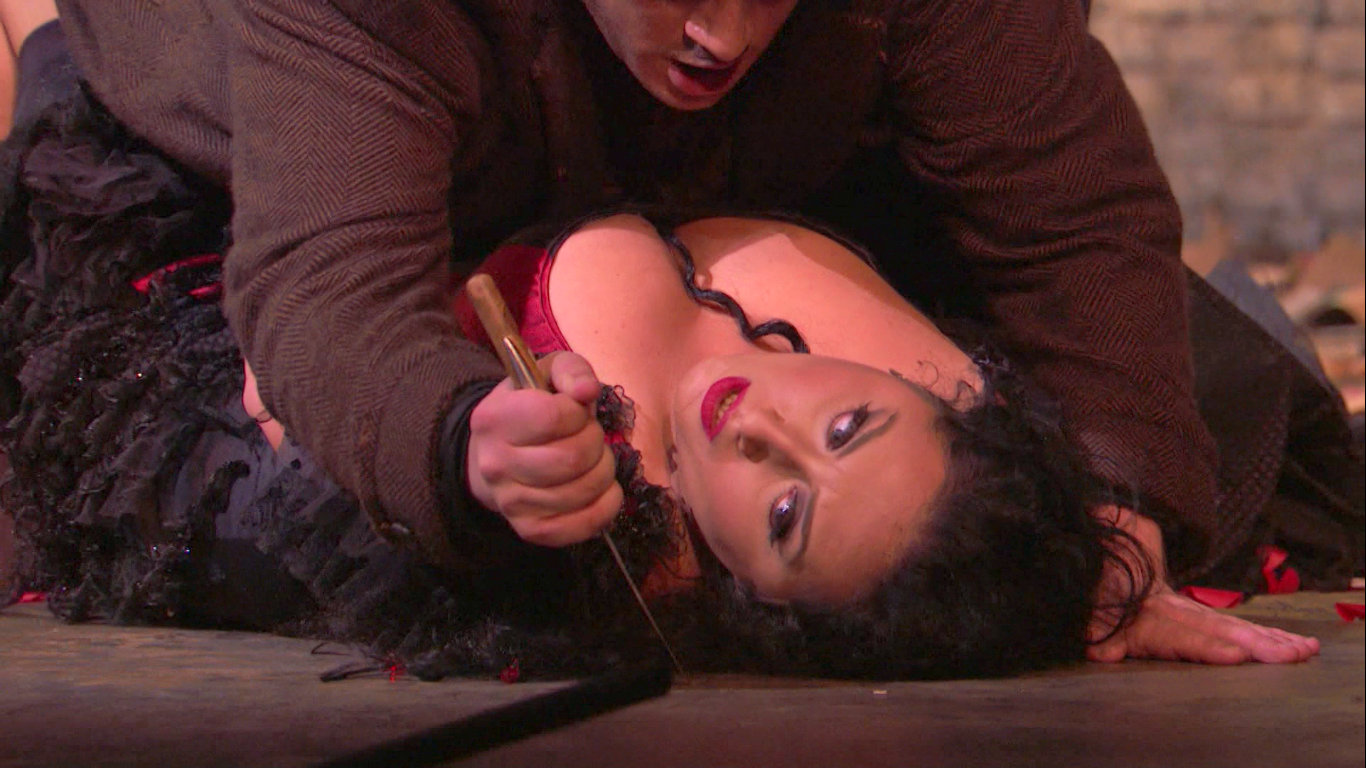
In Carmen, love is explicitly fatal because it is uncontrollable. Carmen refuses to accept love as possession; Don José insists on it. Their conflict shows us when love becomes domination, the result may turn into violence. Carmen would rather die than surrender her freedom, and Bizet makes that choice terrifyingly clear. There is no misunderstanding, no redemption, no softening of the consequences. When Don José kills Carmen, it is not a crime of passion excused by emotion—it is because he cannot tolerate her emotional autonomy. In Carmen’s story we see that love is not automatically noble; its intensity can destroy when not restrained by respect.
Sung in French with Chinese and English Subtitles
Approx. 3 hrs 31 mins with 1 intermission
Conductor
Pablo Heras-Casado
Production
Sir Richard Eyre
Live in HD Director
Matthew Diamond
Live in HD Host
Joyce DiDonato
Carmen
Anita Rachvelishvili
Micaela
Anita Hartig
Don Jose
Aleksandrs Antonenko
Escamillo
Ildar Abdrazakov
Moralès
John Moore
Zuniga
Keith Miller
Frasquita
Kiri Deonarine

Richard Eyre’s masterful theatrical language in Carmen
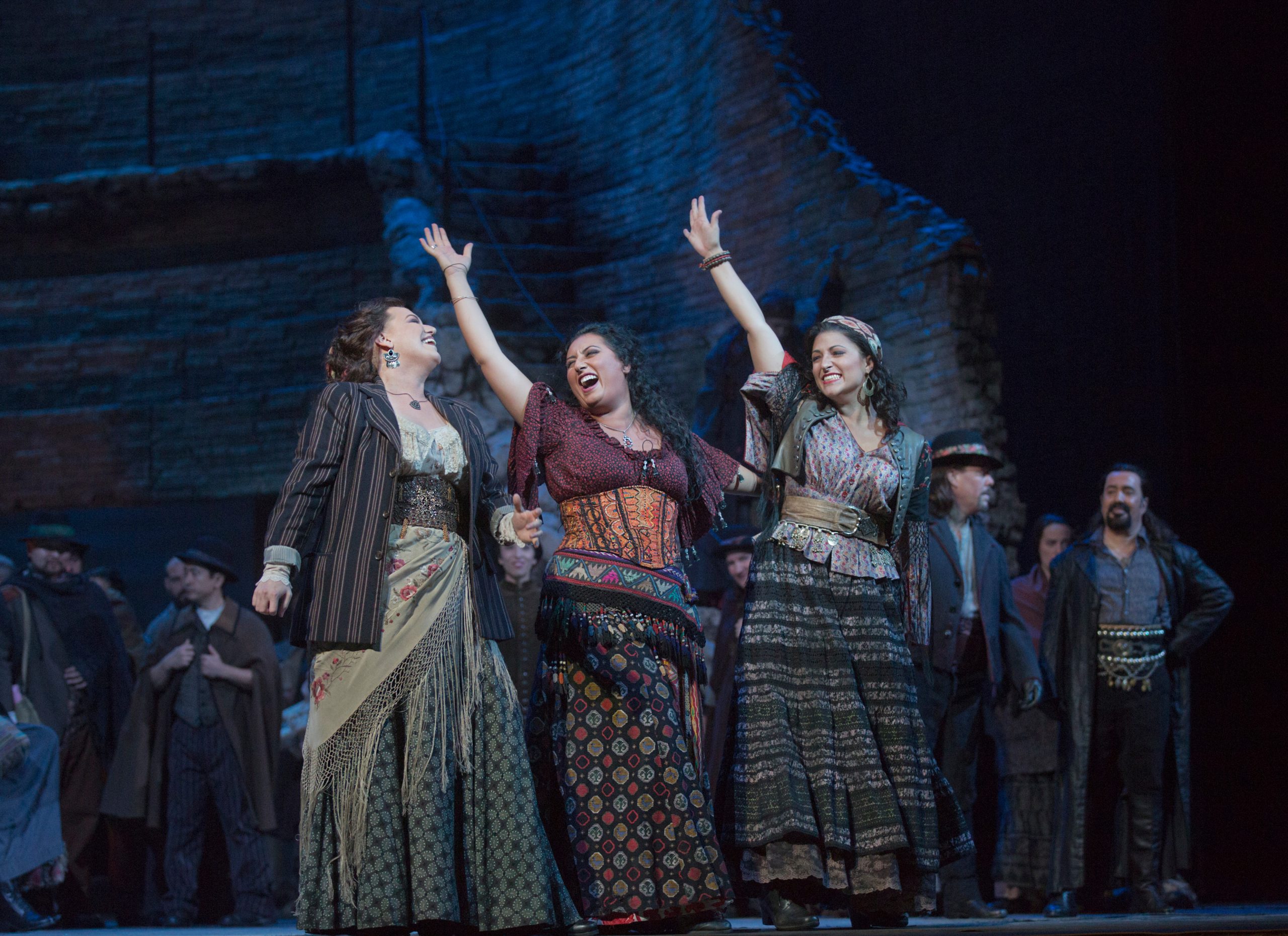
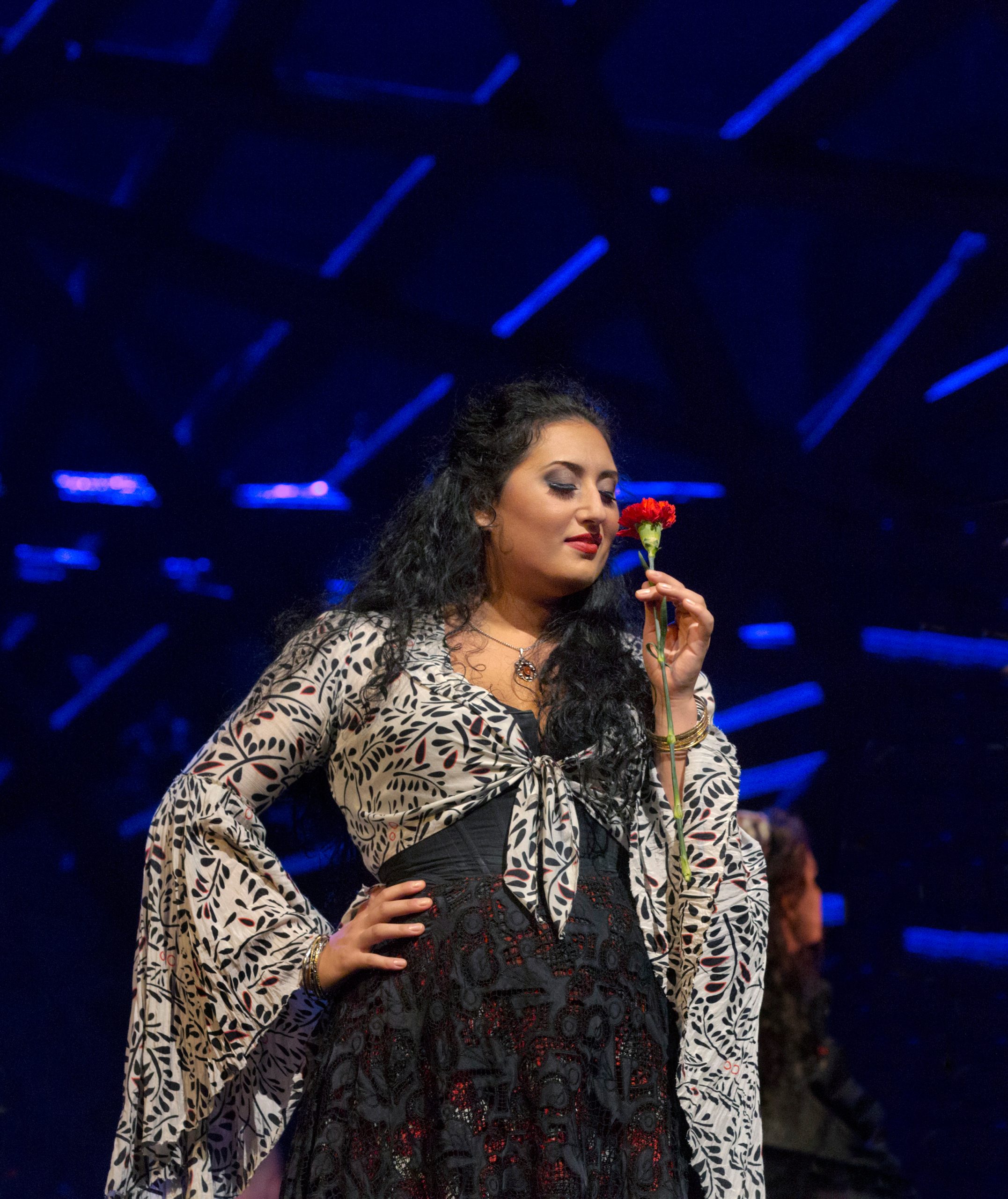
Eyre structures Carmen with brief, stylized danced prologues at the start of each act (above and below). Choreographed by Christopher Wheeldon, these moments function as visceral previews of the emotional terrain to come—sensual, aggressive, and often unsettling. These interludes reinforce the opera’s physicality without distracting from the singers, an approach widely regarded as one of the production’s most effective theatrical devices.
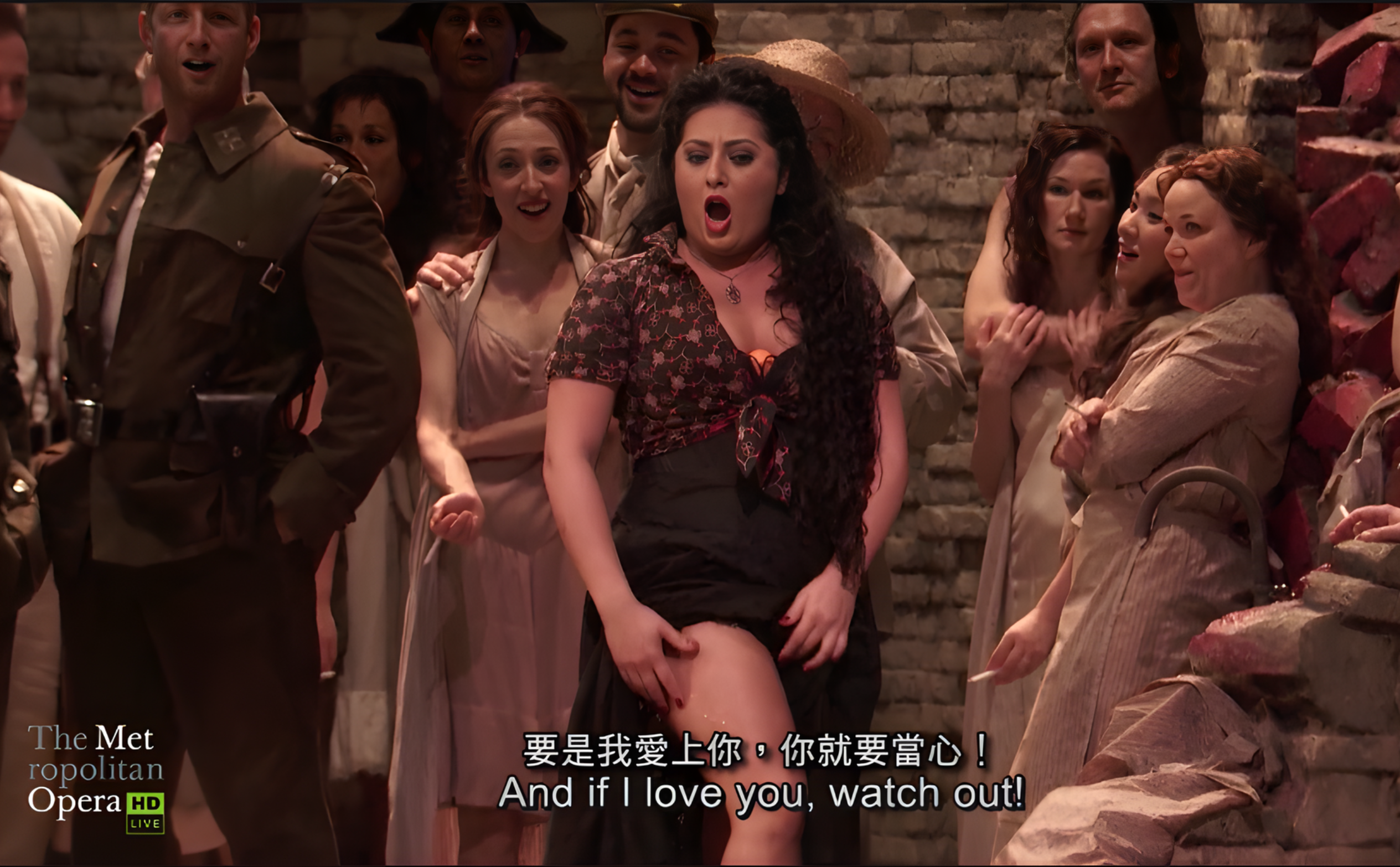
A psychologically grounded,
actor-driven Carmen
Eyre arrived at the Met with formidable credentials. As former artistic director of London’s National Theatre, he was known for psychologically grounded, actor driven storytelling. His Carmen was explicitly conceived not as a radical reinterpretation but as a dramatic clarification—an attempt to strip away exotic cliché and present the opera as a hard, human tragedy about desire, power, and violence. Eyre describes Carmen as an opera about “sex, violence, racism, and freedom,” and his staging took those words seriously.
Click the photo to get more about tickets, cast and synopsis.
Puccini
Madama Butterfly
24 May 2026, 3:45pm, MCL Cinemas (K11 Art House)
She loves with her whole being
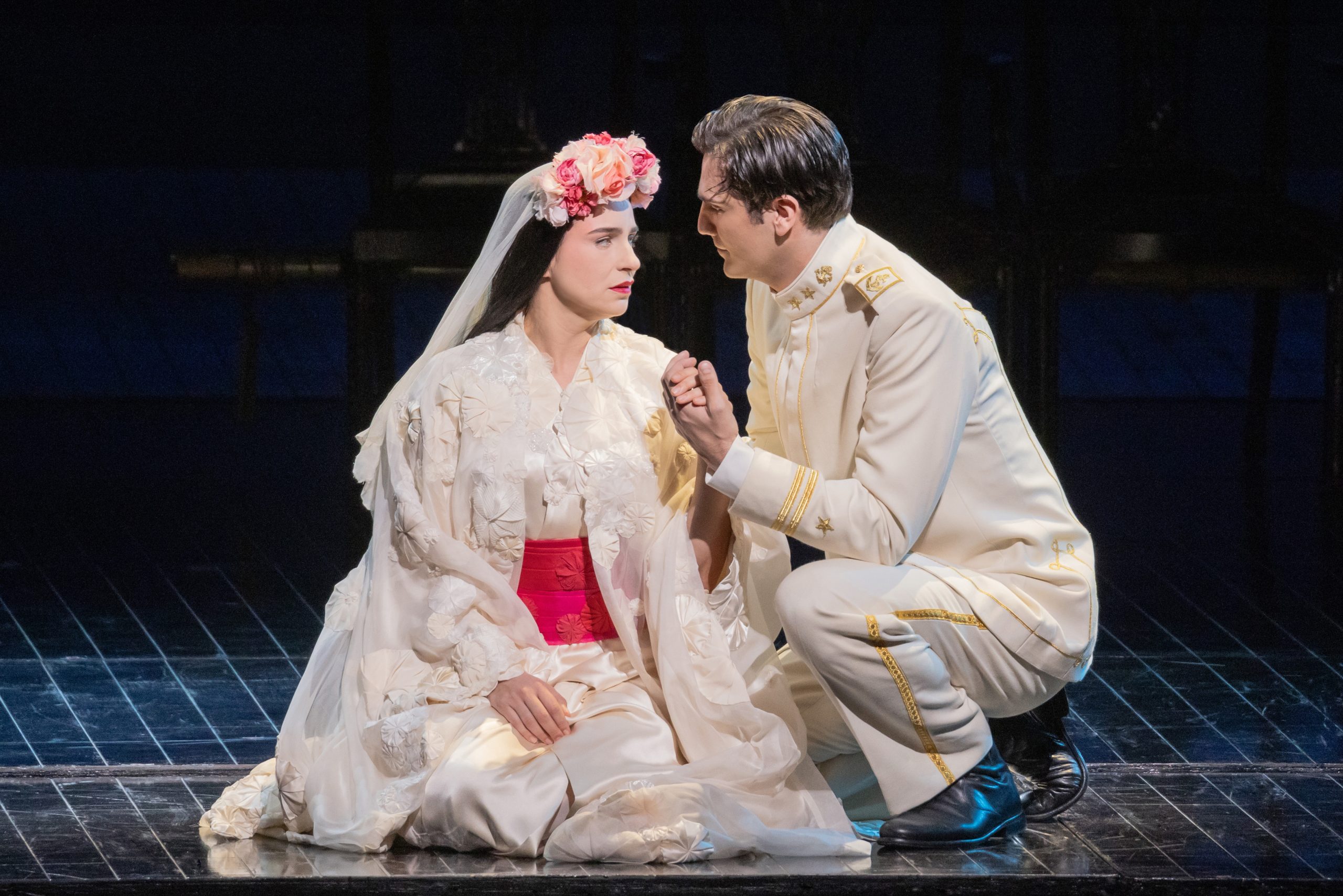
When Anthony Minghella’s production of Madama Butterfly premiered at the Metropolitan Opera in 2006, it immediately established itself as something rare in modern operatic life: a new staging that felt both unmistakably contemporary and destined for a very long run. Now two decades later, the production remains a central pillar of the Met’s repertory, returning season after season with undiminished visual power and emotional force. Audiences routinely describe it as one of the company’s most recognizable and “iconic” post millennial productions, a status few modern stagings achieve. It has a strong Hong Kong connection as well since Minghella’s wife, the brilliant Hong Kong-born Director and Choreographer Carolyn Choa, helped him create this magnificent work.
Sung in Italian with Chinese and English Subtitles
Approx. 3 hrs 23 mins with 1 intermission
Conductor
Xian Zhang
Production
Anthony Minghella
Director / Choreographer
Gary Halvorson
Live in HD Director
Habib Azar
Live in HD Host
Anthony Roth Costanzo
Cio‑Cio‑San
Asmik Grigorian
Suzuki
Elizabeth DeShong
Pinkerton
Jonathan Tetelman
Sharpless
Lucas Meachem
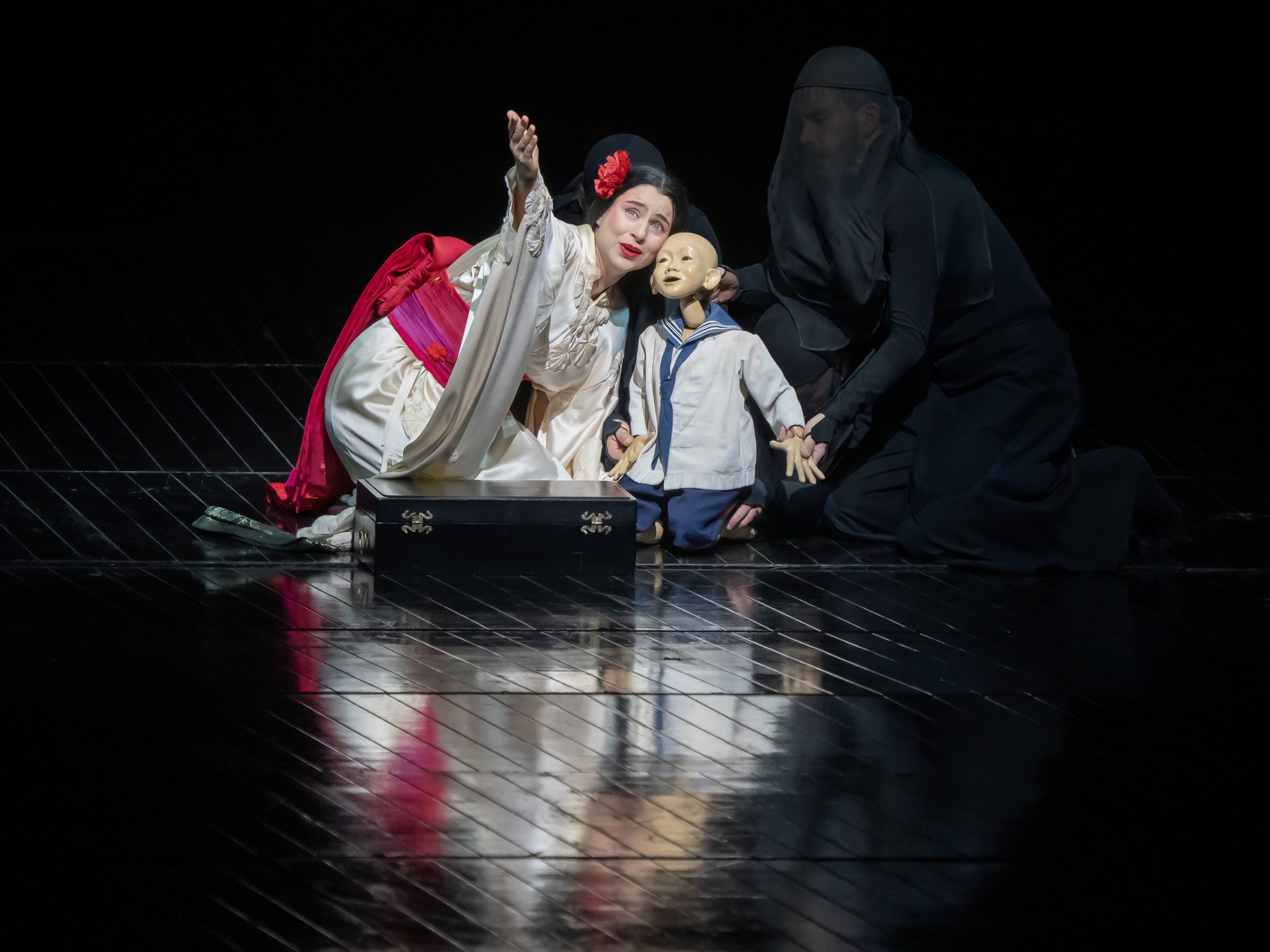
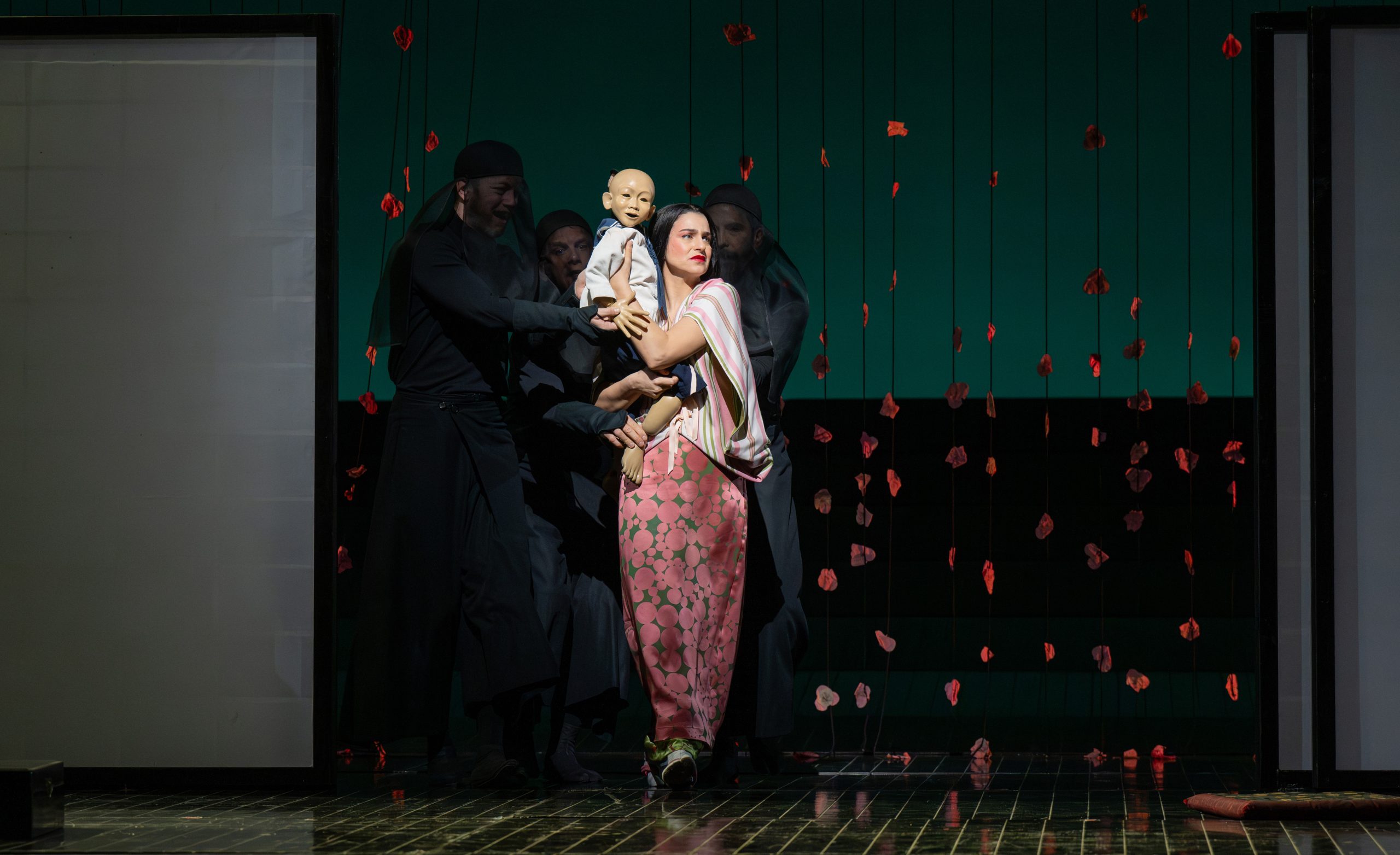
Bunraku puppetry magic: Minghella’s butterfly genius
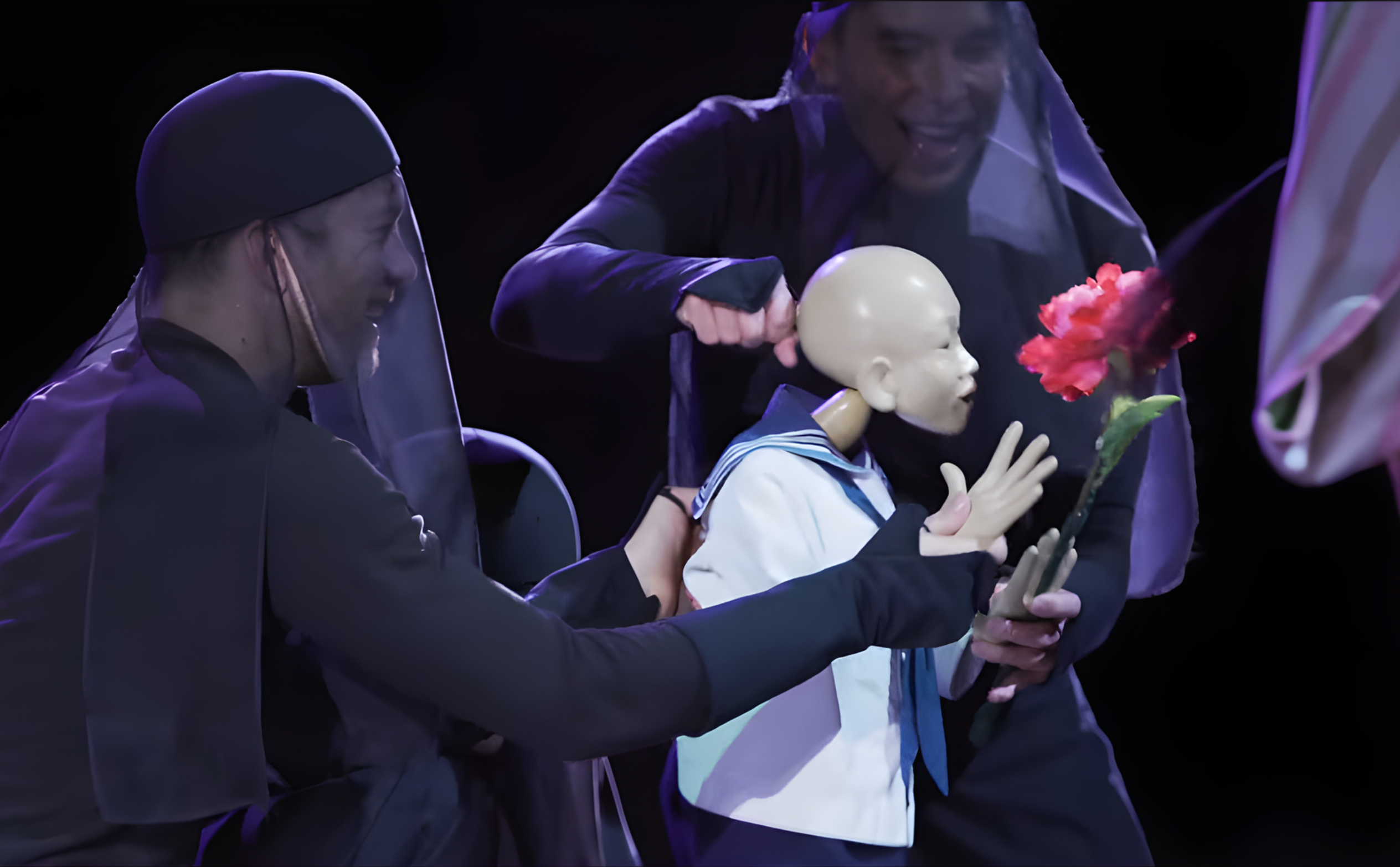
Perhaps the most discussed feature of Minghella’s Butterfl y is the use of Bunraku-style puppets to portray Cio Cio San’s son, known as Trouble or Sorrow. Operated by three visible but unobtrusive puppeteers from Blind Summit Theatre, the child moves with uncannily human precision. Click the photo below and witness this mesmerizing craft in action.
Spatial design meets
performance perfection
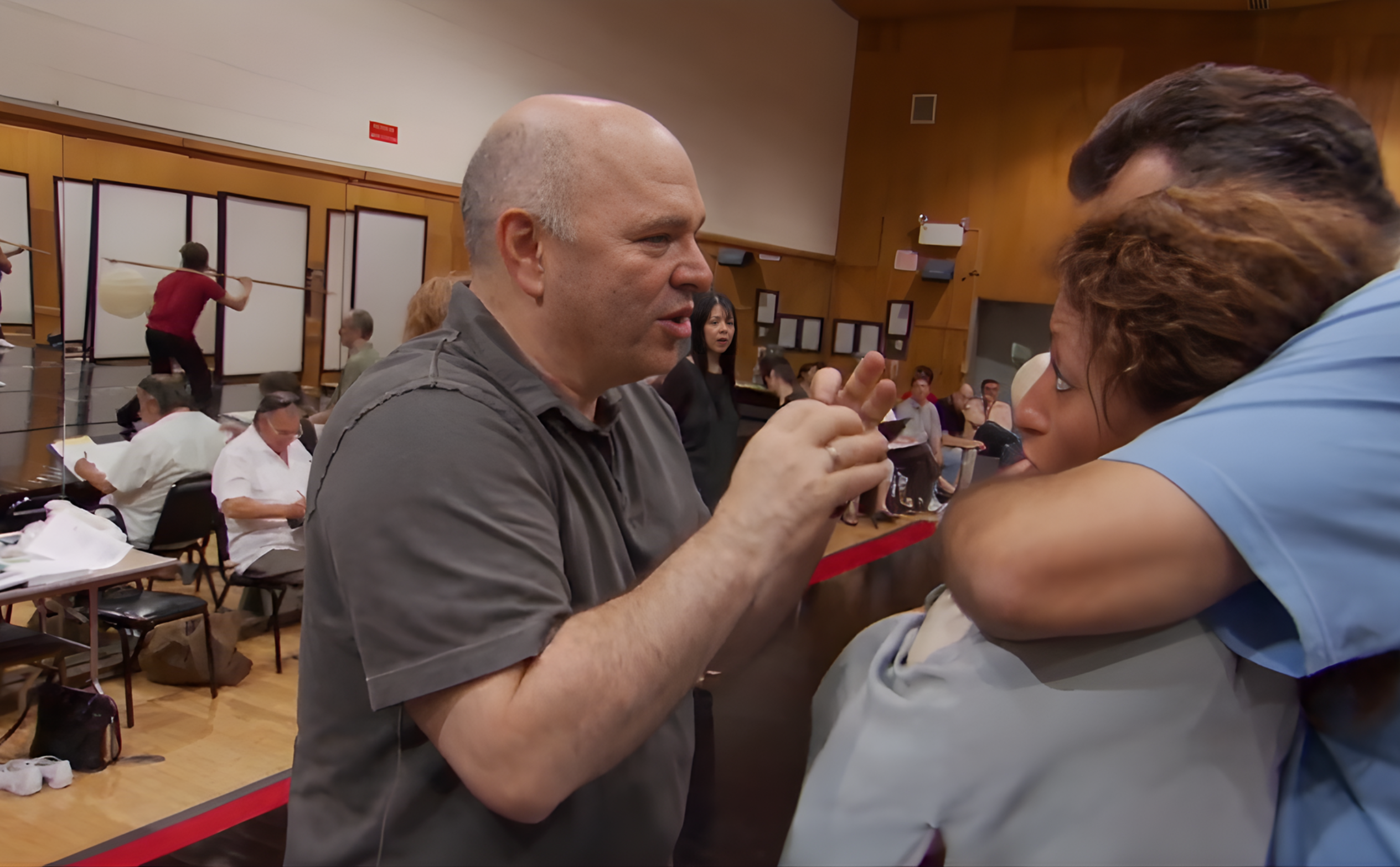
Characters frequently enter from the top of the slope, moving downward as if descending from another realm. This visual metaphor subtly reinforces Butterfly’s position as someone caught between worlds: child and adult, Japanese and American, reality and fantasy. This spatial design heightens the opera’s dreamlike quality while focusing attention on the singers’ emotional trajectories rather than scenic detail. Click the photo below to watch them being led by director Anthony Minghella.
Click the photo to get more about tickets, cast and synopsis.
Jules Massenet
Cinderella/
Cendrillon
19 September 2026, 3:00pm, MCL Cinemas (K11 Art House)
Love reshapes the soul
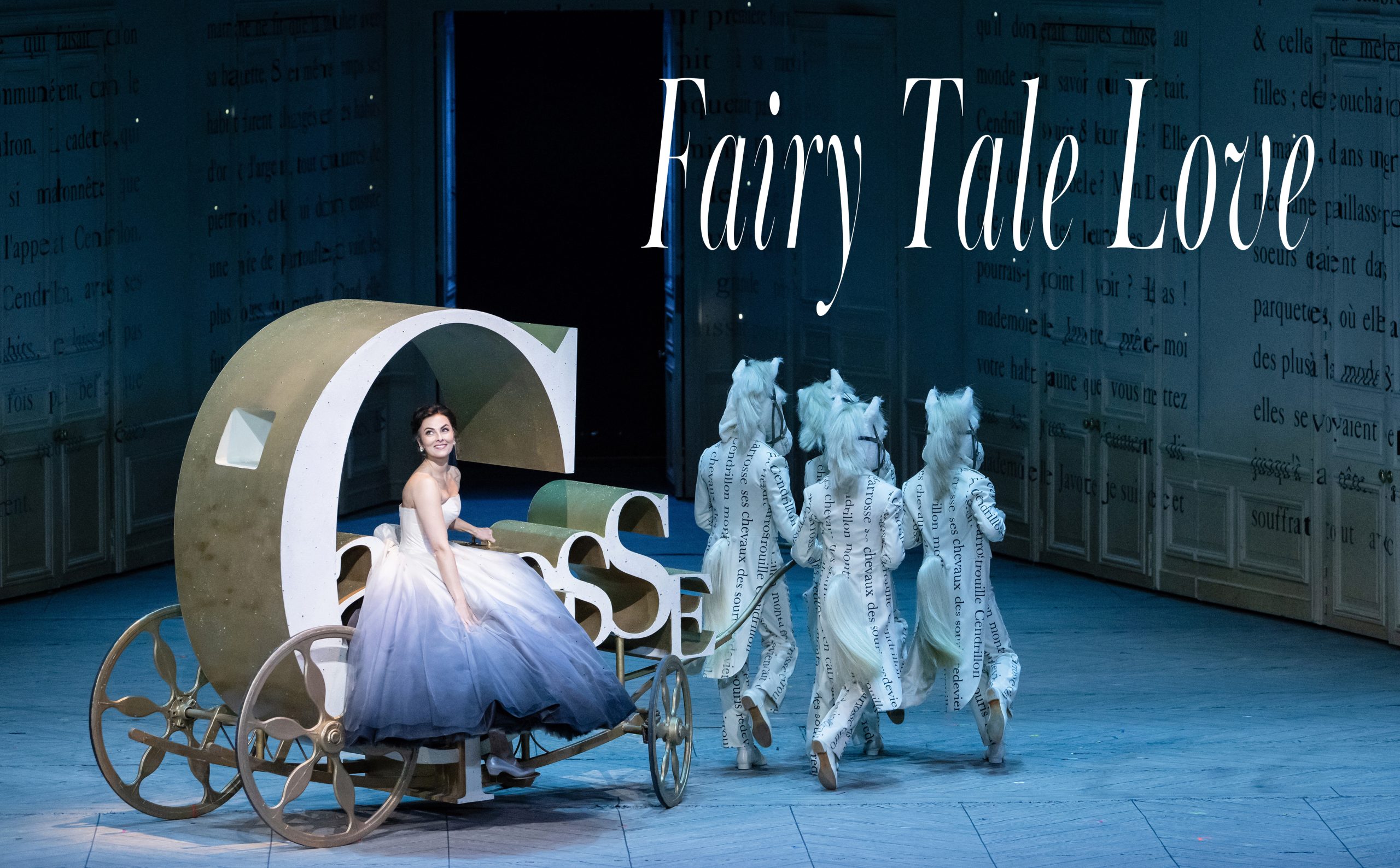
Although Cendrillon is based on a fairy tale, Massenet transforms Cinderella’s story into one of emotional extremes rather than wish fulfilment. Cendrillon does not merely hope for love; she internalizes it as her only reason to live. When she believes herself abandoned by the Prince and humiliated by her family, she resolves not to “move on” or rebuild her confidence, but to disappear into death. This moment is crucial: her despair is psychologically real, not exaggerated. Love, once awakened, has redefined Cendrillon’s identity so completely that life without it becomes meaningless. Even the magical resolution does not erase the seriousness of what has occurred. Massenet’s music pulls on the heartstrings with its longing, loneliness, and evocation of emotional vulnerability. It reminds us that fairy tales in opera are not escapist fantasies—they are metaphors for emotional realities. Romantic love here can be dangerous, and it reshapes the soul.
Sung in English with Chinese and English Subtitles
Approx. 1 hrs 55 mins without intermission
Conductor
Emmanuel Villaume
Production
Laurent Pelly
Live in HD Director
Habib Azar
Live in HD Host
Anthony Roth Costanzo
Fairy Godmother
Jessica Pratt
Cinderella
Isabel Leonard
Prince Charming
Emily D’Angelo
Madame de la Haltière
Stephanie Blythe
Pandolfe
Laurent Naouri
Fairy tale magic:
kids meet Cinderella’s stars
Unlike many fairy tale operas, Cendrillon does not end with unexamined bliss. Forgiveness, rather than triumph, becomes the opera’s moral centre—a theme that Pelly’s production emphasizes with unusual clarity.
Watch young fans light up as they quiz the stars of the Met’s enchanting 2016 family friendly production of Massenet’s Cinderella—Laurent Pelly’s storybook staging is tailored for children and first time opera goers, with mezzo soprano Isabel Leonard as its rags to riches princess. Maestro Emmanuel Villaume leads a delightful cast, which includes mezzo soprano Emily D’Angelo as Cinderella’s Prince Charming, bringing warmth, humour, and genuine magic to this timeless fairy tale in music.
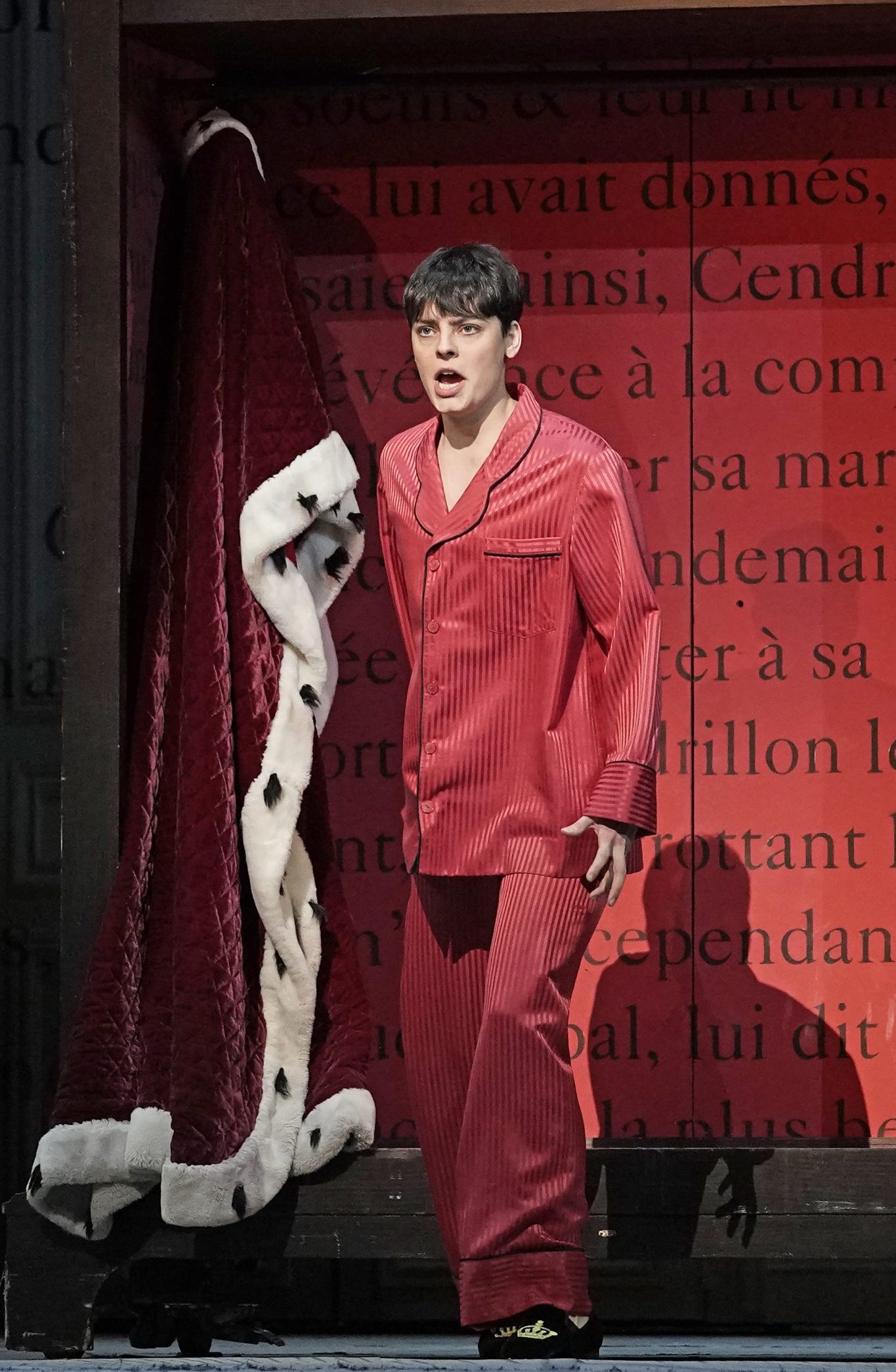
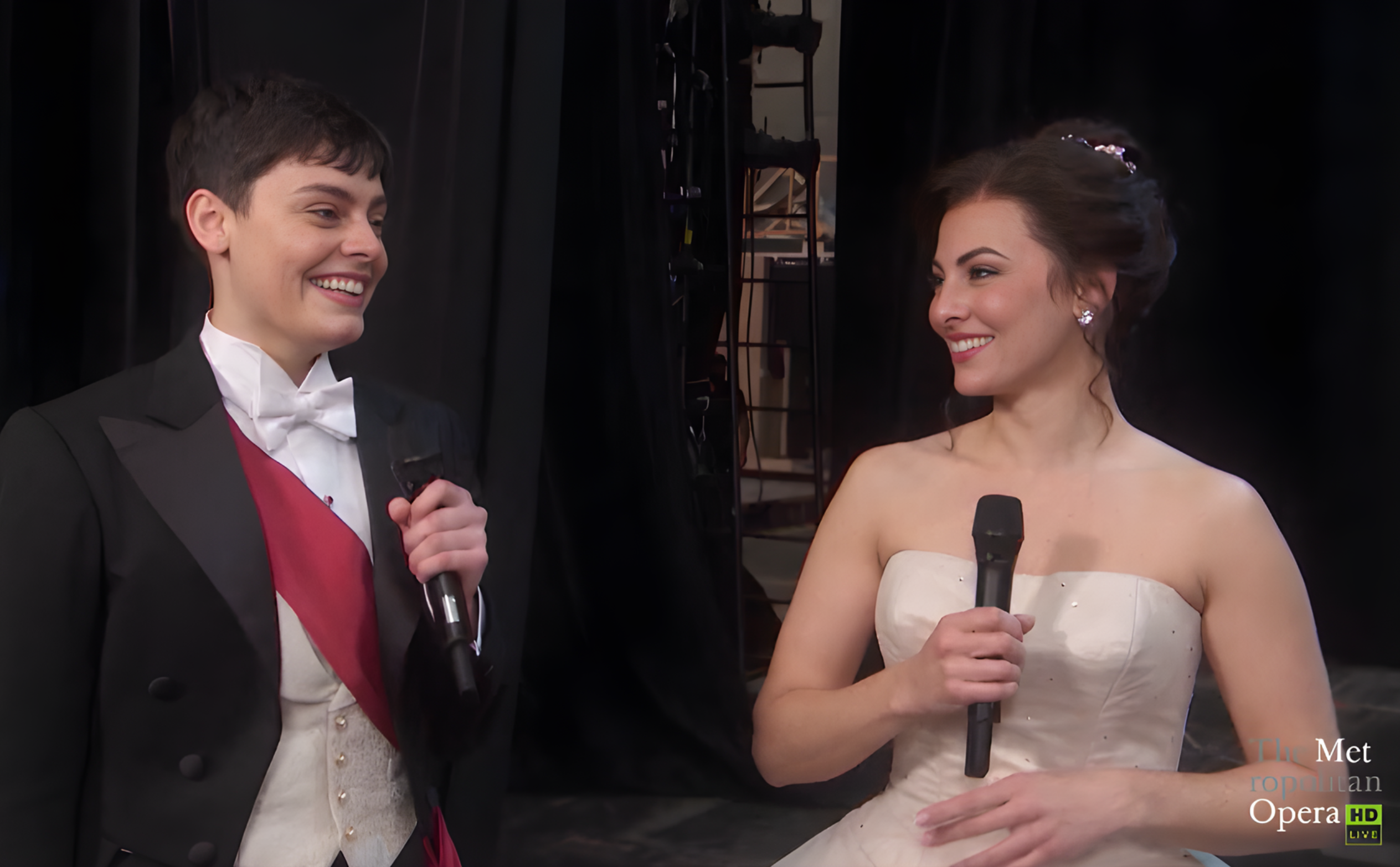
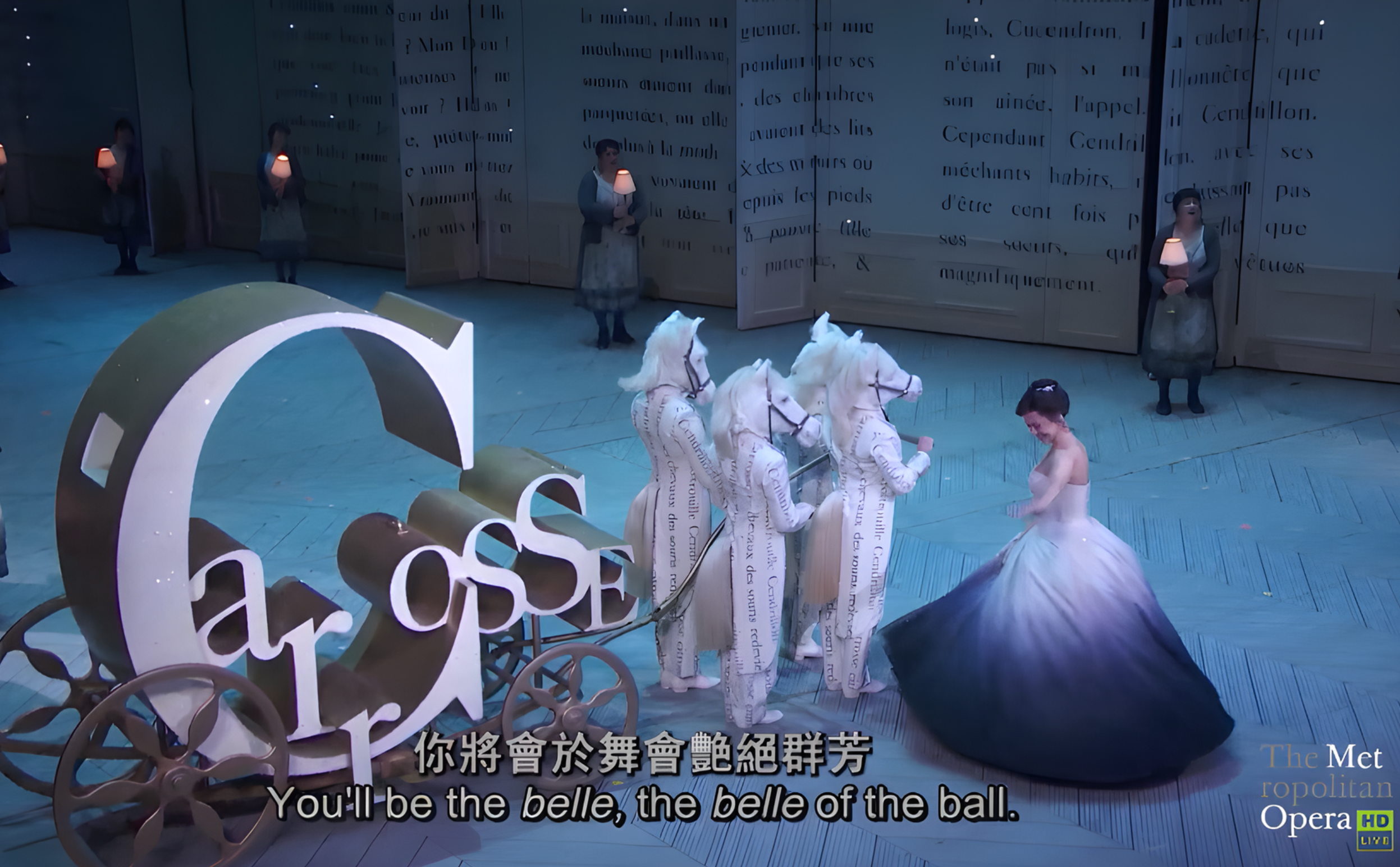
Cinderella’s on her way to the ball
Massenet’s shimmering score blends tender lyricism with sparkling orchestration, harp harmonics and a warm celesta glow. Coloratura flurries conjure fairy dust around Cinderella’s wistful arias. Watch her dash “off to the ball” as the Fairy Godmother’s thrilling trills ignite buoyant waltzes and triumphant love duets. Dive into the video (above) to feel virtue’s triumph.
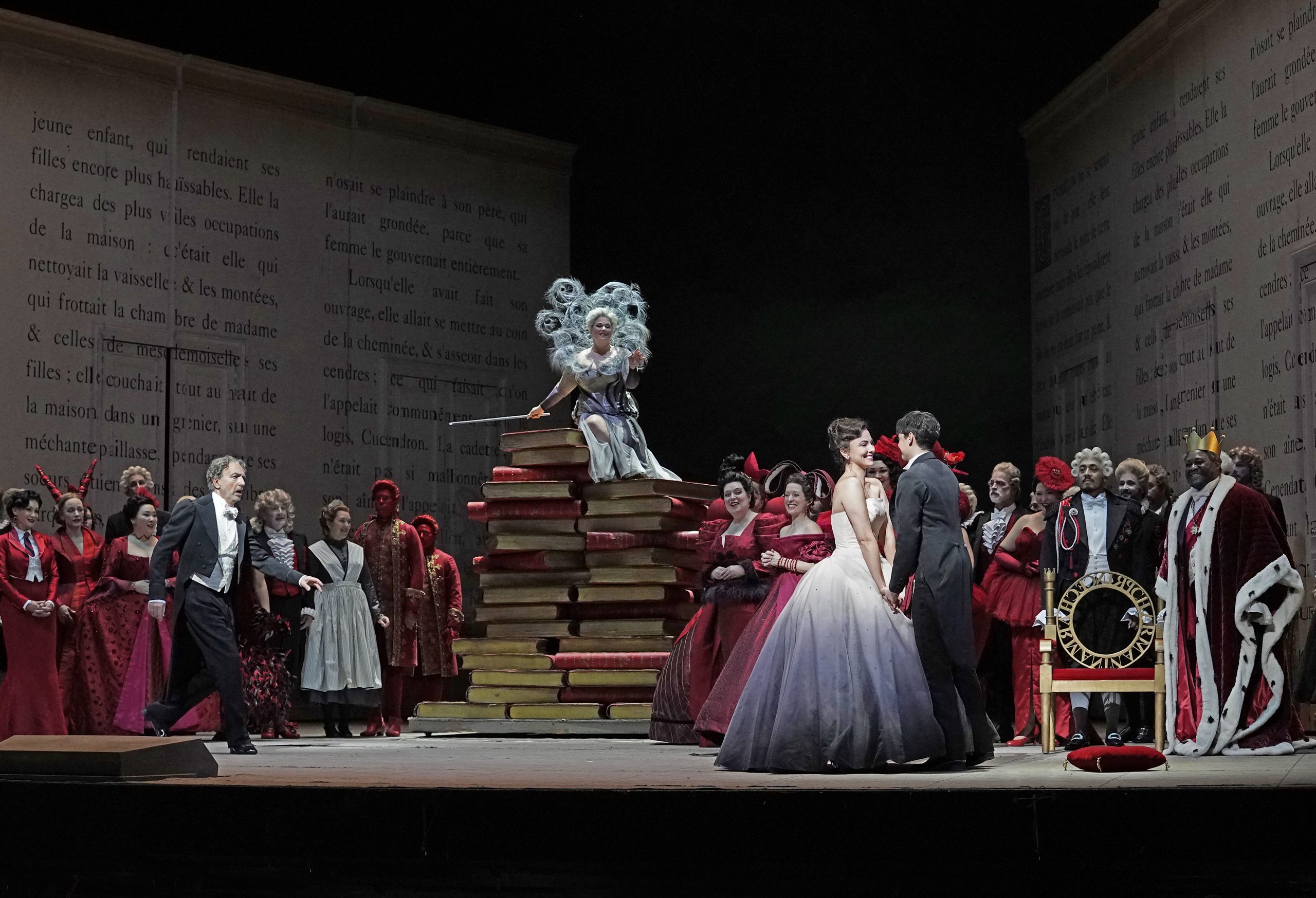
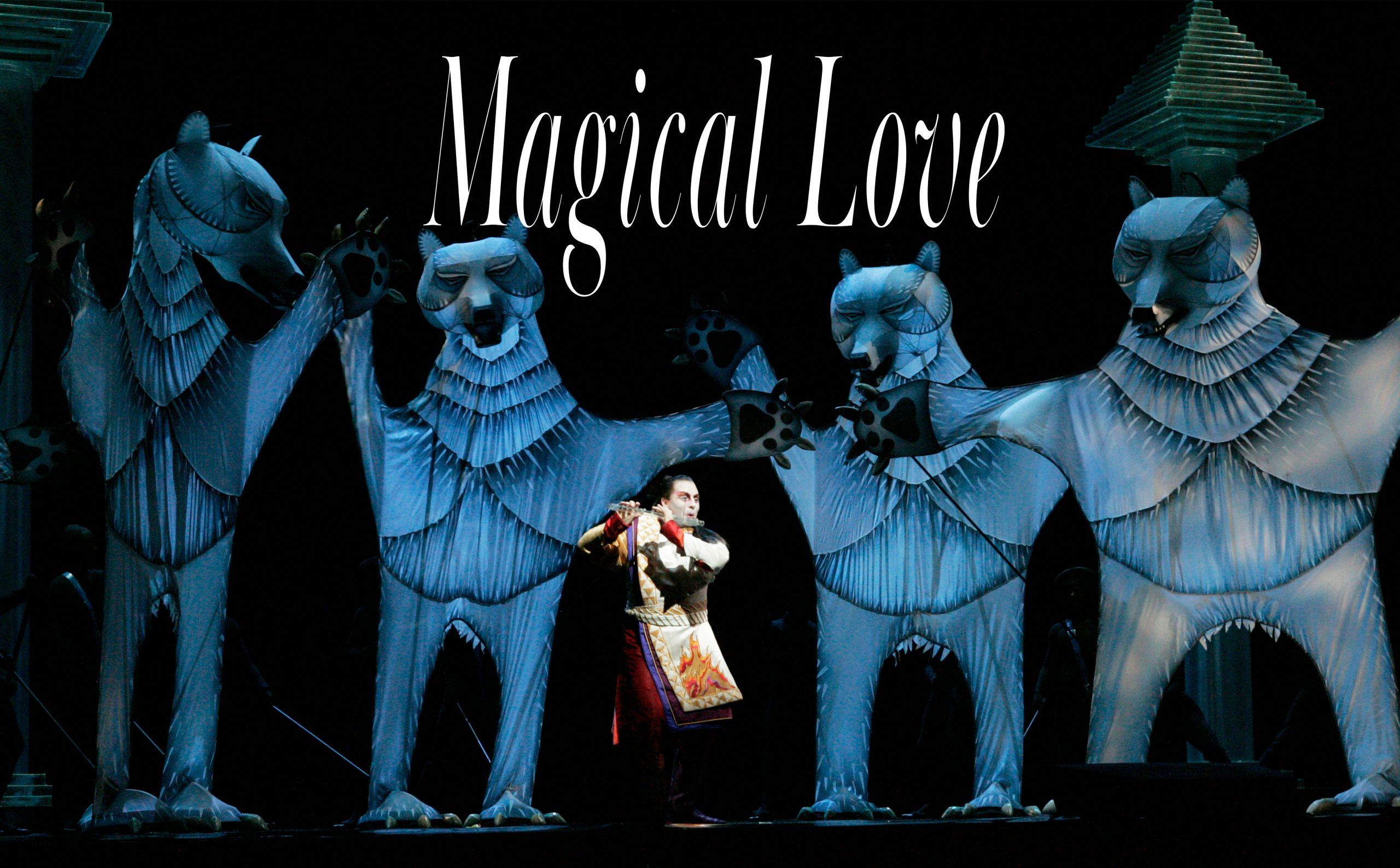
Click the photo to get more about tickets, cast and synopsis.
Mozart
The Magic Flute
21 November 2026, 3:00pm, MCL Cinemas (K11 Art House)
20 December 2026, 5:30pm, Ladies’ Recreation Club (10 Old Peak Road)
Love as a force of transformation
The Magic Flute shows us love as a force of moral transformation rather than personal gratification. Tamino and Pamina’s love is tested not by jealousy or misunderstanding but by trials that demand silence, endurance and courage. Love must prove itself worthy of enlightenment. Pamina’s despair when she believes Tamino has abandoned her is not treated lightly; Mozart allows her anguish full musical dignity, affirming that emotional suffering is a legitimate human crisis. Unlike modern narratives where love validates individual desire, The Magic Flute insists that love matures only when it aligns with truth, reason, and sacrifice. The last opera in our series this season inherits this idea and intensifies it: love is not simply felt—it must be earned, endured, and transformed into ethical strength.
Sung in English with Chinese and English Subtitles
Approx. 1 hrs 50 mins without intermission
Conductor
James Levine
Production
Julie Taymor
Live in HD Director
Gary Halvorson
Pamina
Ying Huang
Queen of the night
Erika Miklósa
Tamino
Matthew Polenzani
Papageno
Nathan Gunn
Speaker
David Pittsinger
Sarastro
René Pape
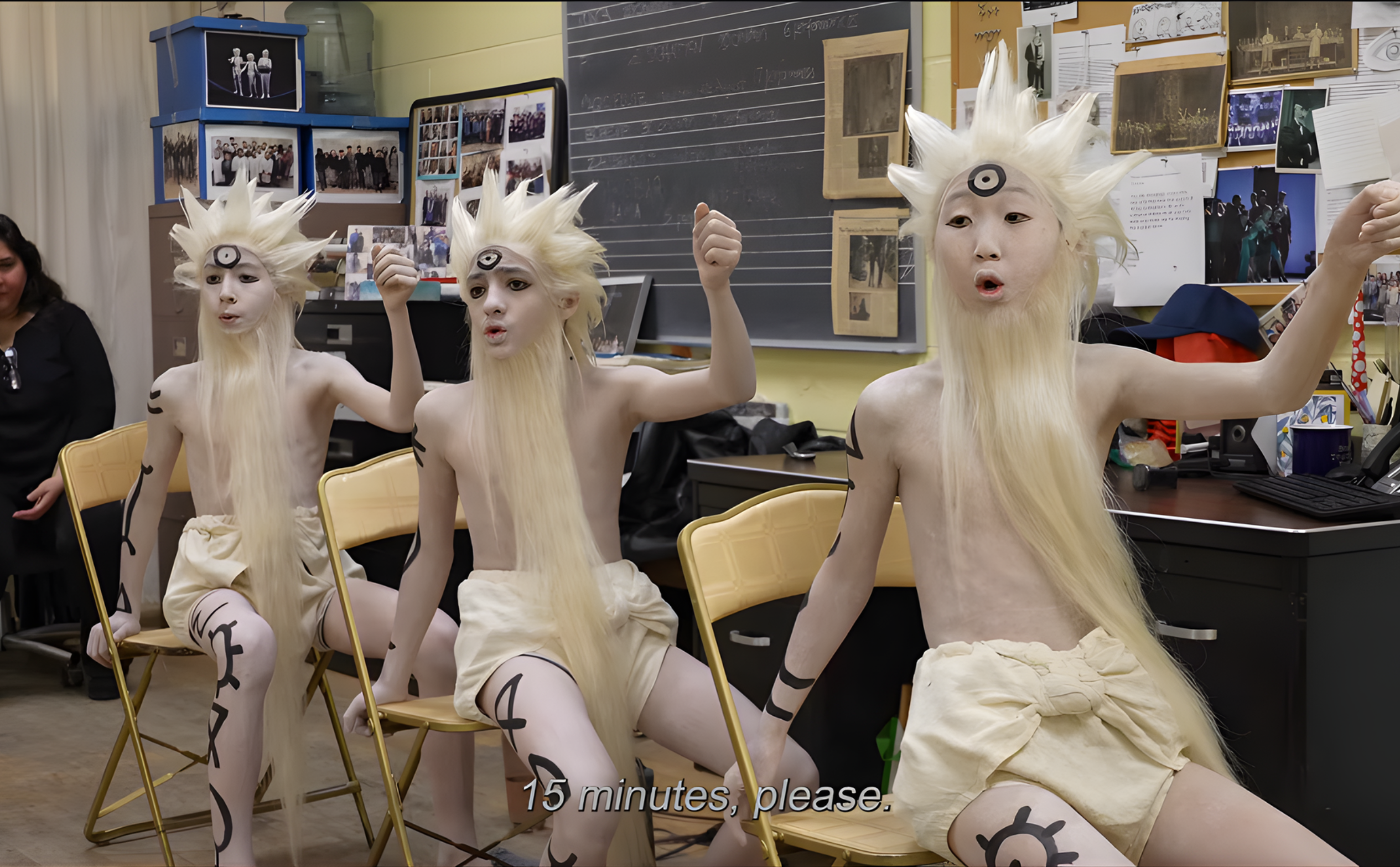
Met’s kid-Friendly Magic Flute
Taymor’s Magic Flute has been performed more than 500 times at the Met and seen by over a million people worldwide through Live in HD broadcasts. Audience testimonials collected by the Met frequently cite the production as a fi rst encounter with opera, underscoring its importance as a gateway work. Watch the video (above) to go behind the scenes with Ori, Luka, and Nico as they prepare to take the stage as the Three Spirits in Mozart’s enchanting fairy tale.
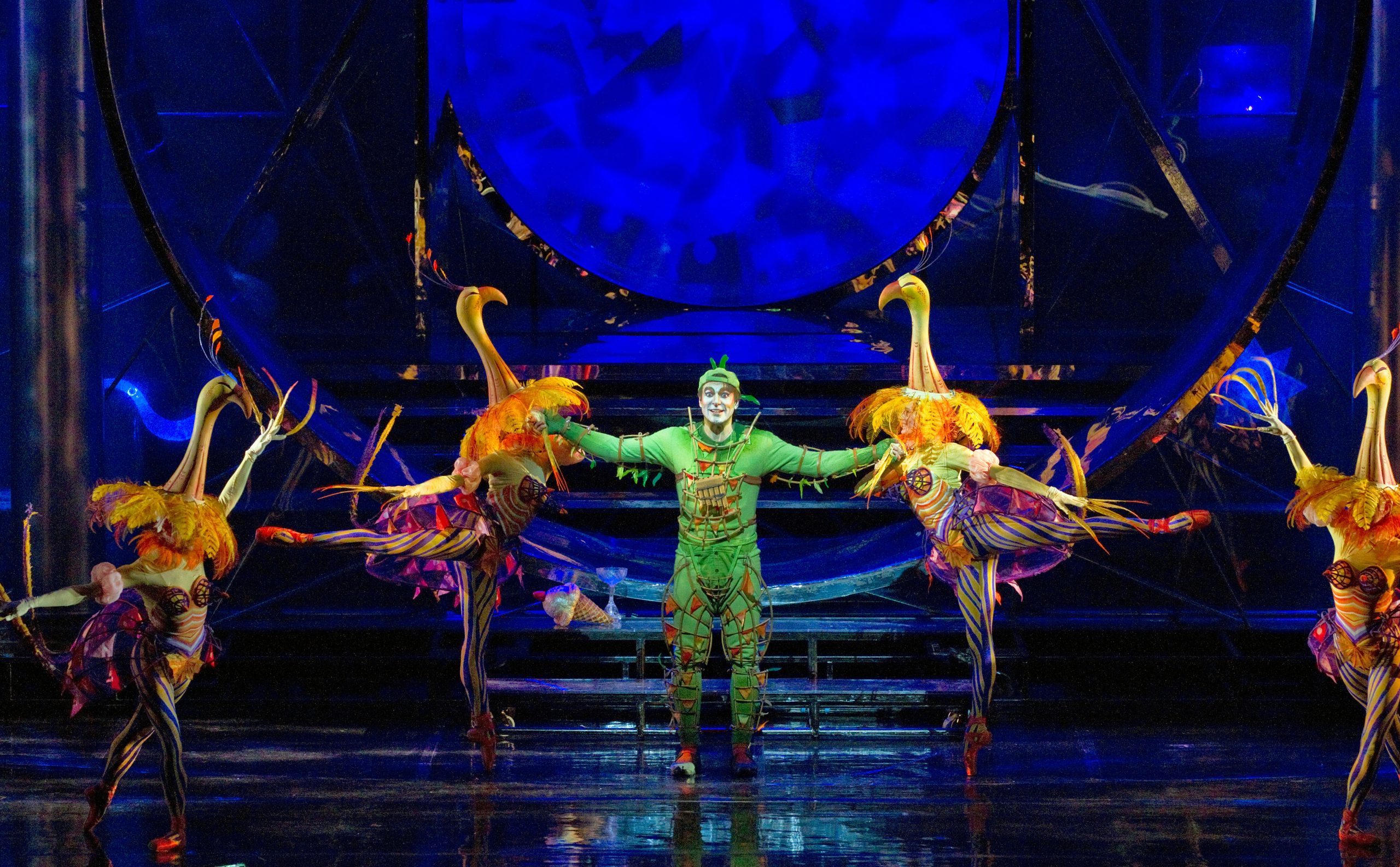
Mozart’s melody magic: Papageno’s joyful jaunt
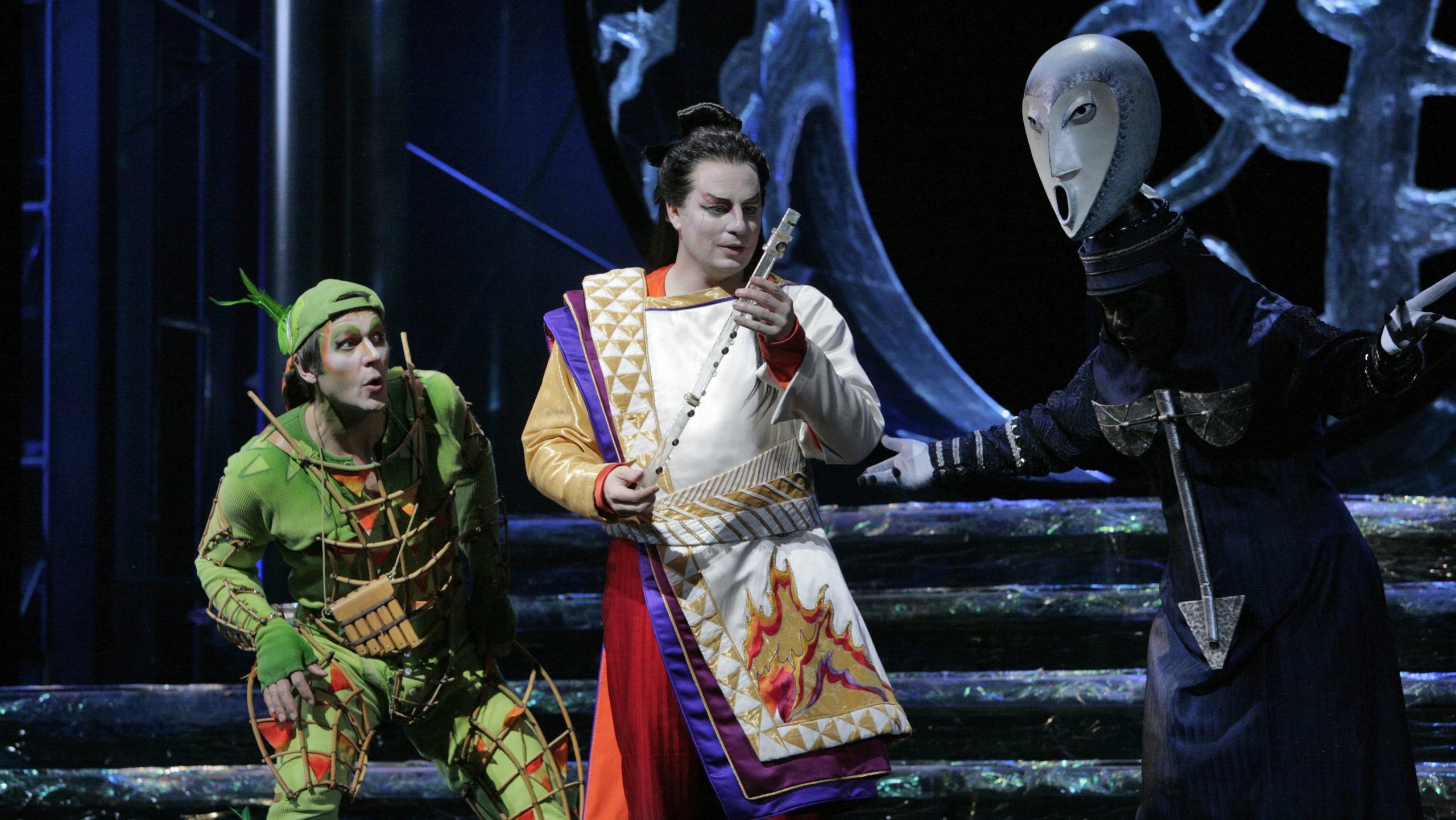
Taymor, already renowned for her work on Broadway’s The Lion King, brought to the Met a theatrical vocabulary rooted in puppetry, masks, ritualized movement, and mythic symbolism. Her approach to Mozart’s singspiel was unapologetically theatrical, treating The Magic Flute not as a genteel Enlightenment allegory but as a living fairy tale capable of delighting children while sustaining powerful resonance for adults. Watch the video above to see Nathan Gunn perform Papageno’s aria “A cuddly wife” in this vivid production.
The Hong Kong Chamber Music Society, founded in 1975, was the first chamber music society in Hong Kong. It continues to be the only music organisation committed to intimate, up close and personal performances that bring audiences and artists together at arms’ length.
Over the past 50 years, we have been devoted to maintaining the beautiful traditions of chamber music in the salon tradition. We work hard at ensuring that everyone can experience the joy of music in a relaxed and very personal way.
Our Vision
We have actively collaborated for the last half century with hundreds of artists—both local and international—as well as organizations committed to promoting music.
Our unwavering commitment to nurturing future musical talent is demonstrated through performance opportunities, scholarships, and extensive connections with industry professionals. We have helped over the years to empower aspiring artists embark on and maintain careers in music for the long-term development of music within the community.
We have also worked hard in numerous ways to develop that essential third leg of the stool, the audience, without whom artist and composer would not be able to survive.
What’s coming up 2026
HKCMS 2026 concert series features the late Romantic and early modern repertoire plus some special surprises.
Composers highlighted in this season, among others, include Brahms, Elgar, Dvořák, Beethoven, Puccini, Bellini, Massenet, Bizet, Shostakovich and Schubert.
The music in these concerts all create deeply personal moments comprising the full range of chamber music ensemble pieces plus opera arias and song. Each programme, as usual, becomes a kind of “love letter” in music told to a small audience by very passionate performers.
Ticketing Information
Package Discount (only for HKCMS concerts)
5%
Discount
5% off when purchasing 2–3 tickets — a delightful way to share the music with a companion.
10%
Discount
10% off when purchasing 4–5 tickets — bring more friends and enjoy the celebration together.
15%
Discount
15% off when purchasing 6 or more tickets — the best value for those who wish to experience the complete journey.
How to Purchase
Telephone Reservations
2536 9631 / 2579 5533
Whatsapp Reservations
5592 9010
Secure your seats with a simple call or message. No handling fee.
Ticket Order Form
Click the below button for the online form.
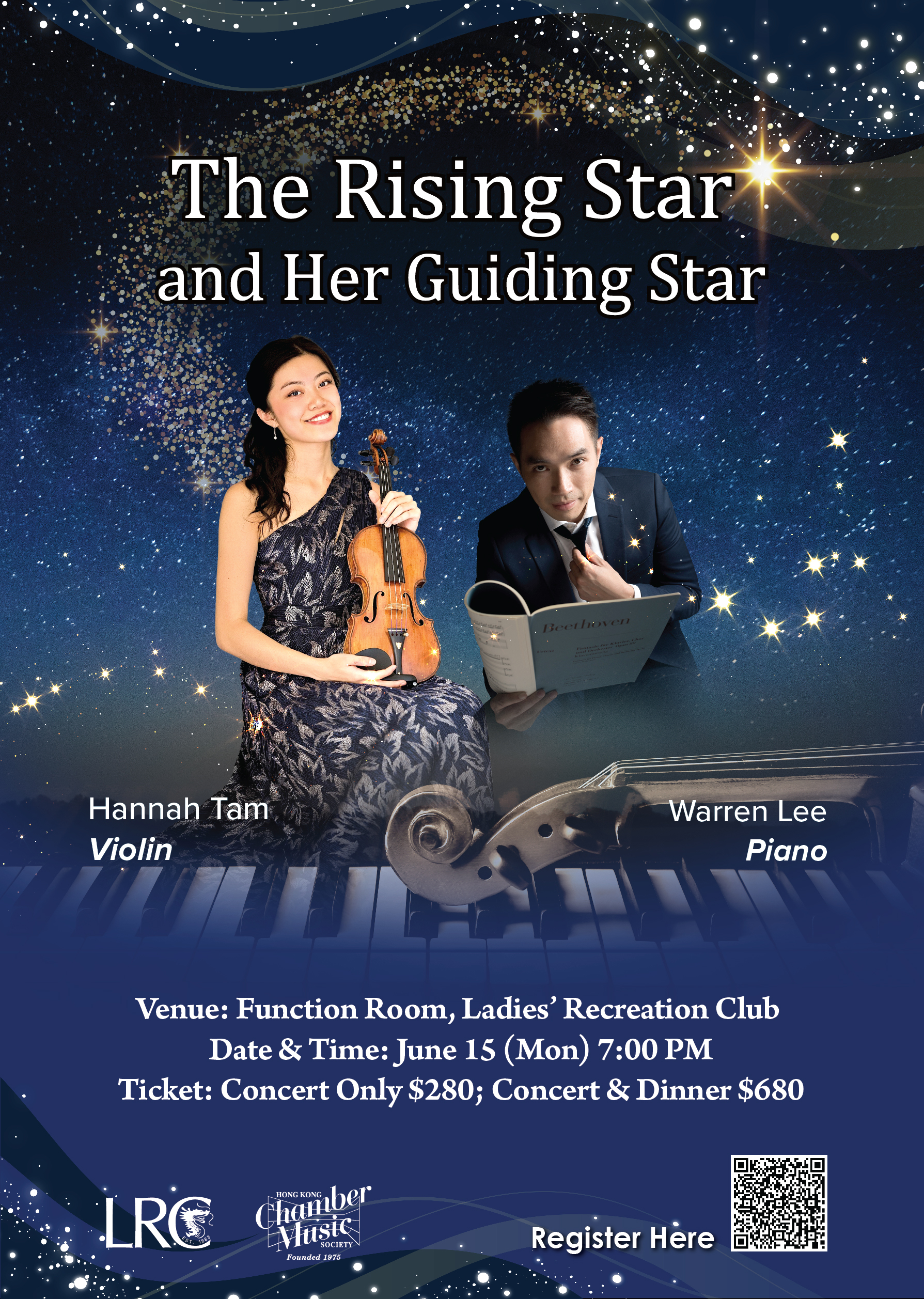
The Rising Star and Her Guiding Star
Date & Time | 15 June 2026, Mon, 7:00p.m.
Venue | Ladies’ Recreation Club – Function and Dining Rooms
Ticket | Concert Only $280; Concert & Dinner $680
Programme
Brahms: Violin Sonata No. 1 in G major, Op. 78
Brahms: Violin Sonata No. 2 in A major, Op. 100
Intermission –
Brahms: Violin Sonata No. 3 in D minor, Op. 108
Programme Introduction
Together with HKCMS, Hannah Tam and Warren Lee invite listeners into the private world of Johannes Brahms’s complete violin sonatas. Rather than grand orchestral drama, these works offer something more personal – intricate dialogue between violin and piano and a spectrum of emotion that moves from tender nostalgia to storm tossed passion. Heard together in a single evening, the three sonatas trace a remarkable journey through Brahms’s mature style.
Programme Notes
Violin Sonata No. 1 in G major, Op. 78
This piece is mature Brahms at its best and an example of the exalted reputation Brahms came to enjoy. The master’s work was considered so important, his approach to composition in this sonata was cited by his fans to prove that chamber music can express powerful emotions without needing an explicit storyline (in contrast to highly programmatic Wagnerian “music of the future,” then coming into vogue).
It has a wonderful, song-like lyricism that’s been described as “sunny and radiant,” but the special moments come at the end.
The finale begins in G minor and resolves to G major in the coda. The way Brahms transforms the mood is what makes the piece really magical. Listen carefully to the piano during the transitions—the changes of harmony will tell you where Brahms is quietly tightening the emotional screw.
Violin Sonata No. 2 in A major, Op. 100
Our sunny mood continues with the Sonata No. 2 in A major, Op. 100, often considered the most upbeat of all three. It’s so lyrical, perhaps, because it was written at a very happy time in Brahms’ life when he enjoyed those contented days in Thun, Switzerland when he said he was “so full of melodies that one has to be careful not to step on any.”
Though his devotees might have dragged Brahms into the debate over Wagner, Brahms greatly admired Wagner even though he differed in his approach to composing. In fact, the opening three notes of this sonata resemble Walther’s Prize Song from Wagner’s Die Meistersinger von Nürnberg, which has earned Op. 100 the occasional nickname “Meistersinger Sonata.” This resemblance was probably a subtle, ambiguous nod rather than a programmatic quotation.
Violin Sonata No. 3 in D minor, Op. 108
Op. 108 is the only one of Brahms’ violin sonatas in four movements, so we know from the start something is going to be coming in the grand tradition. Where Op. 78 and 100 compress the Classical form, Op. 108 restores a near symphonic structure to the work. It is the most dramatic, stormy, and extroverted of the three, and is much more like Brahms’ symphonic writing. Op. 108 continues Brahms’ long association with D minor as a key of urgency and struggle (echoing Beethoven’s Ninth Symphony, Bach’s Chaconne, and Brahms’ own First Piano Concerto). This shows up in the work’s restless harmonic language, rhythmic drive, and uncompromising energy as markers of Brahms at his most intense.
Violin
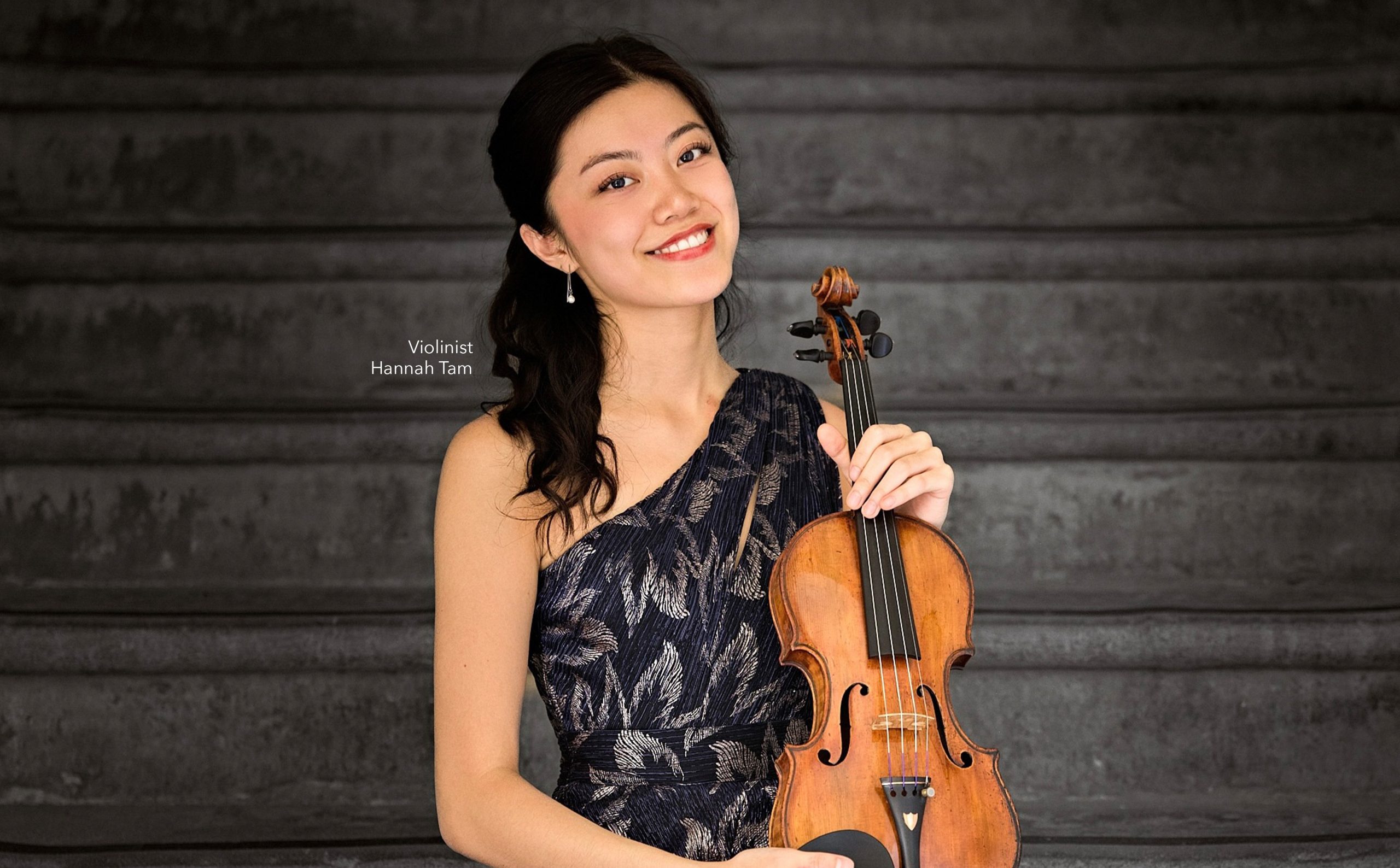
Hannah Tam
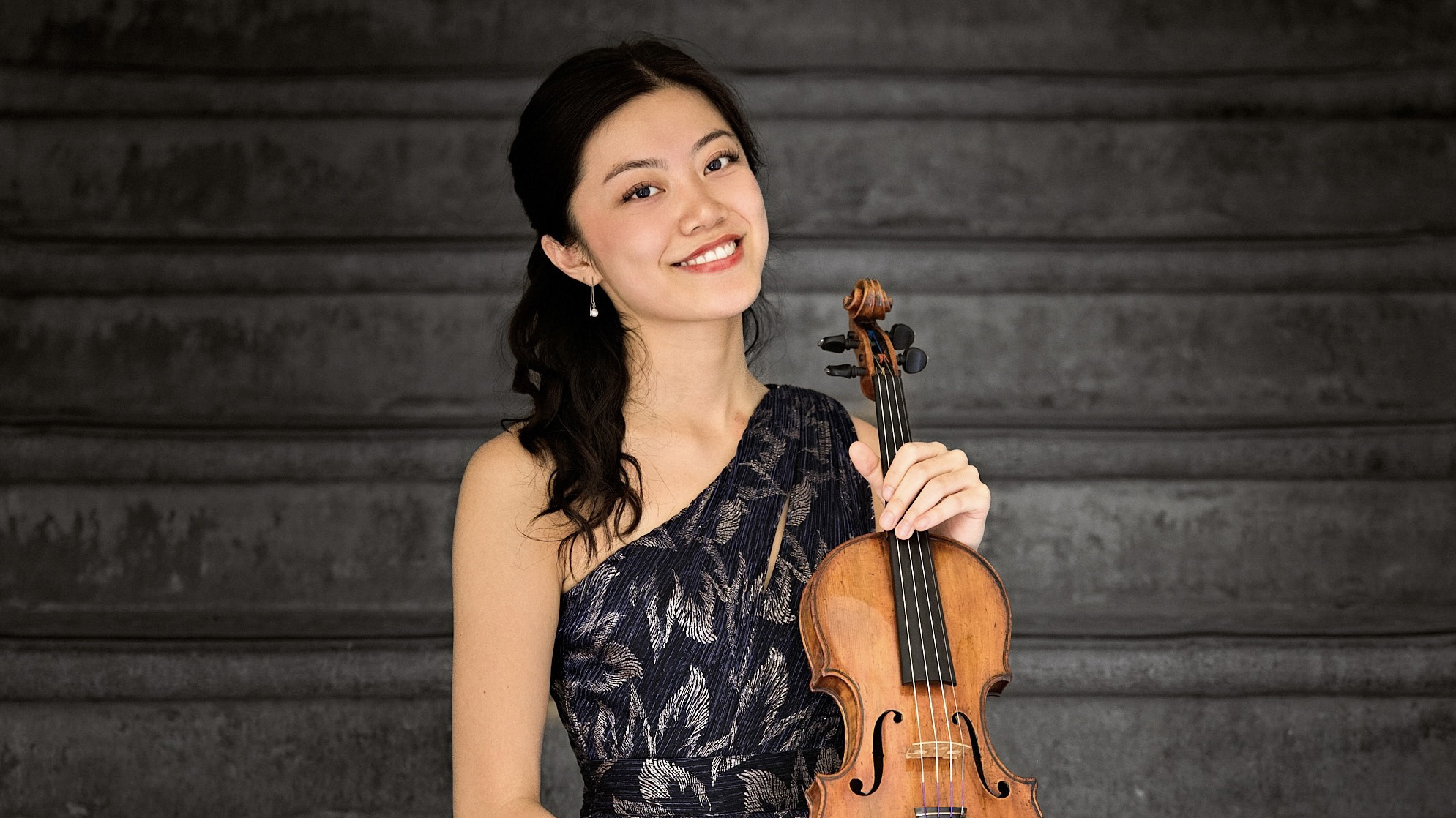
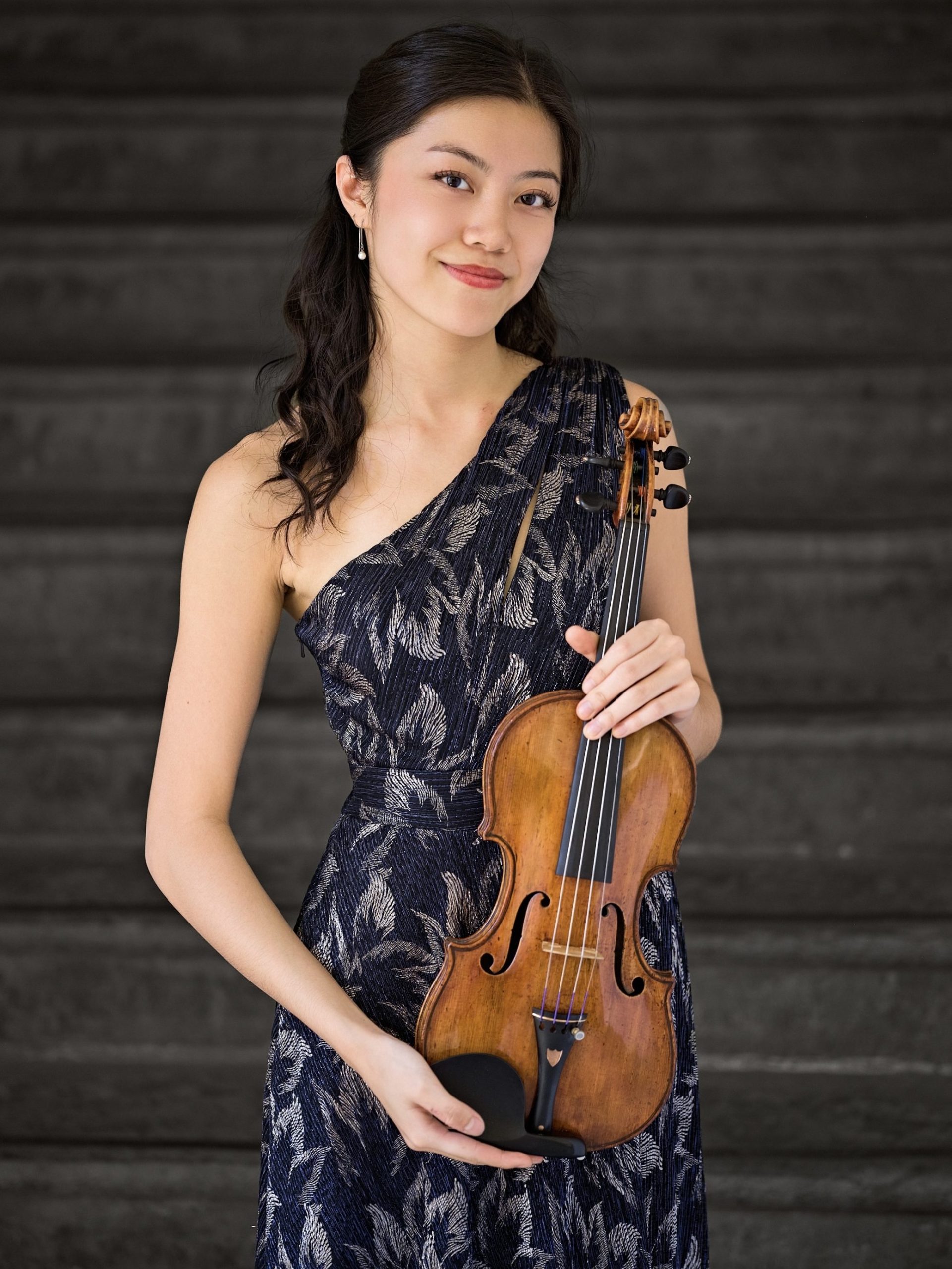
Praised by The Strad for her “amazing conviction and variety of tone” and by Gramophone for her “aristocratic poise and heart-warming charm,” 20-year-old violinist Hannah Tam has earned international acclaim, including prizes at the Menuhin International Competition, Montreal’s “Mini Violini,” and Italy’s Concorso Andrea Postacchini. A recipient of Hong Kong’s Certificate of Commendation and the Jockey Club Music and Dance Fund Scholarship, she has performed across Europe, North America, and Asia with artists such as Itzhak Perlman and Gil Shaham. A student of Ida Kavafian at the Curtis Institute, she plays a 1757 Giovanni Battista Guadagnini violin.
Piano
Warren Lee
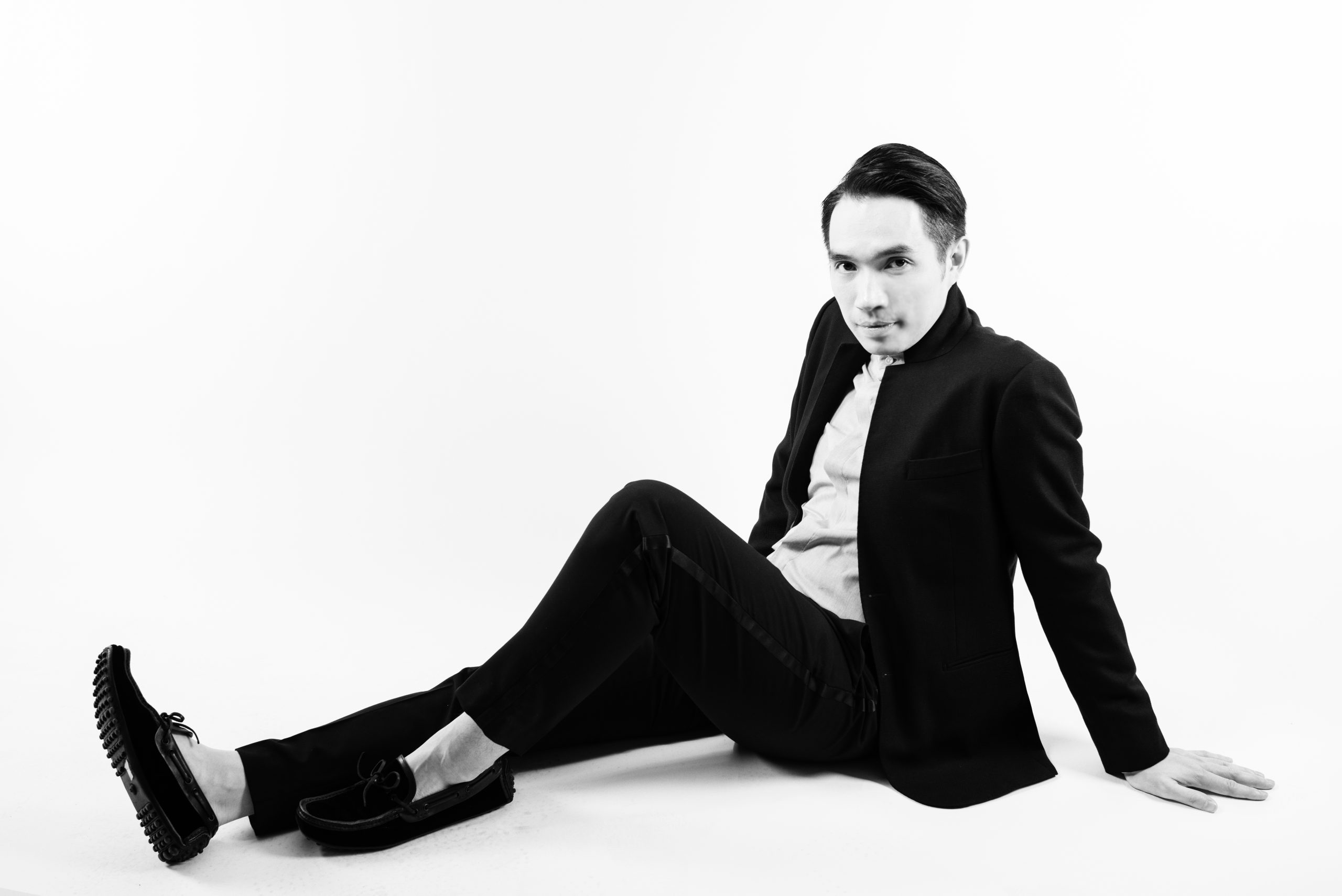
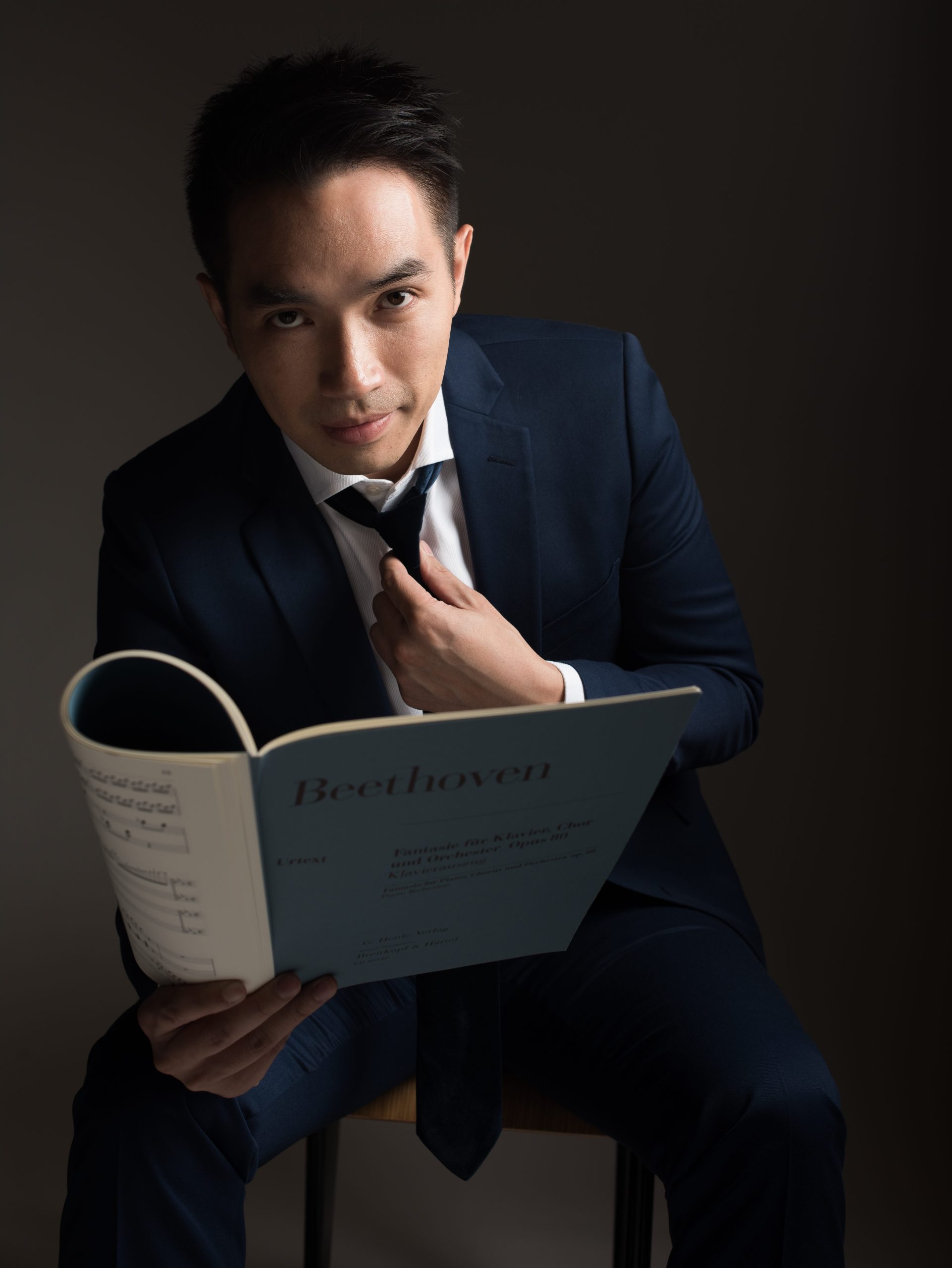
Described by The Straits Times for his “wonderful sense of colour and impeccably controlled articulation” and hailed by American Record Guide as “a first-rate artist,” Warren Lee has performed across five continents, appearing with leading orchestras and collaborators worldwide. Making his televised debut with the Hong Kong Philharmonic at six, he later won the Stravinsky Awards International Competition and Grand Prix Ivo Pogorelich. A Steinway Artist since 2009, his acclaimed discography spans 11 albums. Also an educator, composer, and cultural leader, Warren recently wrote QUIET The Musical, a cross-border community production presented by Harrow International School Foundation, AISL Foundation Limited and AISL Harrow Schools, co-organized by Hong Kong Virtuoso Chorus. “Quiet” featured over 300 students from Hong Kong and the Greater Bay Area.
Dinner Menu
Join us for “The Rising Star and Her Guiding Star” at the LRC
with a menu celebrating harmony.
APPETIZER
(V) BURRATA CHEESE
(Basil Pesto, Semi-Dry Cherry Tomato, Micro Greens)
Or
SMOKED EEL
(Frisee Salad, Croutons, Apricot, Crispy Bacon, Pommary Vinaigrette)
Main Course
PAN-SEARED SEABASS
(Fregola Sarda, Tomato, Capers, Chimichurri Sauce)
Or
ROAST PORK BELLY
(Pineapple Cumberland, Celeriac Puree, Port Wine Sauce)
Or
(V) BARLEY RISOTTO
(Mushroom, Spinach, Ricotta Cheese)
Dessert
SEASONAL FRESH FRUIT PLATTER
or
PEAR BUTTER ALMOND TORTE
(Sago Cream, Grilled Pear, Vanilla Sauce)
The “Beautiful Singing” that Changed the World
Date & Time | 10 August 2026, Mon, 7:00p.m.
Venue | Ladies’ Recreation Club – Function and Dining Rooms
Ticket | Concert Only $280; Concert & Dinner $680
Programme
Mauro Malavasi: Pianissimo
Rossini: “Un Soave non so che” from La Cenerentola
Stefano Donaudy: O del mio amato ben
Berlioz: Le spectre de la rose
Donizetti: “Una Furtiva Lagrima” from L’elisir d’Amore
Bizet: “Près des remparts de Séville” from Carmen
Henri Duparc: Chanson triste
Poulenc: Les Chemins de l’amour
– Intermission –
Camille Saint-Saëns: “Mon cœur s’ouvre à ta voix” from Samson et Dalila
Édouard Lalo: “Vainement ma bien aimée” from Le roi d’Ys
Louis Guglielmi: La Vie En Rose
Ludwig van Beethoven: Adelaide
Rossini: “Nacqui all’affanno… Non più mesta” from La Cenerentola
Li Yu: 春花秋月何時了 (When will Spring Flowers and Autumn Moon ever end?)
Programme Introduction
By 1815 the French army’s rampage across Europe was crushed and Italy celebrated by creating the most beautiful singing style the world had ever heard. “Bel Canto” became the standard for dazzling singing on the stage. This era created countless vocal musical styles for the next 200 years.
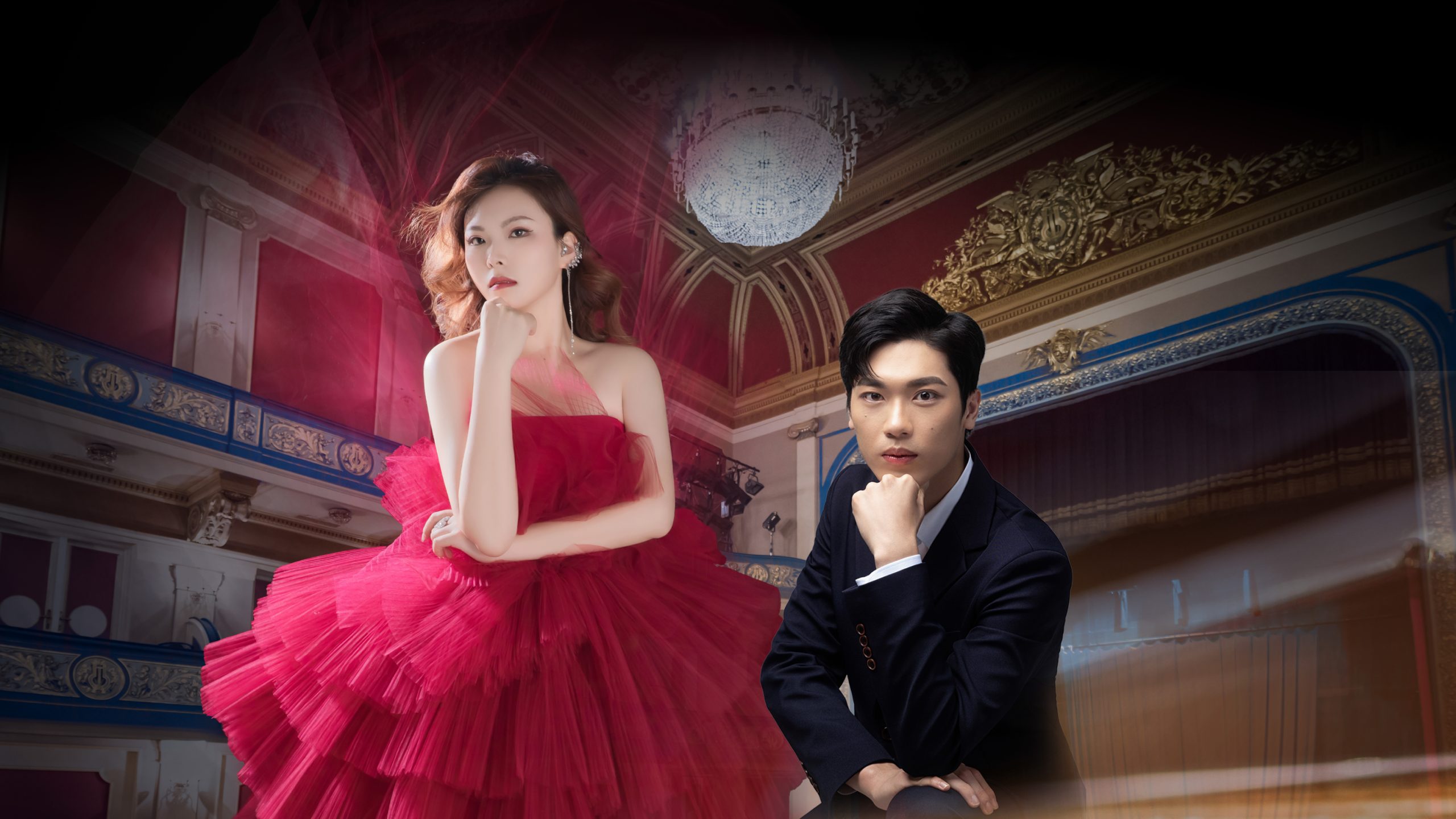
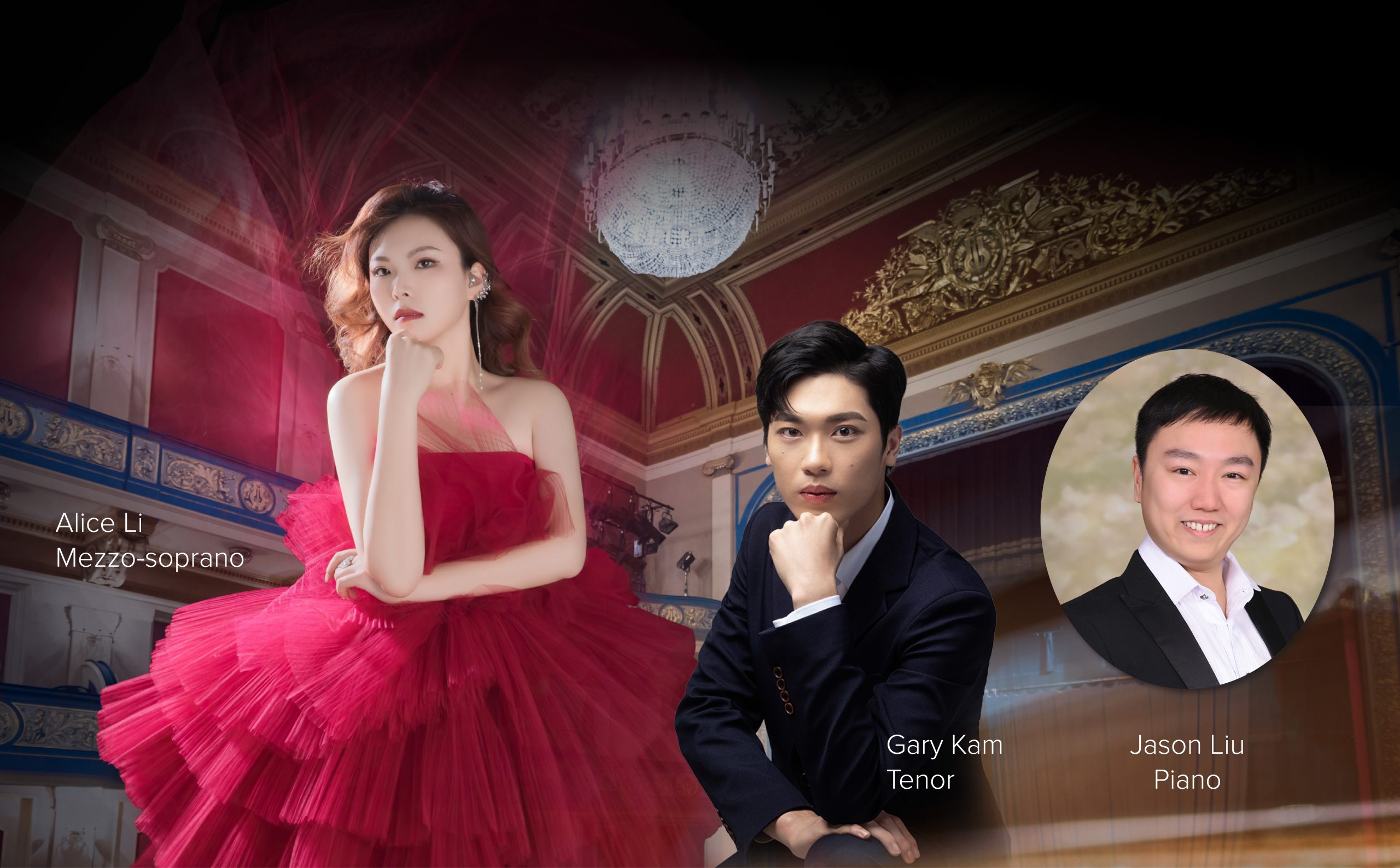
Come and hear some of the greatest coloratura arias ever composed during this extraordinary period. You’ll experience a magnificent programme performed by the distinguished trio of Alice Li, Gary Kam and Jason Liu. It’s going to be an evening of vocal brilliance and operatic elegance spotlighting the best of the Golden Age of Bel Canto. Watch for details of this unmissable event.
Programme Notes
In the early 19th century, a new vocal ideal emerged from Italy that would shape singing for generations: bel canto, or “beautiful singing.” Defi ned by purity of tone, fl uid phrasing, and effortless agility, it transformed opera into a showcase of both technical brilliance and expressive nuance. This programme explores that legacy across Italian opera, French mélodie, and art song, revealing how composers across Europe embraced and adapted its ideals.
At the heart of bel canto lies Rossini, whose music balances elegance with dazzling virtuosity. The duet “Un soave non so che” from La Cenerentola captures the style’s lightness and charm, while “Non più mesta” demands sparkling agility and precision. Donizetti’s “Una furtiva lagrima” offers a more introspective contrast, unfolding in long, seamless lines that heighten its emotional intimacy through subtle control rather than overt display.
The programme also turns to the refi ned world of song. Donaudy’s “O del mio amato ben” exemplifi es lyrical warmth, while French composers such as Berlioz, Duparc, and Poulenc bring colour and atmosphere to the voice in different ways—from the dreamlike delicacy of “Le spectre de la rose” to the rich harmonic depth of “Chanson triste” and the nostalgic simplicity of “Les chemins de l’amour.” Bizet’s “Habanera,” by contrast, introduces a theatrical, sensuous character, where vocal colour and rhythm take centre stage.
In the second half, the expressive range broadens further, from the lush duet “Mon coeur s’ouvre à ta voix” to the poised elegance of Lalo and the lyrical expansiveness of Beethoven’s “Adelaide.” The inclusion of “La Vie en rose” and the Chinese song 《春花秋月何時了》 (When will Spring Flowers and Autumn Moon ever end?) refl ects the enduring global appeal of expressive melody, while Lehár’s “Lippen schweigen” closes the programme with graceful charm. Together, these works trace how the spirit of bel canto—its beauty, balance, and expressive clarity— continues to resonate far beyond its origins.
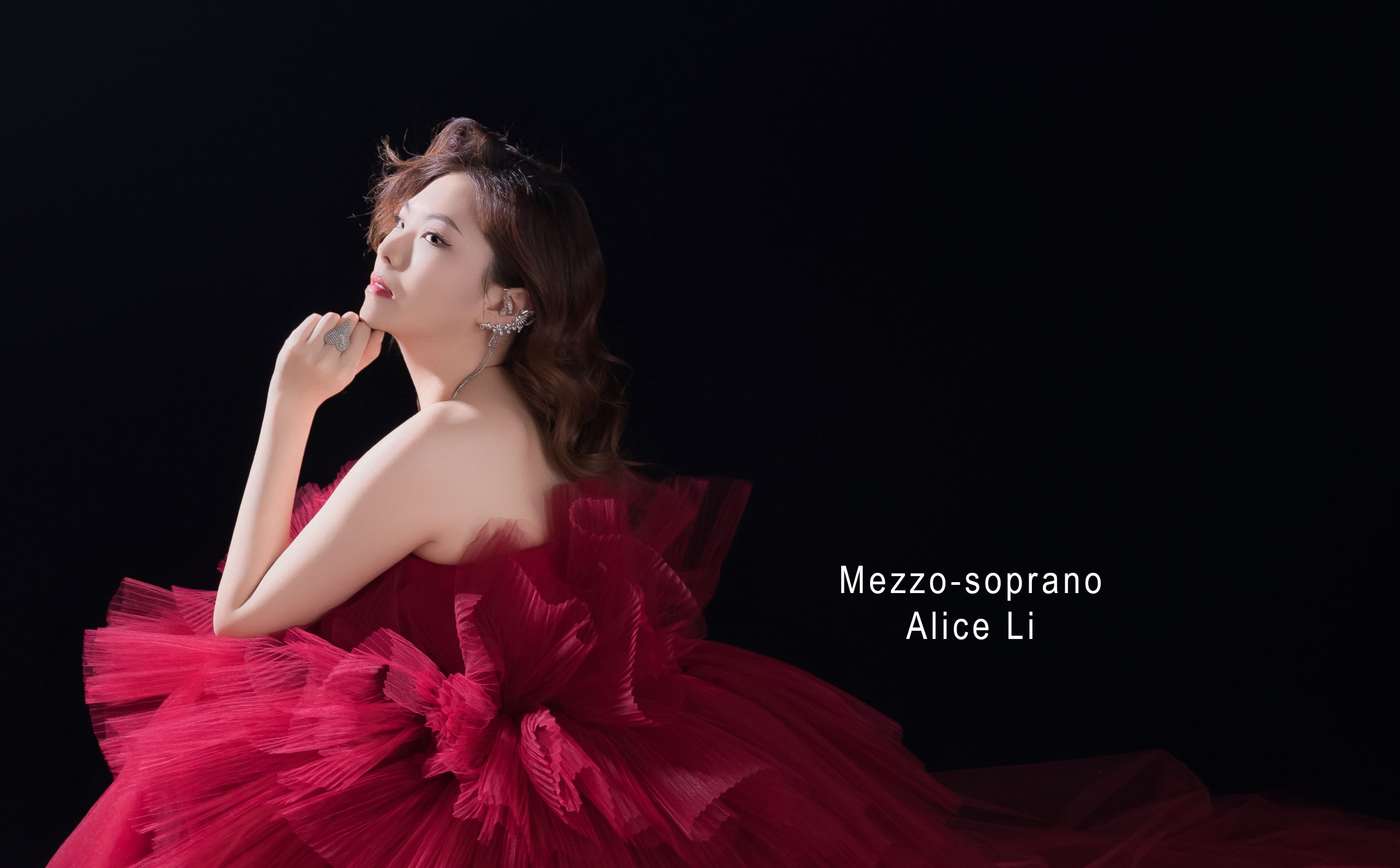
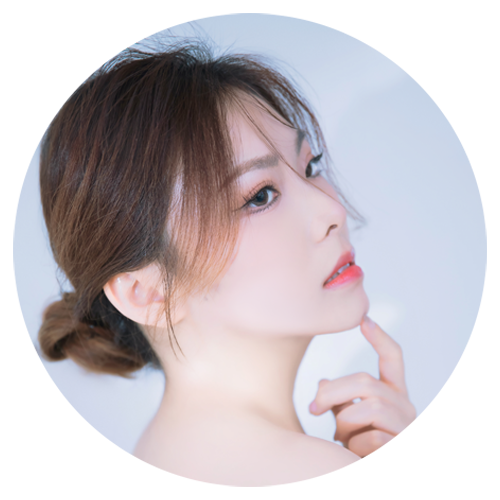
Mezzo-soprano
Alice Li Zixian
Mezzo-soprano Alice Li Zixian graduated with a Master’s degree from The Hong Kong Academy for Performing Arts, where she studied under the tutelage of Professor Nancy Yuen. She holds a Bachelor’s degree in Opera Performance from the Central Conservatory of Music in Beijing, having previously studied Musical Theatre at the Shanghai Conservatory of Music. A dedicated educator and performer, Alice is currently a voice teacher at the HKAPA Junior Programme.
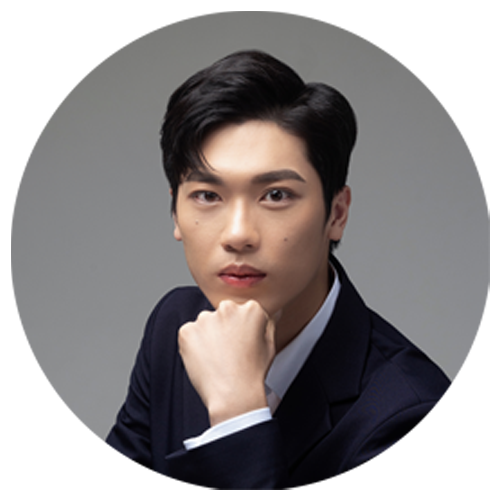
Tenor
Gary Kam
Gary KAM Ka-Yiu graduated from The Hong Kong Academy for Performing Arts, where he studied under Alex Tam. He has also received vocal training from Chan Siu Kwan and Caleb Woo. During his time at the Academy, he was awarded the Michael Rippon Memorial Scholarship (2024/25) and the Society of APA Merit Awards for Local Students (2025/26). He has worked in masterclasses with Benjamin Bernheim, Sumi Jo, and Yi Li, and has participated in masterclasses with Christian Immler and John Thomasson at the International Summer Academy of Mozarteum University.

Piano
Jason Liu
Jason Liu is an active collaborative pianist, conductor and composer based in Hong Kong. He is a faculty accompanist and teaches Junior Musicianship at the Hong Kong Academy for Performing Arts, where he had attained his Master of Music with distinction. Liu attained the Fellowship Diploma of Trinity College London (FTCL) for piano at the age of 13, and subsequently the Licentiate Diploma (LTCL) for cello.
Dinner Menu
Join us for “The Beautiful Singing that Changed the World”
at the LRC on 10 August 2026.
APPETIZER
(V) GRILLED ASPARAGUS
(Potato Foam, Crispy Sage, Thyme Oil)
Or
PAN-SEARED SALT COD
(Pine Nuts, Tomato, Capers, Cauliflower Puree)
Main Course
ROASTED COBIA
(Stewed Bell Pepper, Chorizo, Garlic)
Or
GRILLED LAMB RACK
(Roast Potato, Asparagus, Light Peppercorn Cream Sauce)
Or
(V) RICOTTA CHEESE RAVIOLI
(Crispy Broccolini, Tomato Basic Sauce)
Dessert
SEASONAL FRESH FRUIT PLATTER
or
PISTACHIO CHOCOLATE BAR
(Popped Rice, Mix Berries Forest, Raspberry Coulis)
A Vocal Celebration of Love and Longing
Date & Time | 88 September 2026, Tue, 7:00p.m.
Venue | Ladies’ Recreation Club – Function and Dining Rooms
Ticket | Concert Only $280; Concert & Dinner $680
Programme
Berlioz: Les Nuits d’été Berlioz
“Villanelle”
“Le Spectre de la rose”
“Au cimetière: Clair de lune”
Schubert/ Liszt: Der Müller und der Bach
Duparc: “Chanson triste”
Puccini: “Donde Lieta Usci” from La Bohème
Bizet: “Je dis que rien ne m’épouvante” from Carmen
-Intermission-
Strauss: “Presentation of the Rose” from Der Rosenkavalier
Saint-Saëns: “Mon Coeur s’ouvre à ta voix” from Samson et Delilah
Frank Bridge: “Love went a-riding”
Antonín Dvořák: “Měsíčku na nebi hlubokém” from Rusalka
Bellini: “Ah, non credea mirarti” from La Sonnambula
Granados: El Pelele
Trenet/ Weissenberg: En Avril, à Paris
Programme Introduction
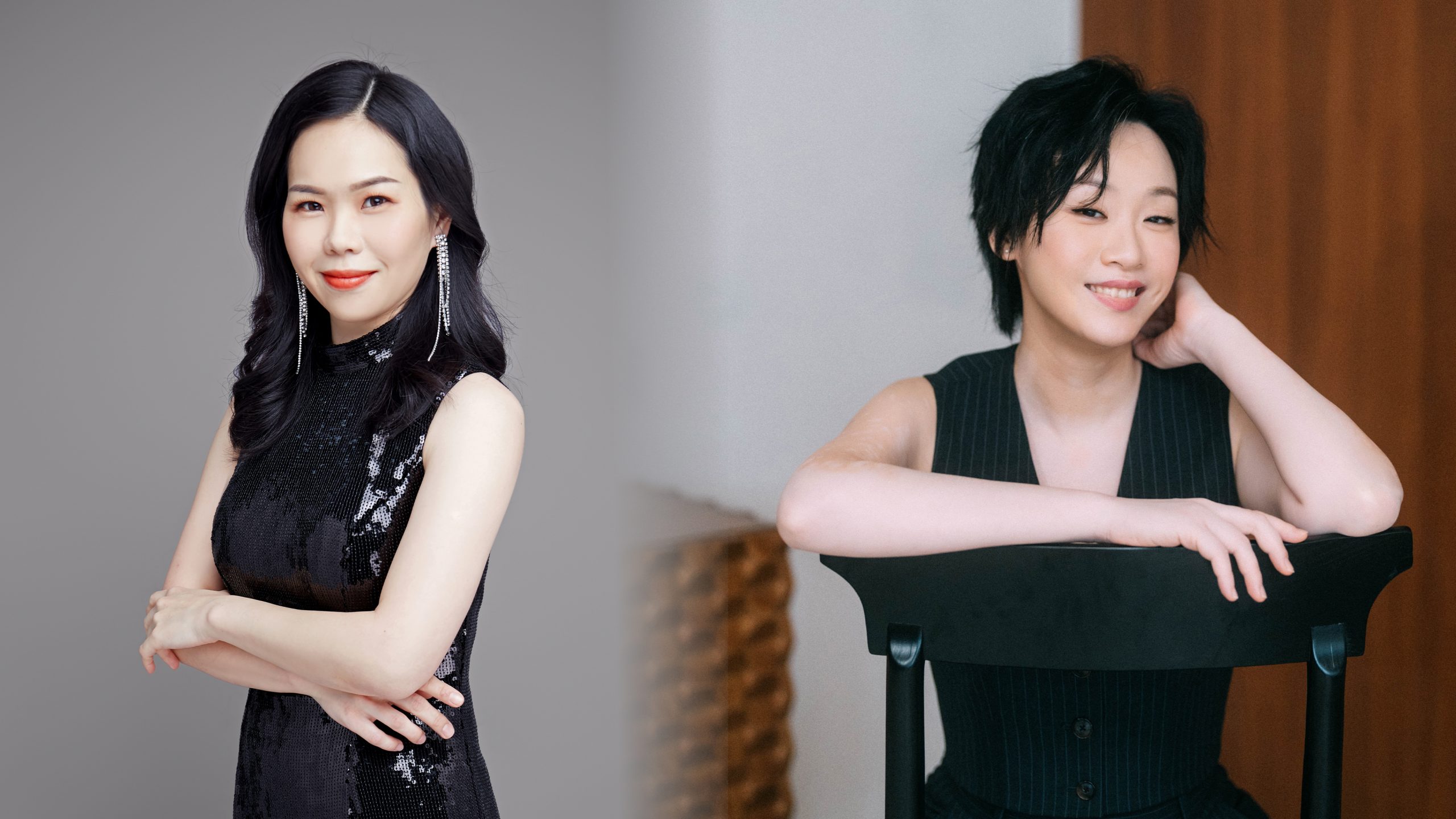
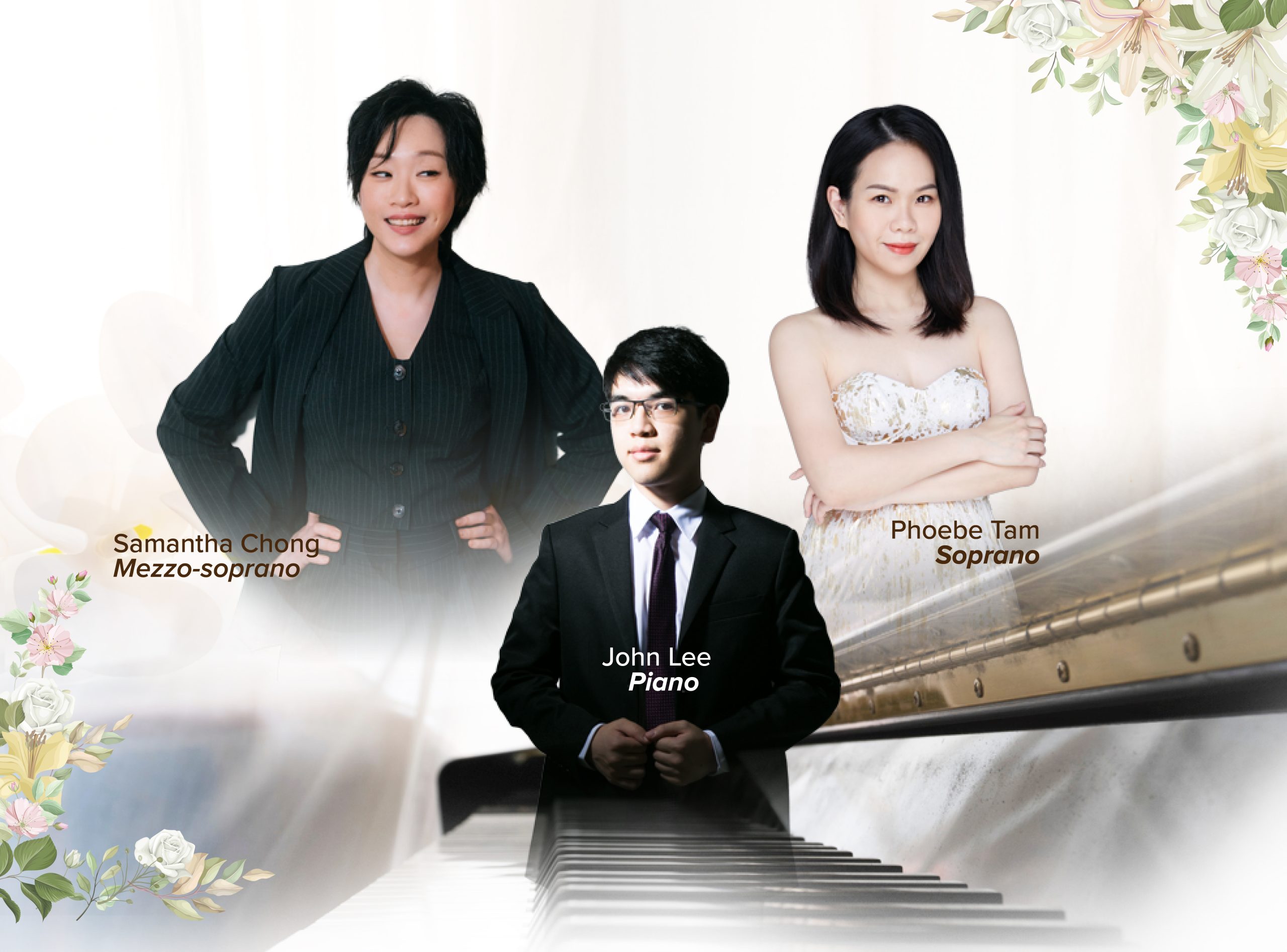
Love takes many forms in this evocative evening of song at The Ladies’ Recreation Club, where mezzo-soprano Samantha Chong, soprano Phoebe Tam and pianist John Lee reunite for a much-anticipated return to the LRC stage. Following their 50th anniversary collaboration, Phoebe Tam and John Lee join forces once again with Samantha Chong in a brand-new programme tracing love from moonlit longing and youthful innocence to heartbreak, desire and remembrance.
From Berlioz’s shimmering Les Nuits d’été to the dreamlike depths of Dvořák’s Rusalka and Strauss’s Der Rosenkavalier, the programme journeys through opera and song in French, German, Czech and Spanish hues. With beloved arias and art songs by Bizet, Bellini, Puccini, Duparc, Granados, Bridge, Schubert/Liszt and Trenet/Weissenberg, this concert offers a richly coloured portrait of love in all its beauty, mystery and pain.
Programme Notes
Love takes many forms in this evocative evening of song, from moonlit longing and playful desire to heartbreak, tenderness and memory. At The Ladies’ Recreation Club on 8 September, mezzo-soprano Samantha Chong, soprano Phoebe Tam and pianist John Lee return with a programme that celebrates the voice as the most intimate storyteller in music.
Berlioz’s Les Nuits d’été opens the evening with four songs that move from the spring freshness of “Villanelle” to the dreamlike beauty of “Le Spectre de la rose”, the nocturnal sorrow of “Au cimetière: Clair de lune” and the restless farewell of “L’Île inconnue”. In these songs, love is never still: it glows, fades, remembers and slips away, carried by Berlioz’s delicate colours and finely shaded emotions.
The opera arias that follow reveal love in its most charged and immediate forms. Dvořák’s Měsíčkuna nebi hlubokém from Rusalka is a prayer to the moon, wistful and ardent; Strauss’s Presentation of the Rose from Der Rosenkavalier shimmers with courtly grace; and Bizet’s Je dis que rien ne m’épouvante from Carmen meets fear with courage. Bellini’s Ah, non credea mirarti from La Sonnambula and Puccini’s Donde lieta uscì from La Bohème bring the programme into the realms of innocence lost and love tenderly released.
Around these familiar operatic pages, the art songs by Duparc, Granados, Frank Bridge, Schubert/ Liszt and Trenet/Weissenberg broaden the emotional canvas. Their settings move from melancholy and nocturnal reverie to playful wit and nostalgic charm, giving the programme a concert-wide arc of longing and affection. Together, these works form a richly coloured portrait of love in all its beauty, mystery and pain.
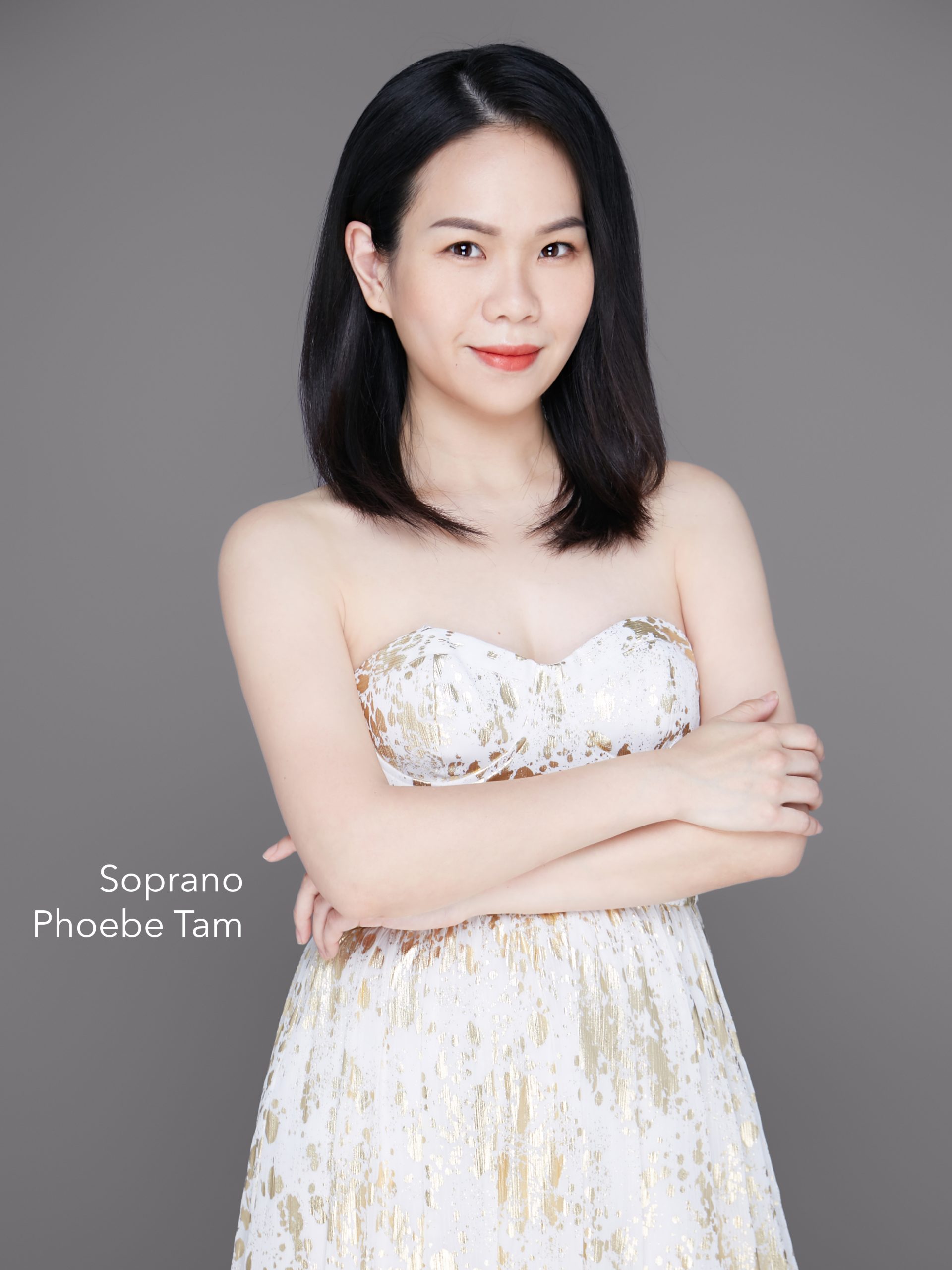
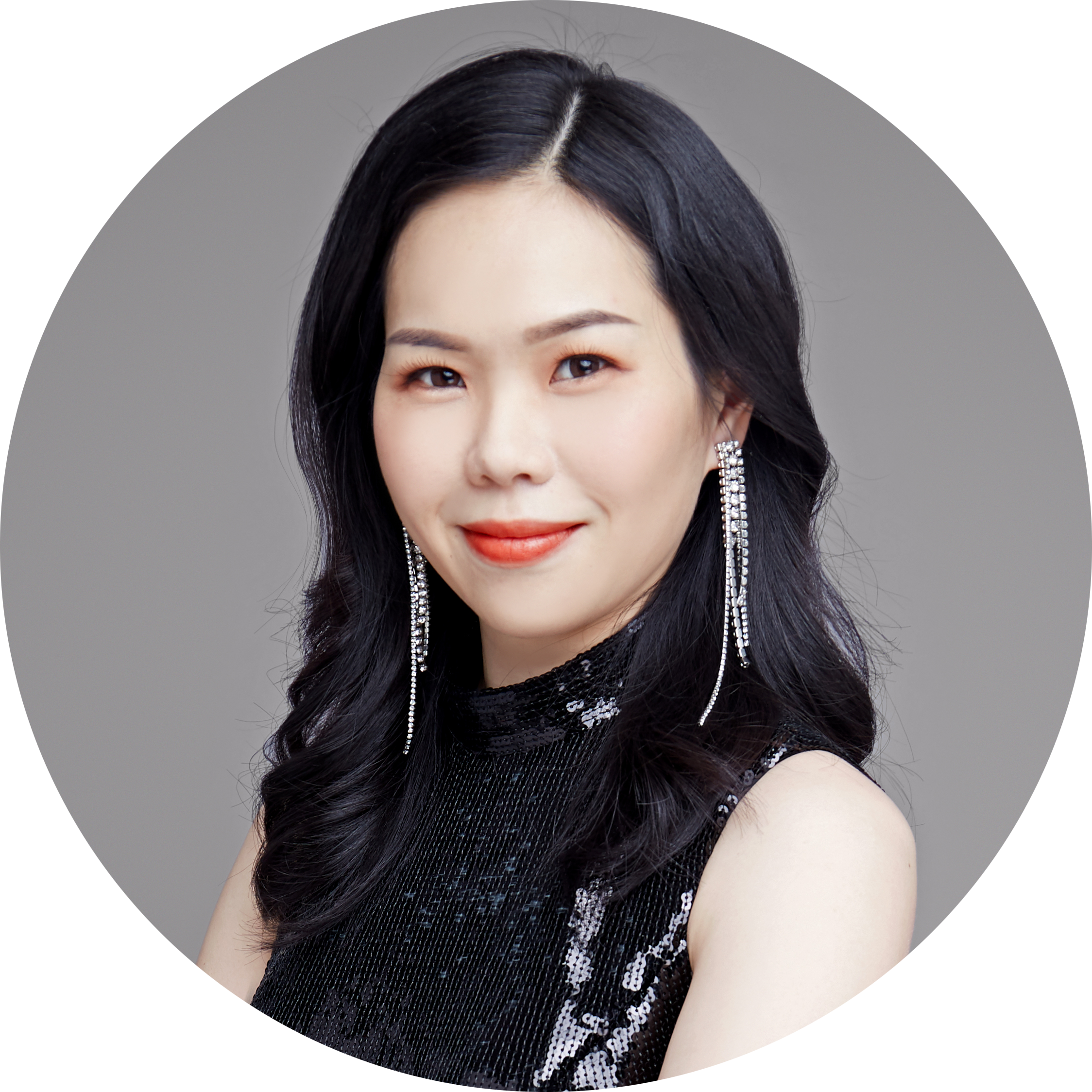
Soprano
Phoebe Tam
Soprano Phoebe Tam, a graduate of the Hong Kong Academy for Performing Arts and the Mannes College of Music under a full Hong Kong Jockey Club scholarship, was a Jockey Club Opera Hong Kong Young Artist. A finalist in international competitions, she has performed leading roles from Le nozze di Figaro to La traviata and La bohème, and regularly appears as a concert and oratorio soloist.
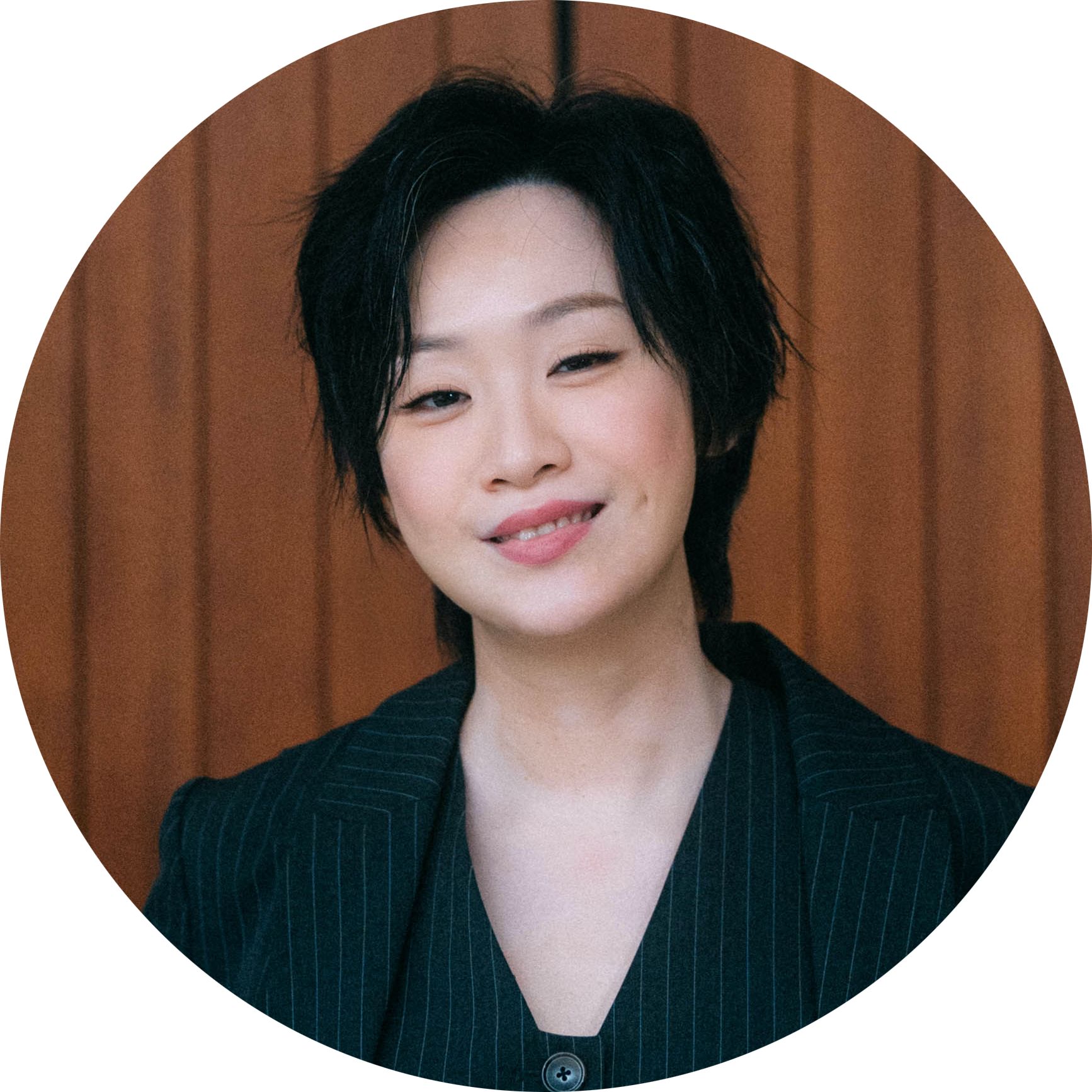
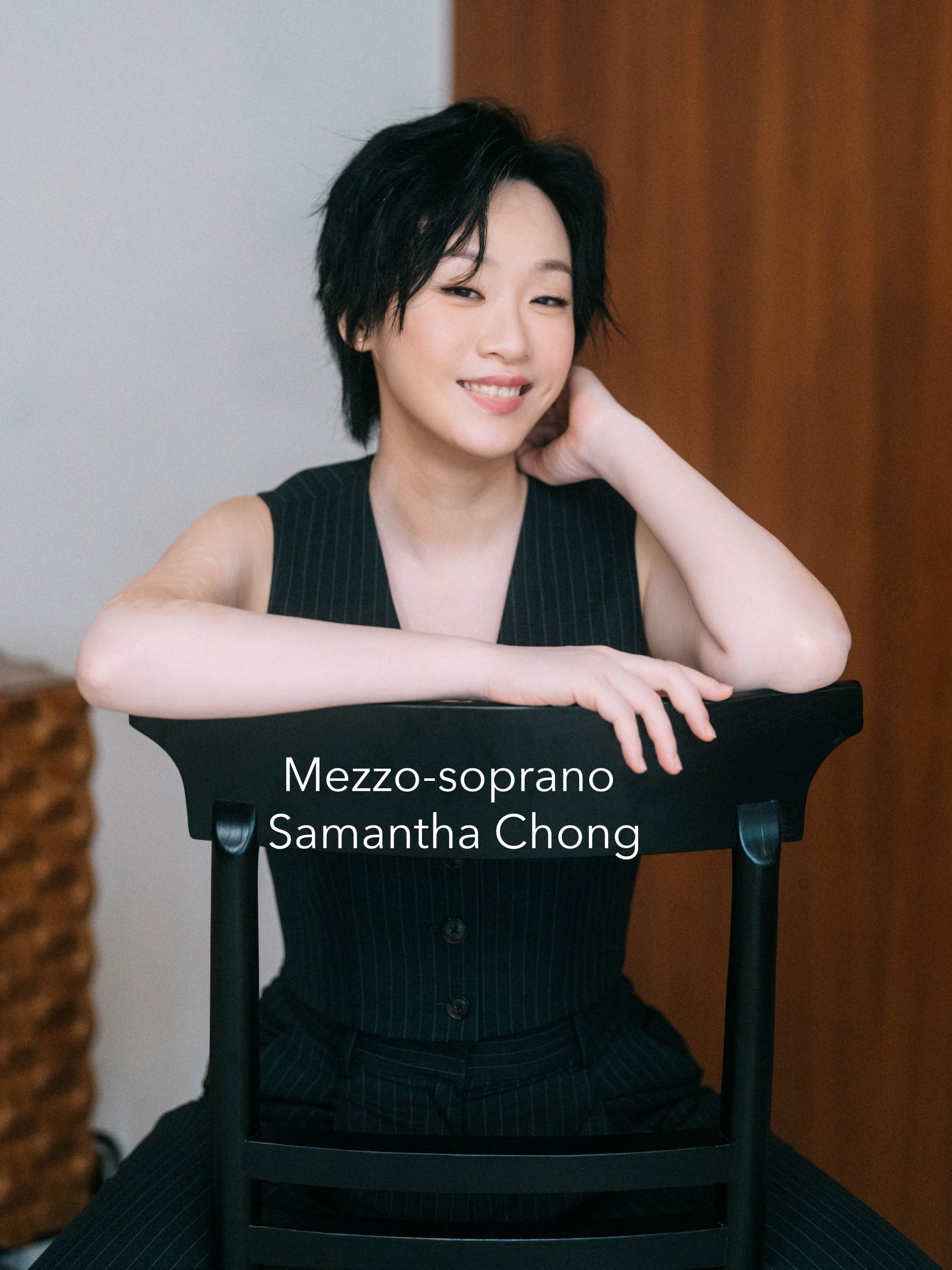
Mezzo-soprano
Samantha Chong
Mezzo-soprano Samantha Chong, winner of the inaugural ASEAN Vocal Competition and Malaysia’s 41st National Singing Competition, launched her career with the Hong Kong Philharmonic, Opera Hong Kong, Hong Kong Grand Opera and Musica Viva. She has sung roles such as Carmen, Rosina, Suzuki and Cherubino, and appeared in works from Madama Butterfly to Philip Glass’s Book of Longing. A Master of Music graduate of HKAPA, she is now on its vocal faculty.

Piano
John Lee
Hailed as “a young but immense pianist” displaying “his absolute control and unwavering technique, combined with elegance, natural phrasing” (La Verdad, críticas de música), John Lee quickly won over audience and critics alike over his début performance with the Murcia Symphony Orchestra (ÖSRM) in Spain, which was described as “this performance even surpasses his previous ones’.
Dinner Menu
Join us for “A Vocal Celebration of Love and Longing“
at the LRC on 8 September 2026.
APPETIZER
(V) BURRATA CHEESE
(Basil Pesto, Semi-Dry Cherry Tomato, Micro Greens)
Or
SMOKED EEL
(Frisee Salad, Croutons, Apricot, Crispy Bacon, Pommary Vinaigrette)
Main Course
PAN-SEARED SEABASS
(Fregola Sarda, Tomato, Capers, Chimichurri Sauce)
Or
ROAST PORK BELLY
(Pineapple Cumberland, Celeriac Puree, Port Wine Sauce)
Or
(V) BARLEY RISOTTO
(Mushroom, Spinach, Ricotta Cheese)
Dessert
Seasonal Fresh Fruit Platter
or
PEAR BUTTER ALMOND TORTE
(Sago Cream, Grilled Pear, Vanilla Sauce)
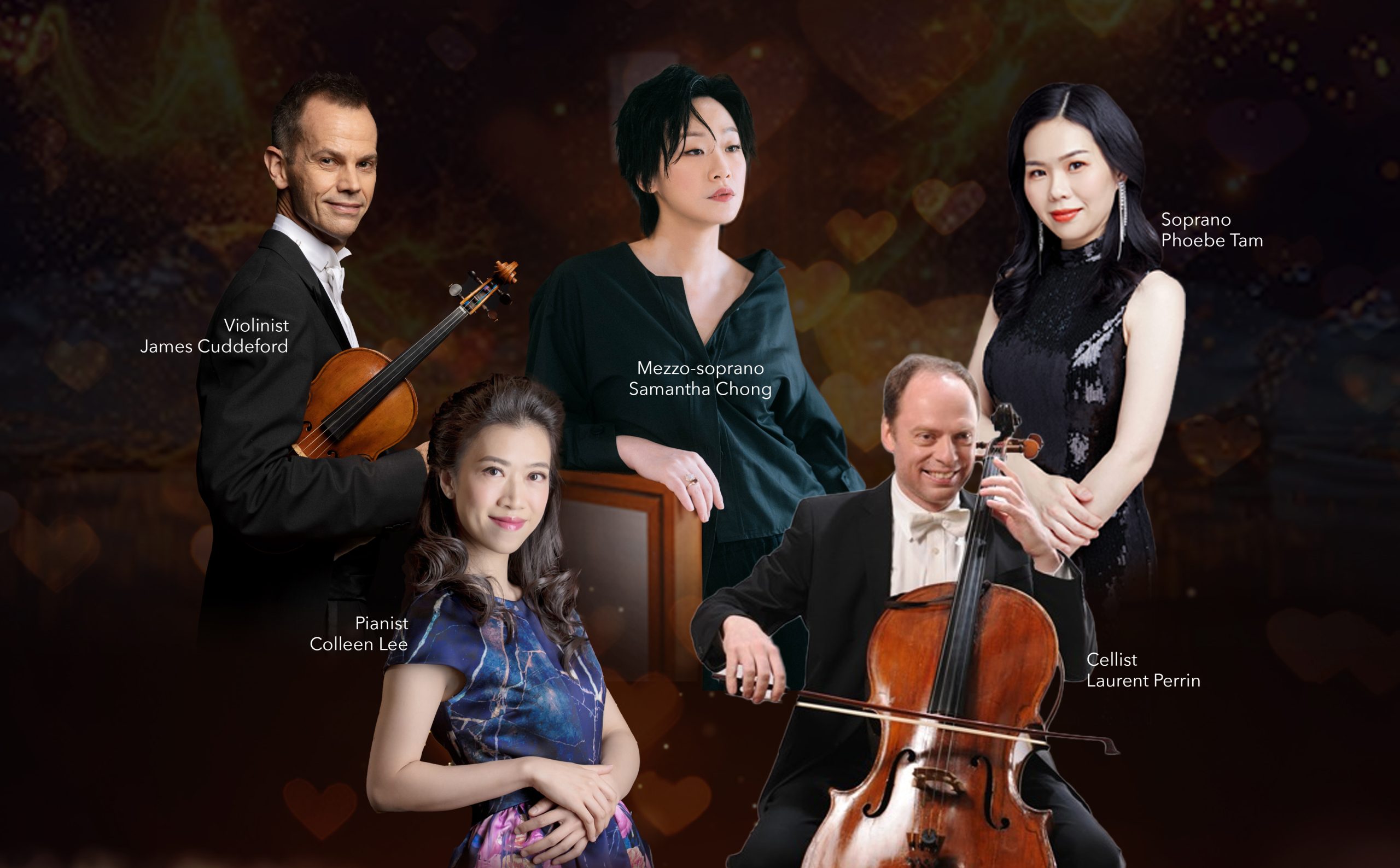
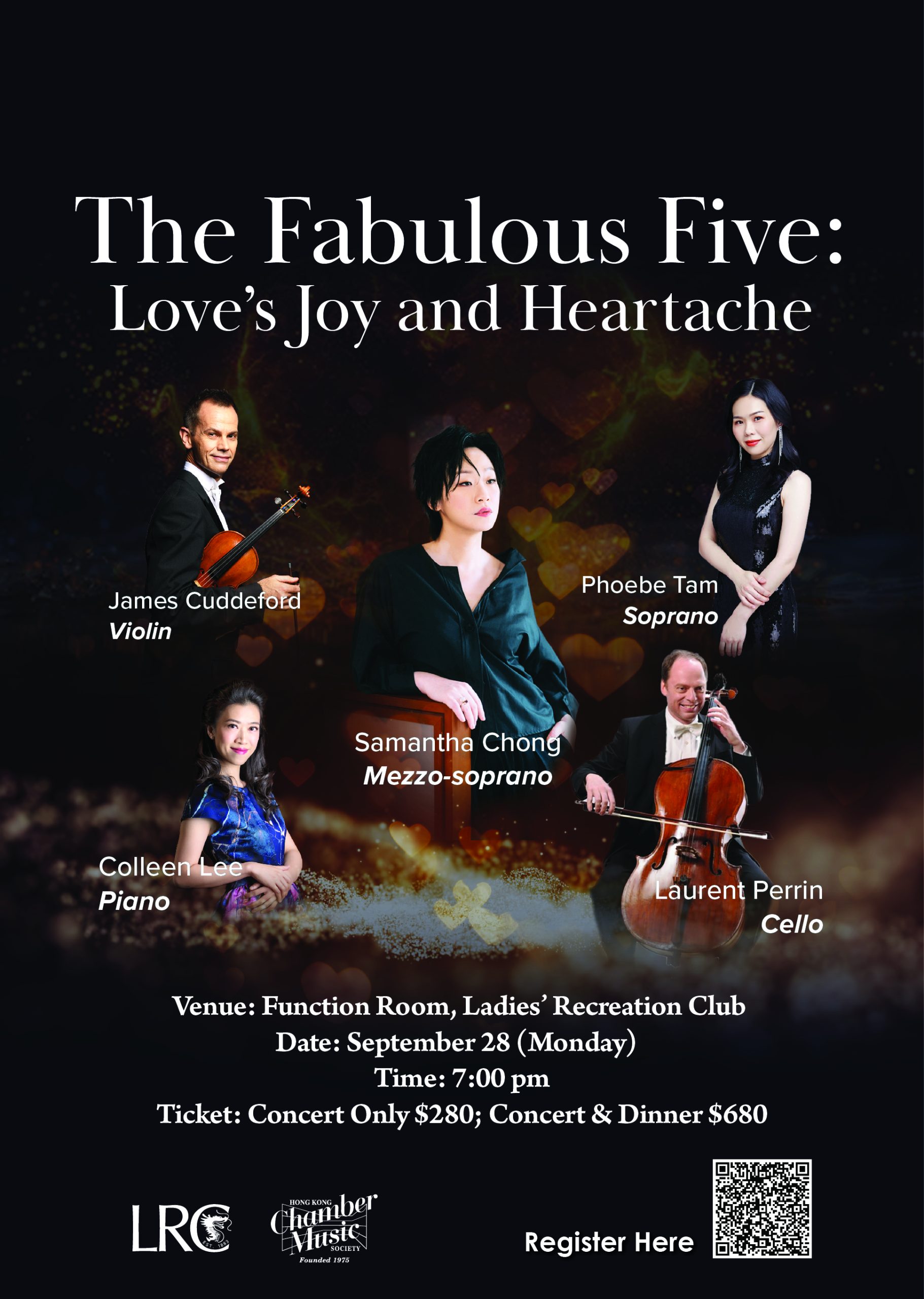
The Fabulous Five: Love’s Joy and Heartache
Date & Time | 28 September 2026, Mon, 7:00p.m.
Venue | Ladies’ Recreation Club – Function and Dining Rooms
Ticket | Concert Only $280; Concert & Dinner $680
Programme
Massenet: Cendrillon, “Enfin, je suis ici”, “Cœur sans amour, printemps sans rose”
Bizet: Carmen, “L’amour est un oiseau rebelle” (Habanera), “Près des remparts de Séville” (Seguidilla)
Puccini: Madama Butterfly, “Flower Duet”, “Un bel dì vedremo”
Puccini: La bohème, “Quando m’en vo’”, “Sì, mi chiamano Mimì”
~ Intermission ~
Shostakovich: Seven Romances on Poems of Alexander Blok, Op. 127 – Nos. 1, 3, 7
Schubert: Notturno in E‑flat major, Op. 148, D 897
Mozart: Piano Trio in B‑flat major, K. 502
Programme Introduction
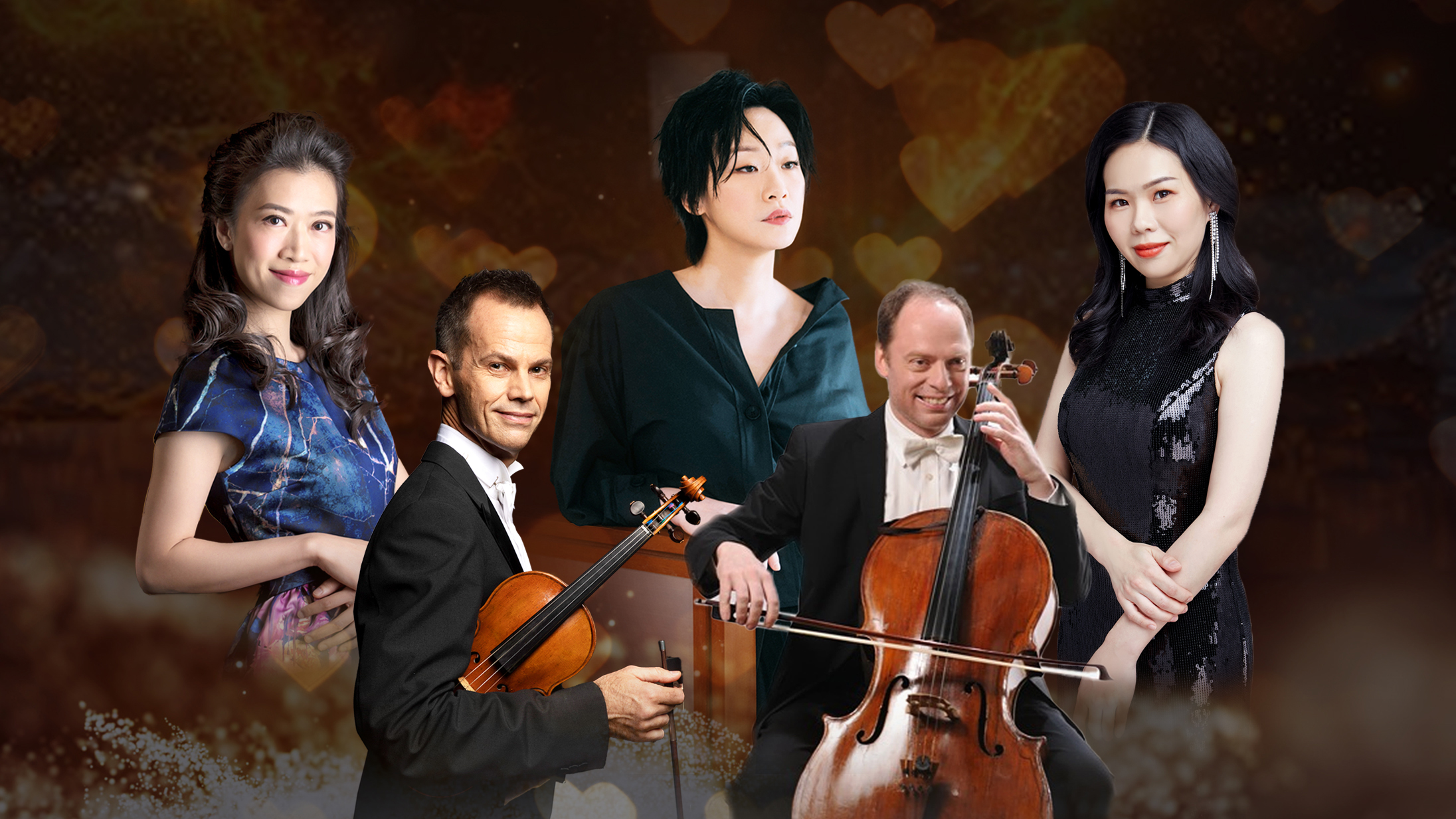
Hong Kong’s leading vocalists Samantha Chong (mezzo‑soprano) and Phoebe Tam (soprano) join Sinfonietta musicians Laurent Perrin (cello), James Cuddeford (violin), and Colleen Lee (piano) for their first collaboration. The programme celebrates opera’s timeless love stories, from Massenet’s Cendrillon and Bizet’s Carmen to Puccini’s Madama Butterfly and La Bohème, alongside Shostakovich’s Seven Romances on Poems of Alexander Blok and Schubert’s luminous Notturno.
Programme Notes
A vivid tour of love in opera
From the enchantment of Massenet’s Cendrillon and the dangerous sensuality of Bizet’s Carmen to Puccini’s heartbreak in Madama Butterfly and La Bohème. Stripped of spectacle, the focus falls on the voice—confiding, seducing, dreaming and despairing—so that each aria becomes a miniature drama and every melody an unforgettable confession of the heart chamber‑scale “love letters” in sound.
Shostakovich: Seven Romances on Poems of Alexander Blok, Op. 127 (Nos. 1, 3, 7)
Shostakovich’s late song cycle sets Blok’s mystical poems for voice, violin, cello and piano in ever changing combinations. “Song of Ophelia” pairs voice and cello in sparse, falling lines that evoke innocence on the brink of collapse. “We Were Together” adds piano to create a tender barcarolle, a rocking memory of shared happiness shadowed by unease. In the final “Music,” all four players unite in a hymn like meditation on music as consolation, the cycle closing in quiet, hard won radiance.
Schubert: Notturno in E flat major, Op. 148, D 897
Schubert’s Notturno is a single Adagio of glowing stillness, a broad A–B–A arch shaped by a hymn-like theme for violin and cello over gently pulsing piano. A darker central episode, with tremolos and chromatic turns, briefly disturbs the calm before the opening music returns, subtly ornamented. The effect is of a night sky that clouds over and clears again, leaving a more reflective tranquility.
Mozart: Piano Trio in B flat major, K. 502
Mozart’s B flat Trio marries concerto like brilliance with conversational intimacy. The opening Allegro moderato, in sonata form, shares its themes between all three instruments. A lyrical Larghetto in E flat responds with tender string replies. The playful finale, an Allegretto rondo full of quick turns and bright modulations, brings the evening to a smiling close—classical poise after Romantic yearning, and a final reminder that chamber music is above all about shared dialogue and delight.
Soprano
Phoebe Tam
Soprano Phoebe Tam, a graduate of the Hong Kong Academy for Performing Arts and the Mannes College of Music under a full Hong Kong Jockey Club scholarship, was a Jockey Club Opera Hong Kong Young Artist. A finalist in international competitions, she has performed leading roles from Le nozze di Figaro to La traviata and La bohème, and regularly appears as a concert and oratorio soloist.
Mezzo-soprano
Samantha Chong
Mezzo-soprano Samantha Chong, winner of the inaugural ASEAN Vocal Competition and Malaysia’s 41st National Singing Competition, launched her career with the Hong Kong Philharmonic, Opera Hong Kong, Hong Kong Grand Opera and Musica Viva. She has sung roles such as Carmen, Rosina, Suzuki and Cherubino, and appeared in works from Madama Butterfly to Philip Glass’s Book of Longing. A Master of Music graduate of HKAPA, she is now on its vocal faculty.
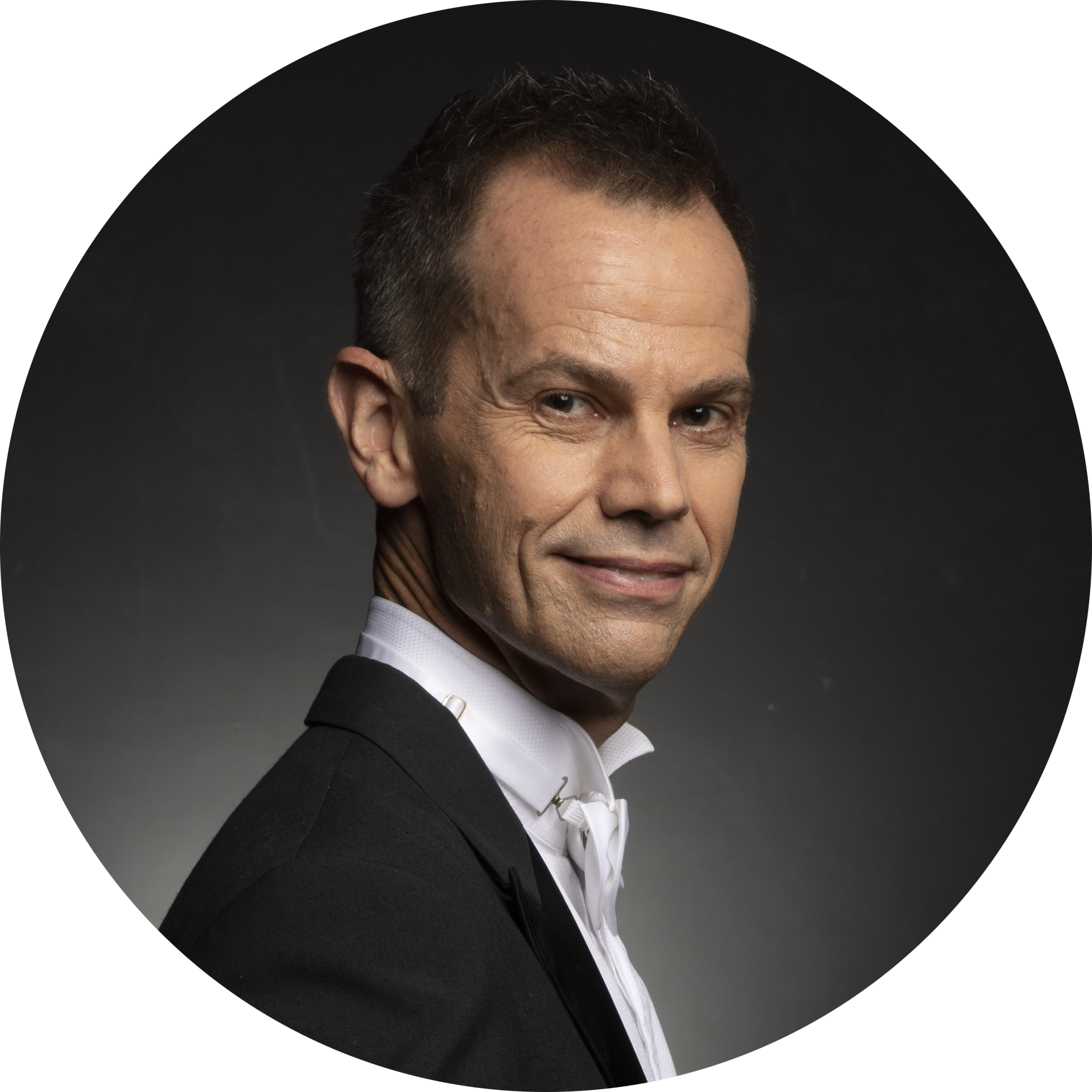
Violin
James Cuddeford
Currently Concertmaster of Hong Kong Sinfonietta, Australian violinist James Cuddeford is acclaimed as a versatile soloist, chamber musician and composer. He won a full scholarship at 12 to the Yehudi Menuhin School, later studying at the Royal Northern College of Music and winning First Prize at the 1996 Charles Hennen International Competition. A leading interpreter of contemporary music, he has premiered major works worldwide, with his compositions represented by the Australian Music Centre.
Cello
Laurent Perrin
French/Luxembourg cellist Laurent Perrin, who studied with Georges Malleck, Lluis Claret and Raphael Wallfisch, has collaborated with György Sebök and quartets including Takacs, Borodin and Amadeus. Assistant Principal Cello of Hong Kong Sinfonietta, he teaches at HKAPA, Chinese University and Baptist University, and co-founded the RTHK String Quartet and RTHK Chamber Soloists.
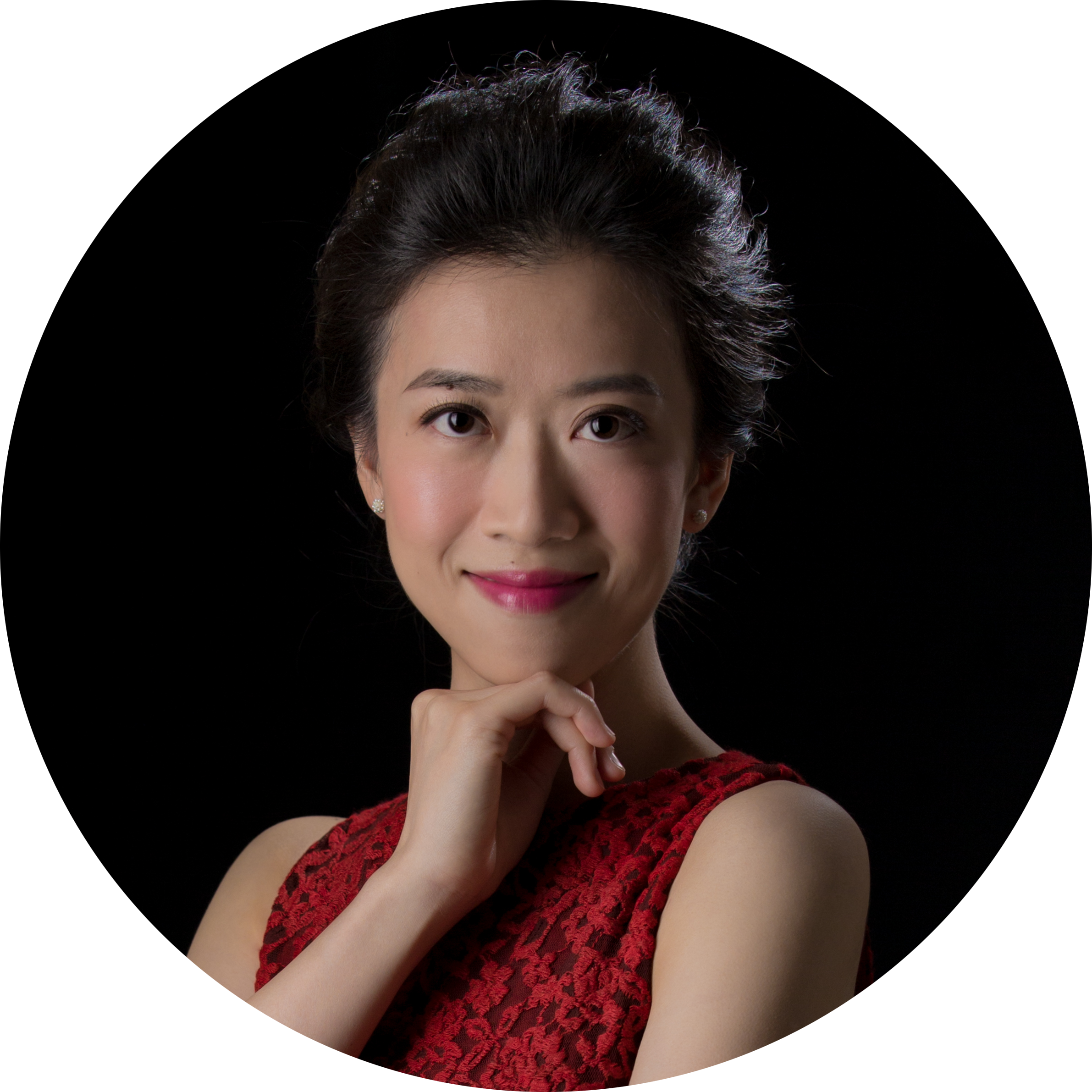
Piano
Colleen Lee
Pianist Colleen Lee, lauded for her “magnificent, heavenly touch” (Il Giornale di Vicenza), won 6th Prize at the 15th Chopin International Competition. She has performed worldwide with orchestras including Israel Philharmonic, Warsaw Philharmonic, and Hong Kong Philharmonic, and at festivals like Duszniki Chopin and New York’s Keyboard Festival. A former Hong Kong Sinfonietta Artist Associate, she excels in chamber music with artists like Ning Feng and the Shanghai Quartet.
Dinner Menu
Join us for “The Fabulous Five: Love’s Joy and Heartache“
at the LRC on 28 September 2026.
APPETIZER
SALMON GRAVLAX
(Beetroot Gel, Sour Cream, Rocket, Pinenut)
Or
(V) RATATOUILLE
(Tomato Concasse, Micro Green Herbs)
Main Course
BAKED MISO COD
(Carrot & Watermelon Radish “Spaghetti”, Lemon Butter Sauce)
Or
PAN SEARED DUCK BREAST
(Pumpkin Puree, Citrus Lentils, Black Berries Sauce)
Or
(V) GNOCCHI
(Mushroom, Spinach, Tomato Butter Sauce)
Dessert
Seasonal Fresh Fruit Platter
or
COCONUT MANGO CHEESE TARTE
(Coconut Milk Foam, Chocolate Tuiles, Mango Coulis)
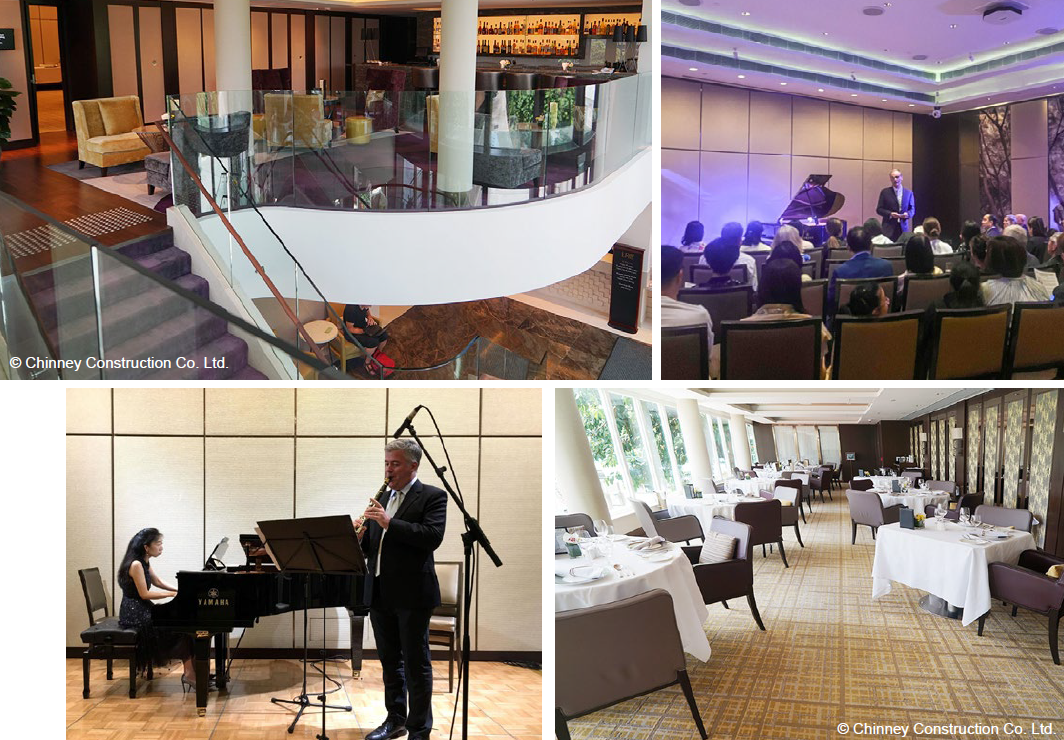
A gracious and elegant venue perfect for chamber music
Step into our exquisite venue, where charm and sophistication create the ideal setting for chamber music. This beautifully appointed room offers both comfort and aesthetic pleasure. It creates an intimate atmosphere that allows music to resonate beautifully. The warm acoustics, elegant décor, and inviting ambiance ensure a truly memorable experience for all.
Whether you’re a devoted classical music lover or discovering the magic of chamber performances, our lovely venue promises an evening of pure enchantment. Join us for an unforgettable journey through music in a space as refined as the melodies themselves.
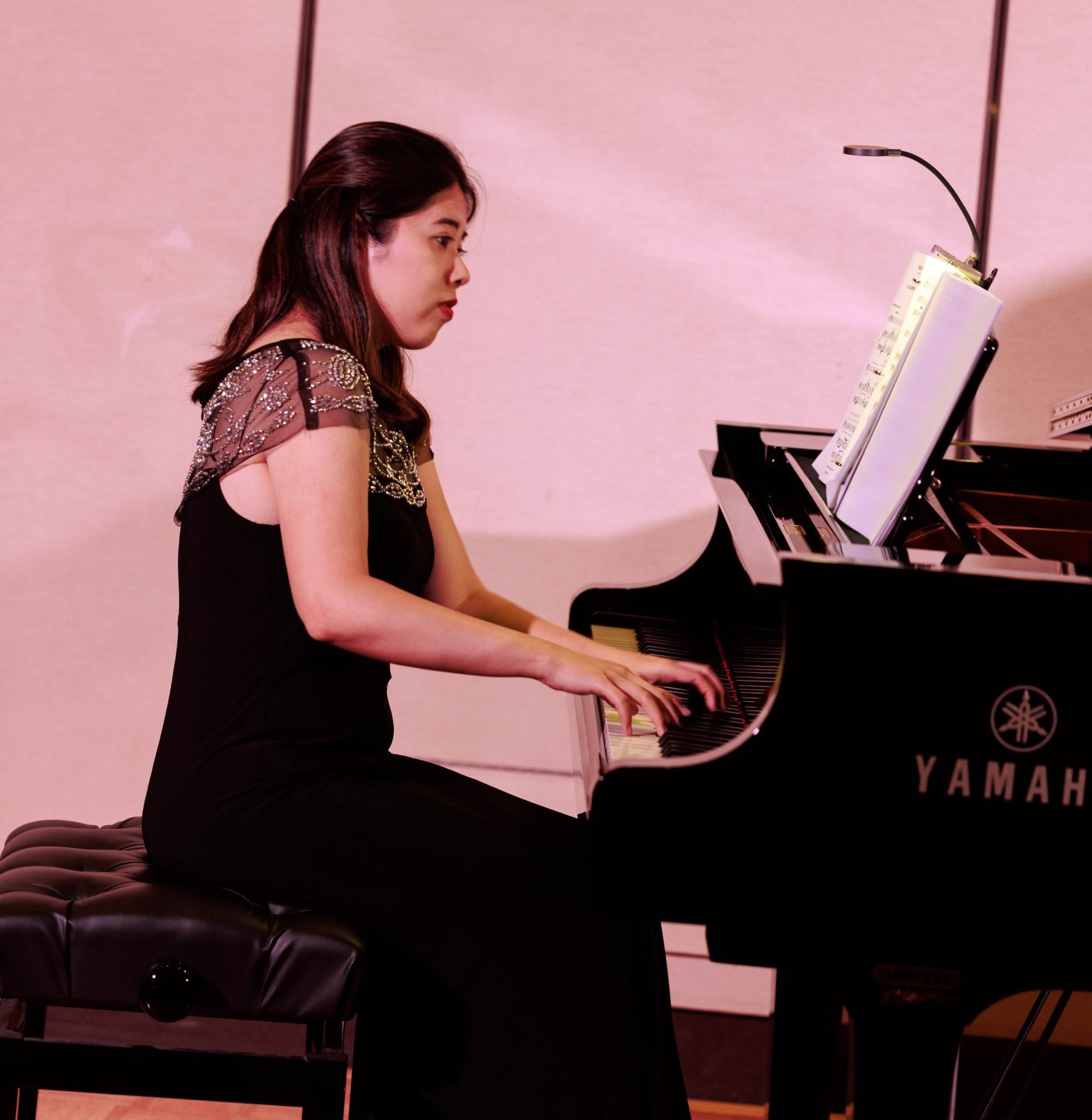
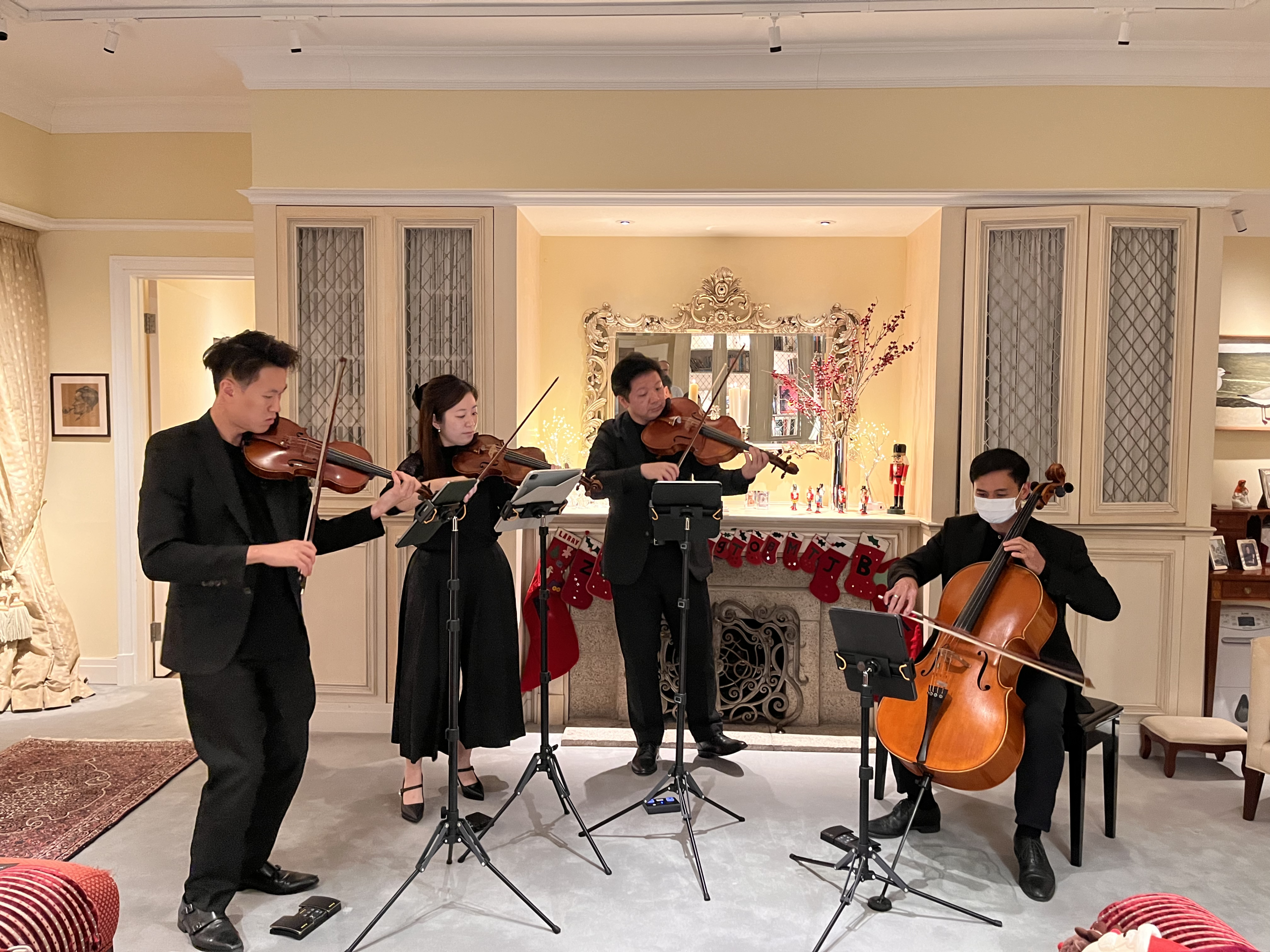
Support Us!
Your support can make a powerful difference
—help us keep the music alive by donating today!
In 2025, the Hong Kong Chamber Music Society marked a remarkable 50-year milestone, preserving the intimate salon tradition through concerts, drinks, and dinner with musicians. Loved by audiences and performers alike, it remains a truly unique part of Hong Kong’s cultural life.
Help us continue this legacy by becoming a member for just HK$1,000 a year. Enjoy exclusive benefits, support our musical journey, and help shape the future of chamber music.
Online Donation
Click the button below to fill in the donation form
For other forms of support
Call us at 2579 5533/ 2536 9631
or Whatsapp us at 5592 9010
or email us at program@fama.org.hk
Screening Venues
Emperor Cinemas (Entertainment Building)
3/F & 4/F, Entertainment Building, 30 Queen’s Road Central, Central, Hong Kong
MCL Cinemas (K11 Art House)
Level 4, K11 MUSEA, Victoria Dockside, 18 Salisbury Road, Tsim Sha Tsui, Hong Kong
MOViE MOViE Pacific Place
Level 1, Pacific Place, 88 Queensway Road, Hong Kong Island
Premiere Elements
2/F, Elements, 1 Austin Road West, Kowloon, Hong Kong
Ladies’ Recreation Club
10 Old Peak Road, Mid-Levels, Hong Kong Island
(*For screenings at the Ladies’ Recreation Club (LRC), please call or Whatsapp us for more information.)
Ticketing Information
Ticket Prices
Title
Adult*
Senior/ Student
HKU Student
La Sonnambula
La Bohème
Andrea Chénier
I Puritani
Carmen
Madama Butterfly
Cinderella
The Magic Flute
El Último Sueño de Frida y Diego
HK$290
HK$230
HK$218
Arabella
Tristan und Isolde
Eugene Onegin
HK$350
HK$290
HK$263
*Ticket Discounts
20% Discount
MCL Members, bcinephile & MOViE MOViE Membership
15% Discount
Premiere Elements Membership
10% Discount
Emperor Membership
Hong Kong Arts Administrators Association Membership
Follow US:
Inquiry (telephone & whatsapp):
5592 2901/ 2579 5533
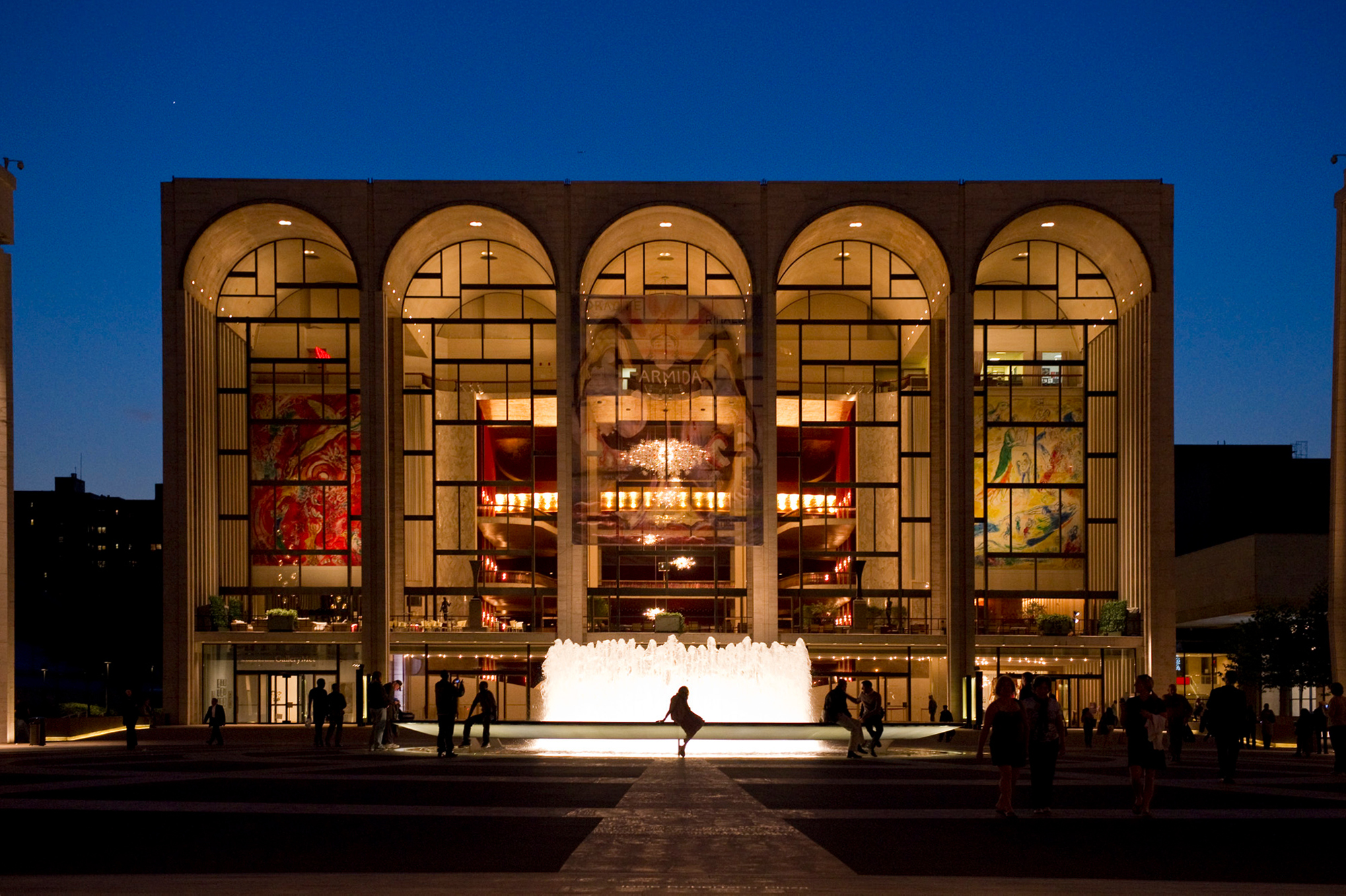
About the Foundation for the Arts and Music in Asia: Bringing Vocal Music to Live Stages and Cinema Screens
FAMA was formed to increase the awareness of classical vocal music in Asia and to encourage participation in its promotion by individuals and both private and civic groups. Under the leadership of its Chairman, Mr. Laurence Scofield, who introduced The Met: Live in HD to the Hong Kong region in 2009, the Foundation works with governmental agencies, private individuals, and groups on a wide range of activities, including the Metropolitan Opera Hong Kong broadcasts of live performances, and promotes community outreach to raise awareness of vocal music. The Foundation also supports selected individuals in the pursuit of their studies and aims to be a supportive advocate for audience and financial development for other arts organisations.
Presented by

Cinema
Partners



Supported by


The Metropolitan Opera House’s grand auditorium —home to the world’s greatest voices